In a nutshell
- 🧪 The quiet star is copper peptides—notably GHK‑Cu and Copper Tripeptide‑1—linked to improved visible firmness, smoother texture, and a camera‑ready finish without irritation or downtime.
- 🎬 A‑list artists prefer it because it layers cleanly under makeup, settles fast, resists hot lights, and helps reduce post‑flight puffiness, delivering a calm, cooperative base on tight schedules.
- 🔎 Label savvy: look for GHK‑Cu or Copper Tripeptide‑1; blue serums can hint but don’t prove presence. Apply on clean skin before heavier creams and SPF; patch test and introduce new actives one at a time.
- 📊 Evidence vs. hype: research is supportive but incremental; expect weeks, not days. Risks are usually from fragrance/preservatives, not the peptide; avoid broken skin and don’t confuse topicals with injectables.
- 🧴 Pro pairing tips: combine with niacinamide, squalane, and ceramides for comfort; separate from strong acids or pure L‑ascorbic vitamin C, and alternate with retinoids if sensitive—less is more.
Beauty insiders whisper about it. Lab nerds sing its praises. Yet on red carpets and campaign shoots, the ingredient barely gets a mention. That’s the point. The most effective tricks rarely shout. In the sprawling INCI jungle, one quiet workhorse repeatedly crops up in the glossy kits of celebrity facialists and makeup artists: copper peptides. Think gentle resilience over shock-and-awe. Think camera-friendly texture, not tingling theatrics. It’s the blue-hued active hiding in plain sight inside creams and serums adored by the A‑list. Today, we trace the paper trail, decode labels, and separate cool-headed science from glittery myth.
The Secret Ingredient: Copper Peptides
Behind the innocuous names GHK‑Cu or Copper Tripeptide‑1 lies a small molecule with outsized ambitions. Peptides are short chains of amino acids; attach a copper ion and you get a signalling complex that skin recognises. In studies, copper peptides have been linked to improved appearance of firmness and smoother texture over time, not by acting like filler, but by supporting the skin’s own maintenance routines. This isn’t a stunt double for surgery; it’s a nudge for skin to perform at its best.
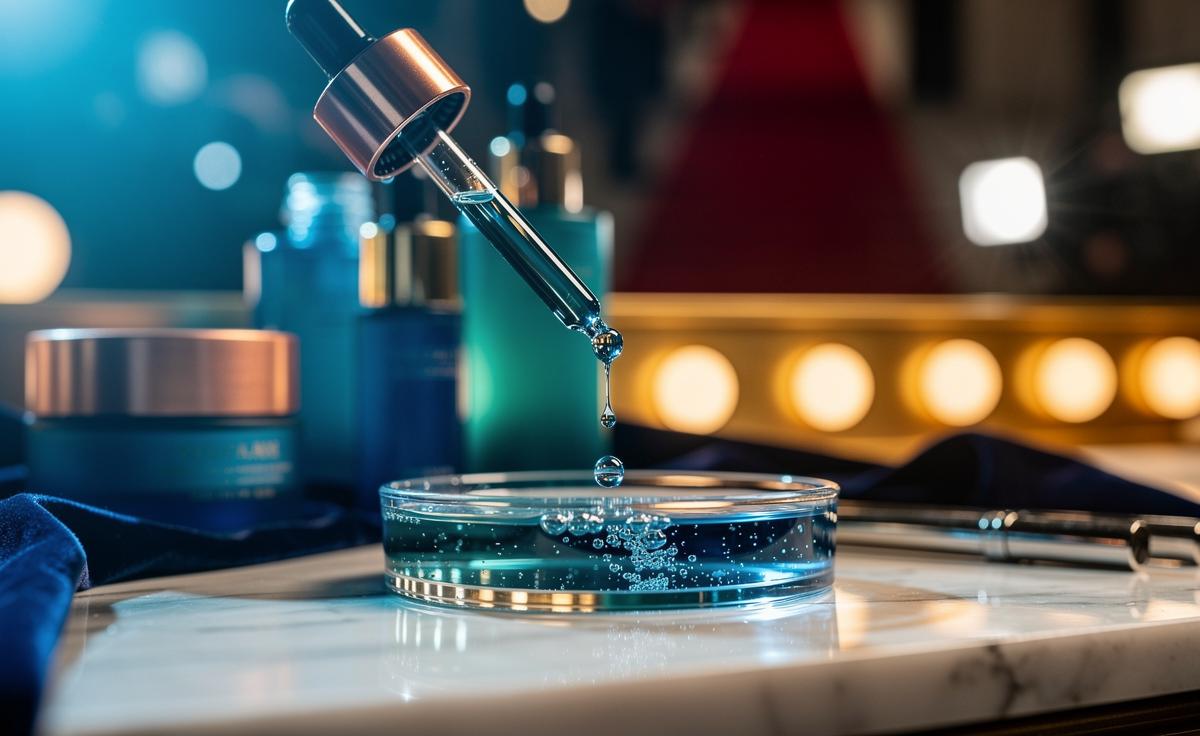
What sets copper peptides apart is compatibility. They’re often well tolerated, layer neatly under sunscreen and base, and don’t demand a full routine overhaul. The ingredient’s characteristic pale blue tint can even be a tell. Formulators slot it into serums for nightly use or gel creams for day. Expect subtlety, not fireworks: less dullness, better bounce, a tidier look to fine lines. The appeal for busy, always-on faces is simple—reliable results without downtime.
Why A‑List Makeup Artists Swear by It
On set, time is oxygen. Pros favour actives that settle fast, play well under foundation, and resist the chaos of hot lights. Copper peptides tick those boxes. Artists describe a soft-focus finish that grips makeup without pilling. There’s a quiet de‑puffing effect after flights, a sense of skin “behaving” even when sleep is scarce. When the skin base behaves, everything else—primer, base, powder—behaves too.
There’s also the brand factor. Luxury houses can weave peptide complexes into sensorial textures—silky gels, featherweight milks—that scream red‑carpet readiness. Unlike aggressive resurfacing acids, copper peptide formulas rarely compromise barrier function, so continuity of use is higher during back‑to‑back events. Some facialists layer a copper peptide serum with niacinamide or squalane for a cushioned finish, then seal with a luminous SPF. The result is presentable in minutes. No drama. No tell‑tale flush. For people photographed from dawn to midnight, low‑risk, high‑reward is the real luxury.
How to Read the Label and Use It Right
Shopping the secret requires translation. Look for Copper Tripeptide‑1, GHK‑Cu, or “Peptide Complex” where copper is specified. Blue-tinted serums can be a clue, though colour alone proves nothing. Start with once‑daily use on clean, dry skin, then moisturiser, then SPF. Patch‑test new formulas and introduce one change at a time—your skin diary is a journalist’s notebook for your face. Brands disagree about pairing with strong acids or pure L‑ascorbic vitamin C; many people alternate days or separate morning and night to keep peace. If you’ve had in‑office treatments, ask your practitioner before resuming actives.
| Label Clue | What It Means | Practical Tip |
|---|---|---|
| GHK‑Cu / Copper Tripeptide‑1 | Classic copper peptide complex | Layer before heavier creams |
| Peptide Blend | Mixed peptides; check for copper | Scan INCI for “copper” terms |
| Blue Serum | Often, but not always, copper-based | Verify beyond colour |
| Buffering Agents | Designed to be gentle on skin | Good under makeup kits |
Less is usually more—steady use beats over‑stacking ten actives at once. Pair with ceramides and humectants for comfort; keep retinoids on alternate nights if you’re prone to irritation. Signs of overdoing it—tightness, redness—mean press pause and rebuild your barrier.
Beyond the Hype: Evidence, Risks, and Realistic Results
The science behind copper peptides is steadier than the usual fad. Research on GHK‑Cu spans wound‑care contexts and cosmetic endpoints such as improved visible firmness and even tone. But read the small print. Studies vary in design and concentration; photos in marketing shots tend to outpace typical timelines. Expect incremental changes over weeks, not a jawline carved in a weekend. As a maintenance tool, though, it earns its keep—especially for those who can’t risk peel‑induced peeling before a premiere.
Risks? They’re relatively low but not zero. Fragrance or preservative systems in a formula—not the peptide itself—often cause the grumbles. Very sensitive skin may prefer fragrance‑free, minimalist INCI lists. There’s no universal “best” percentage; formulation quality matters as much as the number on the box. Keep copper peptides away from broken skin unless advised otherwise, and don’t conflate them with injectables—totally different category. Think of copper peptides as a quiet coach for skin performance, not a stunt performer.
Strip away the celebrity mystique and you’ll find practical decisions: ingredients that cooperate under pressure, travel, and flashbulbs. Copper peptides fit that brief—subtle, dependable, camera‑smart. They’re not magic. They are momentum, adding up with consistent use and a sensible routine. If you’re label‑curious and results‑patient, the blue bottle might be worth a spot in your lineup. The only real secret is choosing what you’ll use regularly, not what shouts the loudest on a shelf. Which formulas have quietly worked hardest for your skin, and what would you like to see investigated next?
Did you like it?4.6/5 (29)