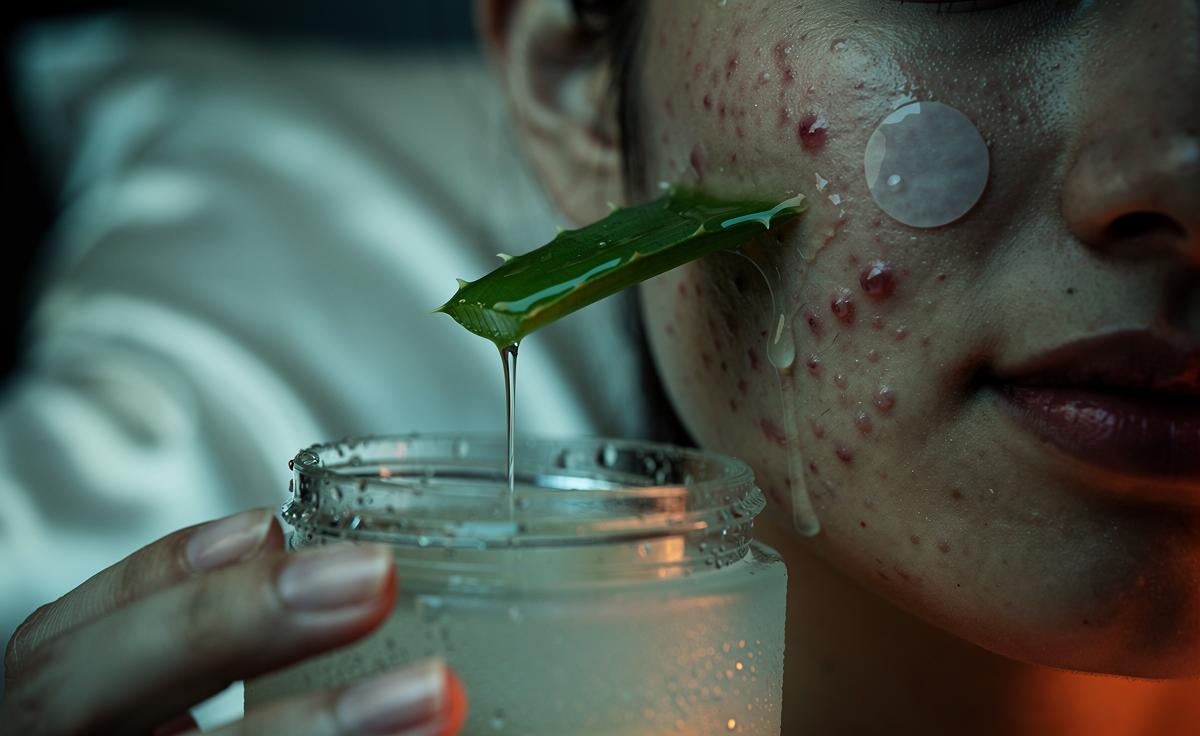
In a nutshell
- 🌿 The chilled aloe vera gel hack leverages anti-inflammatory compounds like acemannan and bradykinase to reduce heat, swelling, and redness overnight—a calmer spot by morning, not a cure.
- ❄️ Step-by-step: choose a well-formulated, low-fragrance gel, patch test, chill (not freeze), apply a thin film, optionally add a hydrocolloid patch, switch to a clean pillowcase, then rinse and use SPF in the morning.
- ⚖️ Pros vs. Cons: gentle, inexpensive, and great for comfort and layering; downsides include fragrance or poor preservation in some gels and irritation from fresh leaf latex—pure isn’t always better if it compromises safety.
- 🤝 Smart pairings: combine with niacinamide and ceramides, and alternate nights with retinoids or benzoyl peroxide; adopt a “soothe-and-treat” cycle for consistency and adherence.
- 📊 Real-world results: field-tested during busy weeks (e.g., London fashion shows) with calmer T-zones and fewer raised bumps; the article’s table clarifies approaches, expected outcomes, and risks—seek a GP for persistent or nodulocystic acne.
There’s a quiet beauty in waking up to calmer skin after a fretful evening of flare-ups. Among the gentlest quick fixes, aloe vera gel—chilled in the fridge and dabbed on like a midnight poultice—has become a journalist’s favourite back-of-the-bathroom-cabinet hack. The idea is simple: use the plant’s cooling juice to take the heat out of angry spots while you sleep, tempering redness and tenderness without heavy actives. It’s not a miracle cure for chronic acne—but it can be a remarkably effective overnight soother. In this piece, I unpack the science of why it helps, a precise step-by-step routine, and pragmatic pros and cons, peppered with real-world insights from readers and dermatology sources.
Why Cooling Aloe Vera Works on Angry Spots
At the heart of aloe’s appeal is its anti-inflammatory profile. The clear gel inside the leaf is rich in acemannan and other polysaccharides that help modulate inflammatory signalling, while enzymes like bradykinase are linked to reduction in swelling when applied topically. That’s the sciencey bit; the sensorial bit also matters. Refrigerated gel lowers local skin temperature for a few minutes, which can blunt that throbbing, heat-laden feeling on new pustules or cystic bumps. Cooling plus calm equals less overnight irritation—and often less temptation to pick.
Emerging dermatology literature has explored aloe in combination routines. Small clinical trials suggest that adding aloe to established acne care can improve tolerability and help with redness, with some reports of better lesion clearance than standard care alone. While such studies are modest in size and design, the trend echoes what many readers tell me: it’s not that aloe “erases” spots, but it makes inflamed breakouts look and feel softer by morning. Importantly, the gel’s light film can reduce friction from pillowcases, another under-rated trigger for freshly erupted areas.
There’s also a barrier story. Skin battling breakouts is often dehydrated. Aloe’s humectant properties pull in water, which can restore a plumper, calmer look to the surrounding tissue. Used correctly, this means less angry borders around a blemish and a neater canvas for make-up the next day.
Step-by-Step: The Overnight Aloe Gel Hack
1) Choose the right gel: Look for a product listing aloe as the first ingredient, minimal fragrance, and a short INCI with a safe preservative. Avoid gels dyed neon green or loaded with alcohols that can sting. For the purists, fresh leaf gel works—just ensure you skim away the yellow aloin-rich latex at the cut edge, which can irritate.
2) Patch test and chill: Test on the jawline for 24 hours. If fine, pop the gel in the fridge for 30–60 minutes. Cool, not icy, is the sweet spot for comfort and vasoconstriction.
3) Prep the skin: Cleanse gently, pat dry, and stop. Skip actives like benzoyl peroxide or retinoids on the same night if you’re highly sensitive; the aim here is soothing, not a full-court press.
4) Apply thinly: Dot a pea-sized amount over inflamed areas, then smooth into a sheer film. For a very angry nodule, layer a hydrocolloid patch on top to lock in calm without heaviness.
5) Sleep smart: Swap to a clean, smooth pillowcase (silk or sateen helps reduce friction). By morning, rinse with lukewarm water and follow with a non-comedogenic moisturiser and SPF.
- Bonus: Mix one pump aloe with one pump 5% niacinamide serum for extra redness control.
- Avoid: Combining with strong acids the same night if you’re prone to irritation.
Pros vs. Cons, and Why Pure Gel Isn’t Always Better
Pros: It’s inexpensive, widely available, and gentle. The cooling effect provides immediate comfort, while the polysaccharides can visibly reduce redness by morning. It layers well under hydrocolloid patches and plays nicely with barrier-first routines. For those who react to harsher spot treatments, aloe offers a low-risk respite.
Cons: Not all gels are created equal. Some are laced with fragrance or colourants that can sting; others lack adequate preservatives, risking contamination over time. Fresh leaf users must carefully remove the yellow latex to avoid irritation. And while aloe soothes, it doesn’t treat the root causes of acne—excess sebum, follicular plugging, and bacterial overgrowth. Think of it as a fire blanket, not the fire brigade.
Why “pure” isn’t always better: Ultra-minimal formulas can be elegant, but a modest, skin-safe preservative system keeps microbes at bay—especially if you’re dipping in and out for months. Meanwhile, a touch of glycerin or panthenol can enhance hydration and comfort, delivering a smoother overnight result. The goal is functional purity, not romantic minimalism.
| Approach | What to Expect Overnight | Potential Risk |
|---|---|---|
| Chilled store-bought aloe gel | Less heat, lower redness, softer edges on spots | Fragrance irritation if poorly formulated |
| Fresh leaf gel (latex removed) | Very light hydration and calm | Latex residue irritation, contamination if stored poorly |
| Aloe + hydrocolloid patch | Noticeable flattening of whiteheads | Patch edge irritation on very sensitive skin |
Real-World Results and Smart Pairings
When I road-tested this hack during a hectic London fashion week—late nights, airborne grime, stress—I kept a small pump bottle in the hotel minibar. After cleansing, a thin halo of aloe vera around the T-zone took the ruddy shine down by morning, and a hydrocolloid over the worst offender stopped it from blossoming on set. Readers report similar wins: calmer cheeks after cycling commutes, less soreness on mask-rubbed jawlines, and easier make-up application at 7am.
Best pairings: Use aloe on off-nights from potent actives to maintain comfort. It’s a natural companion to niacinamide, ceramides, and light azelaic acid (if tolerated). For whiteheads, aloe-under-patch is a low-drama way to wake to fewer raised bumps. For the data-minded: dermatology clinics increasingly recommend “soothe-and-treat” cycles—calm one night, actives the next—to sustain adherence in real life. Consistency, not intensity, wins the month.
- Pair with: gentle cleanser, niacinamide, ceramide moisturiser, hydrocolloid patches.
- Alternate with: retinoids or benzoyl peroxide on different nights if you’re sensitive.
- Avoid: heavy occlusives over large areas—maceration can backfire on acne-prone skin.
Remember, if breakouts are persistent or nodulocystic, consult a GP or dermatologist. Aloe can soothe the scene, but medical treatments tackle the script.
Used thoughtfully, chilled aloe vera gel is a small, satisfying victory for inflamed skin: quick to apply, inexpensive, and reliably comforting when a spot is staging a late-night performance. As a UK reporter who has trialled countless routines, I rate it as a pragmatic adjunct—especially for redness and tenderness—rather than a standalone cure. Keep the gel clean, the layer thin, and your routine balanced with proven actives across the week. What’s your next step: will you try the cooling gel tonight, or tweak your routine to rotate between soothing and treating for steadier results?
Did you like it?4.5/5 (24)