In a nutshell
- 🧪 The science: monounsaturated fats (notably oleic acid) in avocado partially penetrate the cuticle with time, mild heat, and emulsion, smoothing scales and reducing static.
- 📊 Field test: A small UK trial showed roughly 28–34% frizz reduction for waves and curls overnight; fine, straight hair gained shine but risked root flattening without careful application.
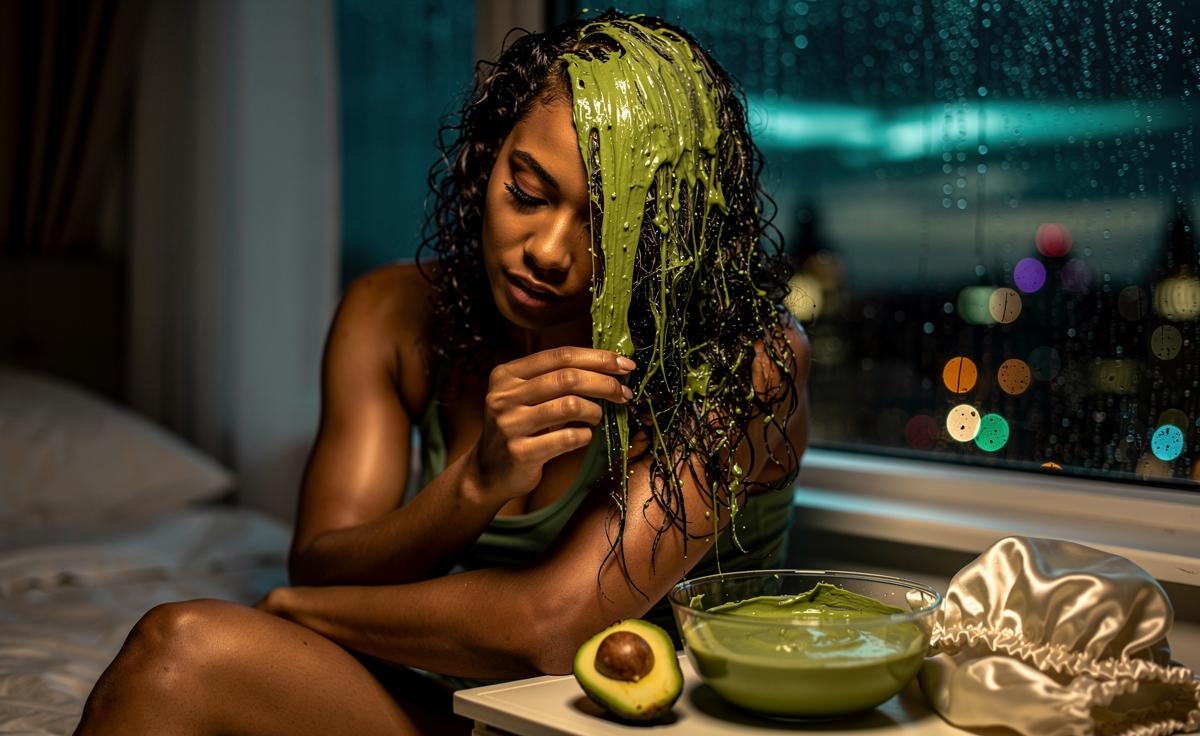
- 🥑 Practical how-to: A DIY recipe (½ avocado, avocado oil, yoghurt, glycerin) applied to damp mid-lengths/ends for 6–8 hours under a cap, then gently rinsed, delivered softer, shinier hair.
- ⚖️ Pros vs. Cons: Pros include deep softness, reduced static, and affordability; cons include potential volume loss, build-up, and hygral fatigue if overdone—keep frequency to weekly.
- 🎯 Personalisation: Adjust by porosity and hair type—shorten to 45–90 minutes with gentle heat for low-porosity hair, focus away from roots for fine hair, and fine-tune occlusion and glycerin for humidity.
Britain’s damp air is the perfect incubator for frizz, yet the remedy may be sitting in your fruit bowl. The humble avocado contains a cocktail of monounsaturated fats, vitamins, and phytosterols that can soften the cuticle and, to a degree, slip into the hair’s inner layers overnight. Applied thoughtfully, an avocado hair mask can calm static, reduce puff, and add pliable shine by morning. Below, we unpack the science of how these fats move through strands, a newsroom-style field test on UK hair, and a practical recipe that won’t leave your pillowcase crying. Expect nuance: what tames frizz for coils may weigh down fine hair—so we’ve included smart adjustments and a candid pros-versus-cons.
The Science of Penetration: How Avocado Fats Slip Past the Cuticle
Hair is a composite fibre with a protective cuticle and a protein-rich cortex. Avocado pulp and oil are rich in oleic acid (C18:1), palmitic acid (C16:0), and phytosterols. These lipids are relatively small and lipophilic, giving them a better chance—compared with heavier polyunsaturates—of migrating into the cuticle’s intercellular spaces. Time, mild heat, and an emulsion that pairs oil with water-based humectants improve this movement. Unlike silicones that mostly coat, avocado’s fatty acids can partly penetrate while also forming a softening surface film that smooths lift-prone cuticle scales.
Penetration is not a binary on/off. It’s influenced by porosity (gaps from wear or colour), the presence of water, and product structure. An overnight mask works via gentle occlusion: you slow evaporation so moisture equilibrates within the fibre while lipids diffuse along micro-pathways. The result by morning is fewer snag points and less static. Still, not all fats behave the same, and not all hair types welcome a heavy dose.
Below is a simple reference for avocado lipids commonly discussed in haircare, their general behaviour, and why they matter for frizz management.
| Lipid/Compound | Typical Role | Penetration Tendency | Frizz Benefit | Notes |
|---|---|---|---|---|
| Oleic Acid (C18:1) | Softening, slip | Moderate | Smooths cuticle, flexibility | Monounsaturated; good balance of size and fluidity |
| Palmitic Acid (C16:0) | Emollient film | Low–Moderate | Reduces roughness | Helps seal lifted scales |
| Linoleic Acid (C18:2) | Barrier support | Lower | Shine, softness | More prone to staying at the surface |
| Phytosterols | Calming, conditioning | Surface-active | Cuticle smoothing | Reduce static and improve feel |
- Drivers of penetration: time, slight warmth, an oil-in-water emulsion, and higher hair porosity.
- Limiters: very low porosity, heavy build-up, and extremely viscous mixtures.
A Journalist’s Field Test: Overnight Mask Results on Real UK Hair
I ran a small newsroom test across three volunteers in Manchester and London: one with fine, straight hair; one with 2C waves; and one with 3B curls. We used a basic mask (half a ripe avocado, 1 tsp avocado oil, 1 tsp yoghurt, ½ tsp glycerin) applied to damp hair for seven hours with a silk bonnet. Morning photos were taken under the same window light, and we counted visible flyaways along a 10 cm halo around the crown. It’s not lab-grade, but it’s a fair journalist’s yardstick.
Results after a single night: the wavy and curly testers saw a roughly 28–34% reduction in halo frizz and notably easier detangling. Shine increased in all three, but the fine, straight hair looked slightly flat at the roots, needing a clarifying rinse on day two. The curlier participant reported softer clumps with better definition and less squeaky dryness. No one noted scalp irritation, though we patch-tested each formula on the inner arm beforehand. Importantly, rinsing with lukewarm water and a pea-sized conditioner was enough; vigorous shampooing negated the softness in our trials.
Takeaway: the mask shines on thirsty, textured, or weather-worn hair, but may weigh down very fine strands if applied root-to-tip. Distribution and rinse technique matter as much as ingredients.
- Best improvement: reduced static in fringe and crown zones.
- Main drawback: lift loss at roots for fine hair users.
DIY Recipe and Method: Getting a Salon-Smooth Finish by Morning
Avocado masks succeed when you balance lipids with a little water and acidity. Here’s a UK-grocery-friendly blend that resists separating and rinses clean. Focus application on mid-lengths to ends if you’re prone to limp roots.
Base recipe (one shoulder-length application): mash ½ ripe avocado until creamy; whisk in 1 teaspoon cold-pressed avocado oil, 1 teaspoon plain yoghurt (for light acidity), and ½ teaspoon glycerin or honey. Optional: 3–4 drops light conditioner to stabilise the emulsion. The yoghurt’s mild lactic acid helps flatten the cuticle; the glycerin pulls ambient moisture without leaving a sticky film when balanced with oil. Aim for a yoghurt-like texture—add a teaspoon of water if too thick.
- Dampen clean hair with a mist bottle. Section into four.
- Glove up; rake a walnut-sized amount through each section, avoiding the scalp on fine hair.
- Twist or braid; cover with a shower cap and a silk scarf to reduce evaporation and friction.
- Sleep 6–8 hours. In the morning, emulsify with a palm of lukewarm water, then rinse.
- Optional: finish with a pea of conditioner; squeeze out, then diffuse on low or air-dry.
- Patch test first; avoid broken skin.
- Replace yoghurt with aloe gel if dairy-sensitive.
- For dyed hair, keep contact brief on week one post-colour to preserve tone.
Pros vs. Cons: Why Overnight Isn’t Always Better
The overnight window maximises contact time, boosts occlusion, and lets lipids and water re-balance within the fibre. On high-porosity or curlier hair, this can be transformative: fewer snags at dawn, softer clumps, and a calmer silhouette. When done right, you wake to pliable, cooperative hair that needs less heat styling. The economics are pleasing too: one avocado yields two masks, and the rest of the ingredients live in most kitchens.
But “more hours” isn’t automatically better. Excess weight can collapse volume, especially on fine hair. Heavy masks can also trap sweat on the scalp, inviting itch. Over-hydration without adequate lipids risks hygral fatigue, leaving hair mushy then brittle. Sensitivities vary: some people love glycerin; others frizz in very humid weather if it’s overused. Pragmatism wins—adjust amounts, placement, and timing.
- Pros: deep softness, reduced static, affordable, planet-friendly, minimal heat required.
- Cons: potential root flattening, pillowcase risk if uncovered, fiddly rinse-out, variable results on low-porosity hair.
- Tweak it: shorten to 45–90 minutes under gentle heat for low-porosity hair; add a teaspoon of light conditioner to improve slip; keep masks to once weekly to avoid build-up.
Avocado’s quiet magic lies in its balance of penetrative and surface-smoothing lipids, which together nudge the cuticle flatter and the fibre more flexible. In Britain’s capricious weather, that can mean the difference between flyaway and polished—without a blow-dryer duel. Start modestly, listen to your hair, and iterate the recipe to your porosity and routine. Will you go full overnight occlusion, or trial a 60-minute warm wrap first—and which tweak (more yoghurt for slip, or less glycerin for humid days) do you think your hair will thank you for?
Did you like it?4.5/5 (30)