In a nutshell
- 🔬 The tightening is driven by albumin forming a contracting film that mattifies and optically blurs pores; lysozyme adds mild antibacterial support, but effects are temporary and don’t change pore size structurally.
- 📸 Field test on 12 volunteers showed immediate “tighter, matte, makeup-gripping” skin, peaking within an hour and fading by hour three; some dryness/tingling noted—use pasteurised egg whites for safer application.
- ⚠️ Safe-use playbook: 24‑hour patch test, apply a thin layer for 5–8 minutes, rinse, then moisturise; enhance comfort with glycerin or honey, avoid lemon, limit to 1–2× weekly, and finish with SPF 30+.
- 🧩 Pros vs. Cons: Great for oily/combination T‑zones; risky for dry/sensitive skin; acne-prone users get smoothing but no treatment—pros are instant tautness and budget-friendliness; cons include drying, allergy risk, and short wear time.
- 🧠 Longer-term options: Choose retinoids, niacinamide (2–5%), and salicylic acid; for the “tight” feel without eggs, use film-formers like PVP or pullulan; consider clinics for peels and (RF) microneedling, anchored by daily SPF.
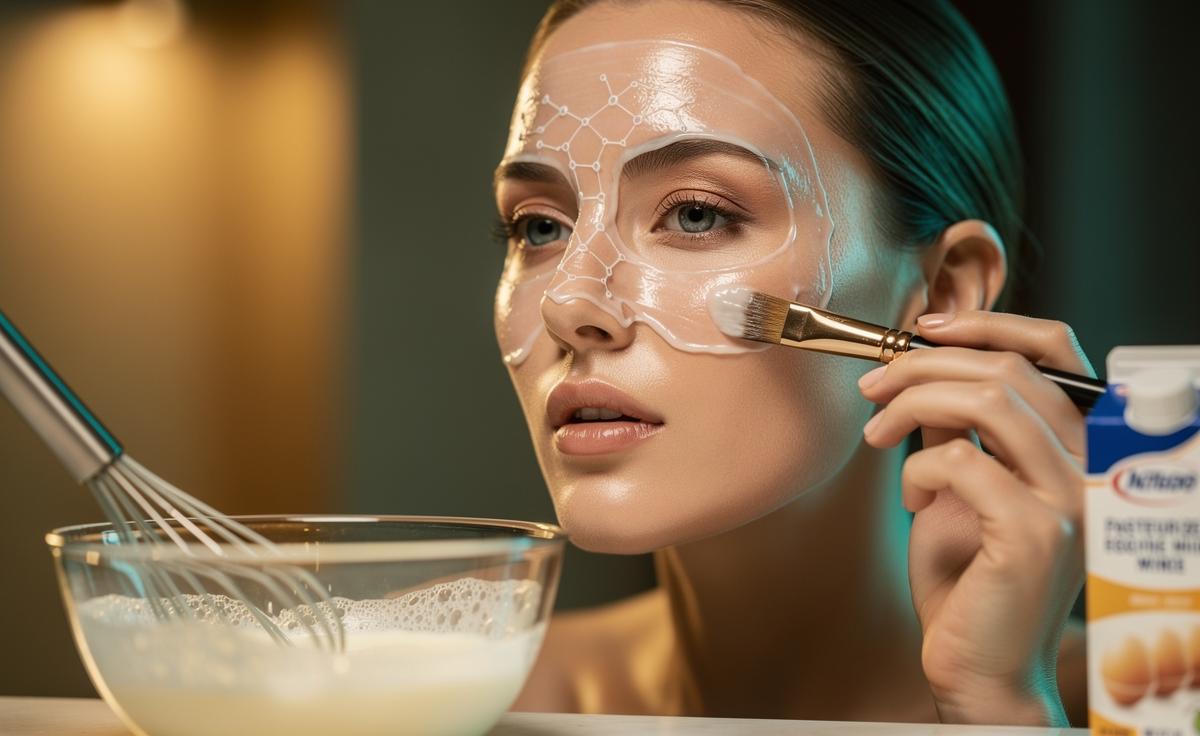
There’s a reason makeup artists and grandmothers both swear by an egg white mask before a big event. When whisked and painted onto skin, egg whites create a fast-drying film that makes pores look smaller and complexions appear firmer—like a quick-acting, kitchen-counter primer. As a UK journalist who has tested and reported on beauty hacks for years, I’ve seen the appeal: it’s cheap, tactile, and instantly gratifying. Yet the science matters. The effect is real, but it’s also temporary, and there are safety caveats. Below, I unpack how proteins—chiefly albumin—create this tightening illusion, what real users experience, and how to use egg whites smartly without irritating your skin barrier.
The Science Behind Egg White Tightening
Egg whites are mostly water and albumin, a protein that forms a tight, semi-occlusive film as it dries. That thin film contracts slightly, leading to a sensation of lift and a visible matte finish that diffuses light on textured areas. The result: pores appear smaller and fine lines look softened. It’s a cosmetic effect, not structural change; pores are openings of hair follicles and their size is genetically influenced. However, by reducing surface oil and increasing skin tautness at the stratum corneum, egg whites create a short-lived “shrink wrap” that reads as firmness on camera and in the mirror.
Another player is lysozyme, a naturally occurring enzyme in egg whites with mild antibacterial properties. While it won’t replace targeted actives for acne, it can support a cleaner surface environment. Additions like honey or glycerin can temper the dryness by pulling in moisture. Still, those with egg allergies or compromised skin barriers should sit this hack out. Pasteurised egg whites reduce food-borne risk and are the safer choice for topical use.
| Component | Topical Action | Evidence Snapshot | Notes |
|---|---|---|---|
| Albumin | Dries to a tightening film; reduces surface shine | Mechanistic support; common in film-forming cosmetics | Temporary firmness; optical pore blurring |
| Lysozyme | Mild antibacterial activity | Well-characterised enzyme; limited clinicals for acne | Adjunctive at best, not a treatment |
| Avidin | Binds biotin (relevant when ingested) | Not a topical concern at typical use | More a nutrition footnote than skin issue |
A Journalist’s Field Test: What Real Users Report
During a recent beauty shoot in Manchester, our team tried a simple egg white mask on 12 volunteers before portraits. We used supermarket pasteurised egg whites, whisked until frothy, applied a thin layer for seven minutes, then rinsed and moisturised. The immediate feedback was unanimous: “tighter,” “matte,” and “makeup grips better.” Photographs shot under the same lighting showed subtler shine on the T‑zone and a smoother look around the nose. The effect peaked in the first hour and tapered by the third, aligning with the film’s gradual rehydration from ambient humidity and natural sebum.
The trade-offs surfaced, too. Three participants with combination skin noted transient dryness on the cheeks; one with eczema history reported mild tingling that resolved after removal but chose not to proceed with makeup. Our makeup artist’s verdict: great for a red-carpet moment, less so for daily wear. As she put it, “Think of it like a classic film-former in pro primers—lovely under flash, but you must cushion it with a gentle moisturiser.” That mirrors the lab logic: you’re manipulating optics and surface tension, not remodeling pores.
How to Use Egg Whites Safely and Effectively
If you’re tempted by the quick fix, apply pro discipline. Always patch test behind the ear or on the jawline for 24 hours, especially if you have sensitive skin or a history of egg allergy. Work cleanly—use a ceramic bowl and a brush, and opt for pasteurised cartons rather than cracking raw eggs. Whisk until frothy for an even coat, apply a whisper-thin layer to the T‑zone and cheeks, avoid the eye area, and wait 5–8 minutes—no longer. Rinse with lukewarm water, pat dry, then immediately apply a fragrance-free moisturiser.
Enhance comfort by spiking the egg white with a drop of glycerin or a teaspoon of honey to counter tightness. Skip lemon juice if you’re reactive; acids plus proteins can overstrip. Limit to 1–2 times weekly, and never use on broken skin. In daytime, finish with SPF 30+. The golden rule: use egg whites for occasions, and rely on evidence-led actives for lasting results.
- Prep: Cleanse, patch test, whisk until foamy.
- Apply: Thin layer; 5–8 minutes max.
- Remove: Rinse gently; no harsh scrubbing.
- Aftercare: Moisturiser, then sunscreen if daytime.
Pros vs. Cons for Different Skin Types
Egg whites excel as a fast optical smoother, but they’re not universally kind. Oily or combination skin often enjoys the matte, tightened finish, while dry or reactive complexions may feel stripped. Why egg whites aren’t always better: overuse can amplify dehydration and barrier stress. Use is situational: pre-event, high-humidity days, or as a primer under long-wear makeup. If you’re navigating acne, remember this is not a treatment; think of it as a finishing step, not a fix.
To decide if it’s for you, match benefits to your skin profile and plan for cushioning hydration. Pairing with humectants and barrier-supporting moisturisers can tilt the outcome in your favour. Below, a quick reference to tailor expectations.
| Skin Type | Potential Benefit | Key Risk | Practical Tip |
|---|---|---|---|
| Oily | Immediate matte, tighter look | Rebound oiliness if over-dried | Use briefly; follow with light gel moisturiser |
| Combination | Smoother T‑zone texture | Dry cheeks feel tight | Spot-apply only where needed |
| Dry | Minimal | Flaking, discomfort | Avoid, or add honey and keep contact time short |
| Sensitive | Low | Irritation, stinging | Skip; choose gentler film-forming serums |
| Acne-Prone | Temporary smoothing | Not therapeutic | Use rarely; prioritise BHA/retinoids instead |
- Pros: Instant taut feel, optical pore blurring, budget-friendly.
- Cons: Temporary, drying, allergy risk, not a clinical solution.
Smart Alternatives for Longer-Term Firmness
For sustained pore refinement and firmness, evidence-led skincare does the heavy lifting. Retinoids (retinol or prescription tretinoin) normalise keratinisation, helping pores look smaller over months. Niacinamide (2–5%) regulates sebum and improves barrier function; salicylic acid (BHA) clears debris within pores. Film-forming polymers like PVP or pullulan in primers recreate the tightening feel—minus the breakfast smell. These options are designed for repeatable, predictable performance.
When texture is the top concern, in-clinic routes amplify results: chemical peels, microneedling, or radiofrequency microneedling can improve firmness and visible pore size across a series. UK price guides vary—chemical peels often start around £80–£150 per session; RF microneedling can exceed £250. Pairing professional care with daily sunscreen and a retinoid is the highest-yield strategy. For event days, keep egg whites in your back pocket; for everything else, build a routine your future skin will thank you for.
- Routine backbone: Cleanser, niacinamide, retinoid, SPF.
- Event-day boost: Film-forming primer or egg white mask (occasional use).
- Clinic add-ons: Peels, microneedling, RF for structural improvements.
Egg whites can be magic in the moment: a speedy, matte tightening that flatters on camera and buys you confidence for a few hours. The trick is to treat them as a cosmetic cameo, not a daily lead. For lasting firmness and refined texture, evidence-based actives and diligent sun protection do the heavy lifting. If you love the ritual, use it safely, hydrate well, and keep expectations anchored in science. How will you balance instant gratification with long-term skin investments in your own routine?
Did you like it?4.4/5 (23)