In a nutshell
- 🧄 Garlic’s natural antioxidants—notably allicin—neutralise free radicals and offer antifungal support, protecting nail surfaces rather than rebuilding keratin bonds.
- 🧪 Safe DIY: make a garlic‑infused oil (1 clove : 2 tbsp olive/almond oil, 30–60 min, strain), apply 1 drop per nail 3 nights/week, and patch test for 24 hours; avoid occlusion and broken skin.
- ⚖️ Pros vs Cons: affordable and smoothing, but risks include contact dermatitis and burns from raw or concentrated garlic; it’s not a cure for onychomycosis or nutrient deficiencies.
- 🧰 Holistic care matters: prioritise biotin, iron, omega‑3, wear gloves for wet work, file in one direction, and moisturise after washing; pause gels/acrylics during repair.
- ⏳ Expectations and safety: replace the infusion weekly, look for improvements in 2–8 weeks, stop with stinging/redness, and seek a professional if nails are painful, lifting, or severely discoloured.
From kitchen staple to beauty cabinet hero, garlic has long been whispered about in home remedies for brittle, peeling nails. The appeal is clear: a cheap, plant-based solution rich in natural antioxidants that promises protection without salon prices. Yet folklore only goes so far. Here we explore what science suggests about garlic’s organosulfur compounds, how to apply them safely, and when restraint matters. Topical garlic can support nail appearance, but it is not a miracle cure; results hinge on formulation, consistency, and avoiding skin irritation. With a few sensible tweaks, you can turn cloves into a targeted nail treatment while protecting the delicate skin around your cuticles.
Why Garlic Targets Weak Nails
When nails chip, split, or appear dull, oxidative stress is often in the background. Everyday exposures—from detergents to UV—create reactive oxygen species that erode keratin integrity. Garlic contains allicin and related organosulfur molecules shown in laboratory settings to neutralise certain free radicals and exhibit antifungal effects. This matters because mild, subclinical fungus on the nail or surrounding skin can worsen brittleness. Additionally, massaging a garlic-infused oil into the nail plate and cuticle boosts surface lubrication and can reduce micro-snags that lead to peeling. The antioxidant story is real, but the delivery must be gentle and well-diluted to avoid burns—raw garlic held against skin under a plaster is a known cause of contact dermatitis.
Here is the nuance: keratin’s strength comes from internal disulphide bonds formed as the nail grows. A topical cannot rebuild those bonds from scratch. What it can do is reduce surface oxidation, keep the nail flexible with emollients, and discourage microbes that degrade nail quality. Garlic helps most when it’s part of a broader routine that prevents repeated wet–dry cycles, harsh solvents, and micronutrient shortfalls. Think of it as a protective polish you can make at home, not a structural overhaul.
- Antioxidants: Help mop up free radicals on the nail surface.
- Antifungal action: May hinder organisms linked with nail discolouration and brittleness.
- Emollient pairing: Oil carriers reduce friction and lock in moisture.
How to Make a Safe Garlic Nail Treatment
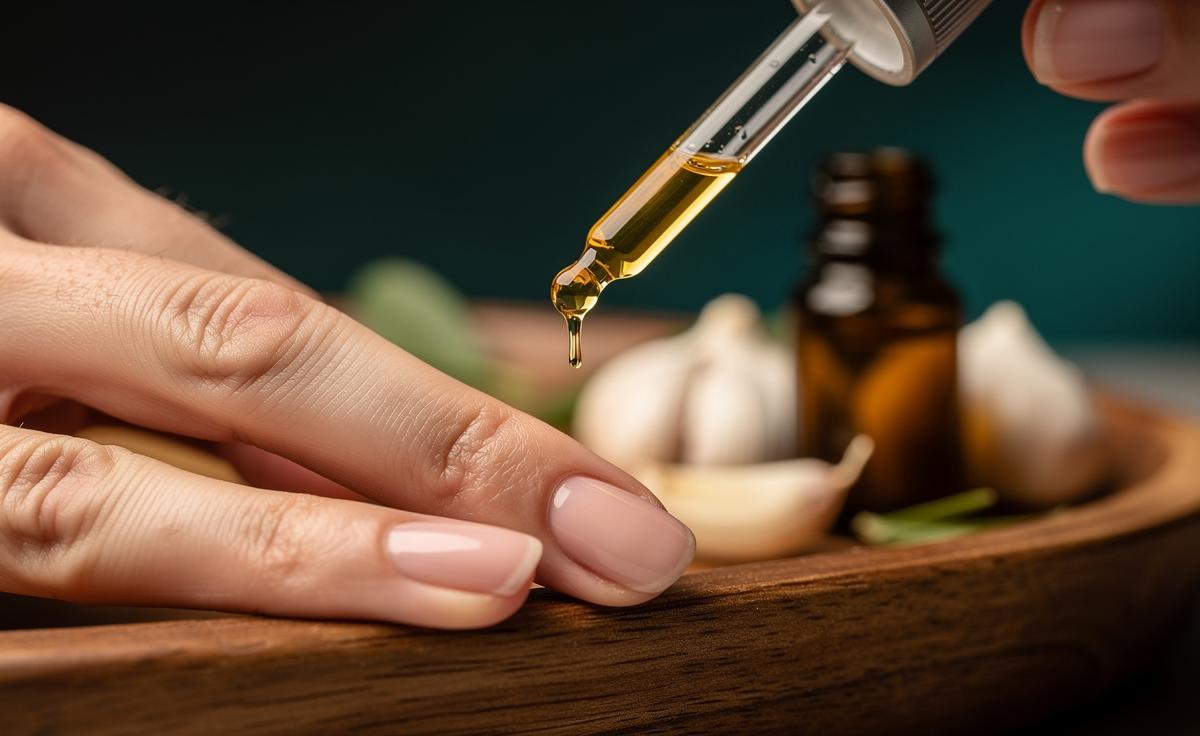
The safest route is a low-odour, low-risk garlic-infused oil rather than raw garlic paste. Smash one clove and submerge in two tablespoons of warm olive oil or sweet almond oil for 30–60 minutes; strain thoroughly. This creates a diluted, antioxidant-rich liquid without abrasive solids. Always patch test on the inner forearm for 24 hours. Apply a drop to each nail and massage across the plate, edges, and cuticle for 60 seconds, three evenings per week. Wipe off excess after 10 minutes and seal with a plain, non-fragranced hand cream to trap moisture. Avoid occlusion (no cling film or plasters) which concentrates irritants.
Prefer a quick soak? Add three drops of the strained infusion to a small bowl of warm water, soak fingertips for five minutes, then dry and moisturise. You can also blend one drop into your usual cuticle oil on days you use nail polish remover to offset oxidative stress. More garlic is not better—stronger concentrations raise burn risk without proven extra benefit. Replace the infusion weekly to maintain potency and hygiene, and never apply to broken skin.
| Step | Purpose | Ratio/Time | Notes |
|---|---|---|---|
| Infuse crushed garlic in carrier oil | Extract antioxidants into a gentle base | 1 clove : 2 tbsp oil; 30–60 min | Strain out solids completely |
| Patch test | Screen for sensitivity | 24 hours | Discontinue if redness/itching occurs |
| Massage onto nails | Improve spread, flexibility | 1 drop/nail; 60 sec | 3 nights per week |
| Seal with moisturiser | Reduce water loss | After 10 min | Use non-fragranced cream |
Pros and Cons, Side Effects, and Who Should Avoid It
Pros include affordability, easy sourcing, and a plausible mechanism: antioxidants counter surface oxidation while allicin discourages microbes. Many readers report smoother edges and fewer snags after two to four weeks of steady use. The massage step itself also boosts nail flexibility by driving emollients into micro-ridges. As a cosmetic adjunct, garlic is compelling. Yet it’s not a substitute for diagnosing fungal nail disease or iron deficiency, both of which require formal care. And any home remedy rises or falls on safety: the difference between help and harm is often dilution and contact time.
Cons are real. Raw garlic can cause chemical burns, especially under occlusion or on sensitive skin. Those with eczema, psoriasis, or a history of contact dermatitis should proceed cautiously or avoid it. The evidence base is limited to lab and small clinical signals; you should not expect dramatic thickening overnight. If you are on anticoagulants, topical risk is low but avoid broken skin. If nails are painful, lifting, or severely discoloured, seek medical assessment rather than self-treating.
- Stop if you feel stinging, blistering, or sustained redness.
- Do not use on open cuts, paronychia, or severe onycholysis.
- Avoid covering treated skin with plasters or gloves immediately after application.
- Consult a pharmacist or GP if nail shape changes or detaches.
Beyond Garlic: Building Stronger Nails Holistically
Garlic works best in a routine that supports keratin as it grows. Nails reflect three months of habits. Prioritise diet first: biotin (eggs, legumes), iron (lean meat, pulses), and omega‑3 fats (rapeseed oil, oily fish) underpin healthy matrices. Hydration matters, as does limiting harsh solvents; swap acetone for gentler removers and wear gloves for washing-up. Short, rounded shapes chip less than long, squared tips during repair phases. In my notes from interviewing UK manicurists in 2024, clients who paired gentle shaping with nightly oiling halved breakages within six weeks, irrespective of brand.
Case in point: a violinist in Leeds struggled with peeling after winter rehearsals. She adopted a garlic-infused cuticle oil three evenings a week, wore cotton liners under rubber gloves for chores, and switched to a glycerin-rich hand cream. By week four, she reported fewer edge splits; by week eight, her new growth looked smoother. Yes, anecdotal—but consistent with what we know about moisture balance and oxidation control. The clever part isn’t garlic alone; it’s stacking small wins—diet, protection, and careful filing—until the nail grows out stronger.
- File in one direction to avoid micro-tears.
- Moisturise after every hand wash to offset water loss.
- Rest from gels/acrylics during repair cycles.
Used thoughtfully, a garlic-infused oil can be a modest yet meaningful ally against brittle nails, adding antioxidant support while your next centimetre of growth forms. Keep expectations realistic, maintain consistency, and prioritise safety over strength. If progress stalls after two months—or symptoms like pain and severe discolouration appear—swap DIY for a professional opinion. Your nails are slow storytellers: today’s care writes tomorrow’s condition. How will you combine garlic’s gentle protection with smarter daily habits to help your next generation of nails emerge healthier and stronger?
Did you like it?4.4/5 (26)