In a nutshell
- 🔬 The oatmeal facial leverages saponins (mild cleansing), beta‑glucans (film‑forming hydration), and avenanthramides (anti‑irritant) to calm redness while protecting the skin barrier.
- 🧴 Method: grind 1 tbsp oats, mix with 2 tbsp cool water (optional plain yoghurt or honey), apply a thin layer for 8–10 minutes (keep soft), rinse tepid, then use ceramides and daytime SPF; avoid fragrance, acids/retinoids, hot water, and scrubbing.
- ⚖️ Pros vs. Cons: Pros—soothing, affordable, barrier‑friendly, microbiome‑gentle. Cons—possible oat/grain allergy, gluten cross‑contact, dryness if it cracks, not a medical treatment; always patch test.
- 🆚 Colloidal Oatmeal vs. Pantry Oats: Colloidal offers consistency for ultra‑sensitive phases; finely ground pantry oats deliver similar actives for short masks—key is a fine grind, fresh mix, and certified gluten‑free if needed.
- 🌬️ Best for rosacea‑prone, eczema‑leaning, wind‑chapped, or post‑treatment skin as a gentle reset between actives, promoting a calmer, more resilient complexion.
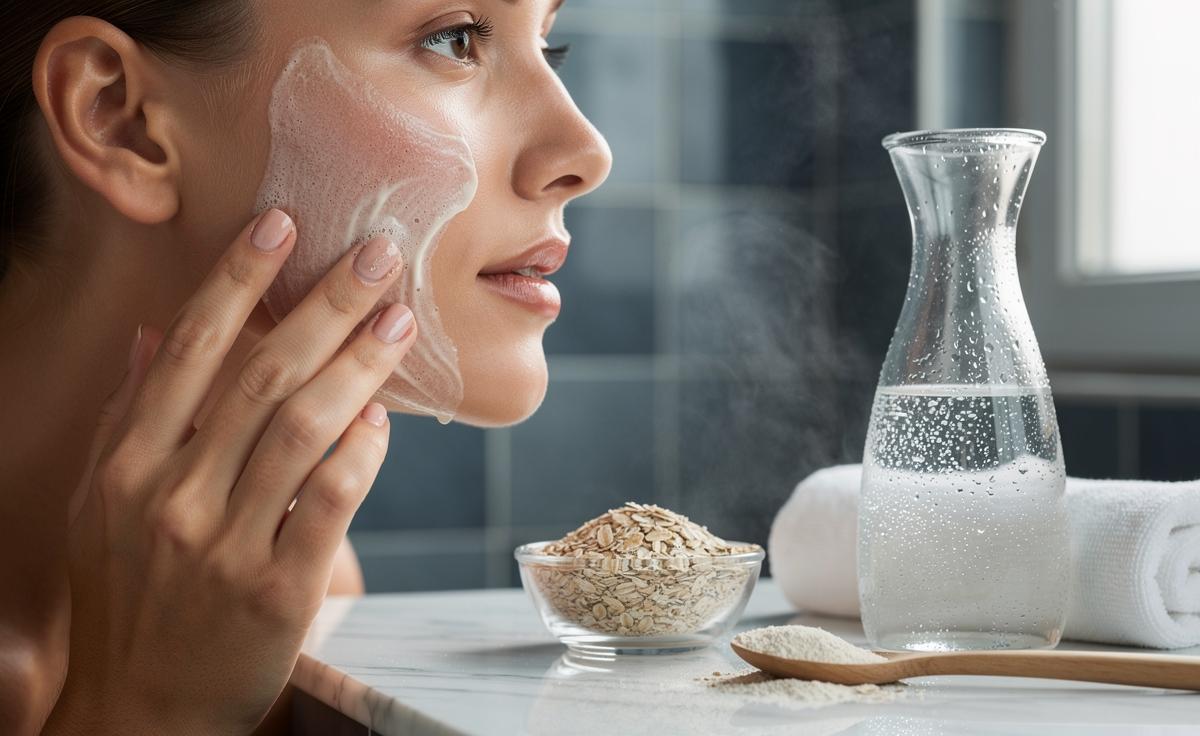
The simplest ideas are sometimes the kindest to your complexion. The humble oatmeal facial has resurfaced on British bathroom shelves for a reason: its soothing saponins, beta‑glucans, and avenanthramides can calm that tell‑tale city flush without leaving skin tight or compromised. As a beauty journalist who’s spent mornings testing masks and afternoons quizzing formulators, I’ve found oatmeal to be the rare kitchen staple that behaves like a lab‑polished comfort blanket. When redness flares, gentleness—not aggression—wins. Below, we unpack the science, share a careful at‑home method, and weigh up who should embrace oats and who should patch test twice. Consider this your grounded guide to skin peace via porridge’s most elegant second act.
What Makes Oatmeal Soothing: The Science of Saponins
Oats contain natural saponins, plant‑derived glycosides that lightly foam and lift away grime without stripping the lipid matrix that keeps skin supple. Unlike harsher surfactants, oat saponins are low‑impact cleansers; they help dislodge particulate pollution while maintaining a pliable stratum corneum. That gentleness matters, because redness is often a messaging system for barrier distress. Alongside saponins, oats bring beta‑glucans, long‑chain sugars that attract water and form a microscopic film to reduce transepidermal water loss, and avenanthramides, phenolic compounds widely recognised for their anti‑irritant properties.
In practice, this trio can soften the look of flushed cheeks, windburn, and post‑treatment prickliness. People with rosacea‑prone or eczema‑leaning complexions often report reduced stinging versus harsher masks. Oats also sit in a skin‑friendly pH range and pair well with barrier‑supporting moisturisers. Think of oatmeal as a reset: a quieting ritual that tidies the surface, hydrates, and dials down reactivity without the drama. It won’t cure a medical condition, but used consistently, it can make your routine feel less like firefighting and more like care.
| Oat Compound | Main Action | What You’ll Notice |
|---|---|---|
| Saponins | Mild cleansing | Cleaner feel without tightness |
| Beta‑glucans | Humectant film‑forming | Softer, more hydrated skin |
| Avenanthramides | Anti‑irritant, soothing | Reduced visible redness |
Crafting the Oatmeal Facial at Home
You need three things: oats (ideally colloidal oatmeal, but finely ground porridge oats work), cool boiled or filtered water, and a simple buffer like unsweetened yoghurt or raw honey. For extremely sensitive skin, plain water plus oats is enough. Avoid fragrance, essential oils, and aggressive acids on the same night. If you’re worried about sensitivity, patch test on the jawline for 24 hours, especially if you have a known oat or grain allergy.
Grind 1 tablespoon of oats to a soft flour. Mix with 2 tablespoons of cool water to form a loose cream; let it sit for five minutes so beta‑glucans can thicken. Optional: add 1 teaspoon yoghurt for extra slip or 1 teaspoon honey for humectancy. Smooth a thin layer over clean, damp skin, avoiding the immediate eye area. Leave for 8–10 minutes, misting once if it dries; oatmeal should stay soft, not crack. Rinse with tepid water using your palms, pat dry, then follow with a ceramide moisturiser and a mineral SPF in daylight. Gentle in, gentle out—that’s the rule.
- Don’t scrub: let saponins cleanse; mechanical friction can re‑ignite redness.
- No hot water: heat vasodilates and can worsen flushes.
- Skip retinoids/acids the same evening to prevent over‑exfoliation.
| Step | Timing | Notes |
|---|---|---|
| Mix oats + water | 0–5 min | Allow to bloom for viscosity |
| Apply mask | 5–7 min | Thin, even layer; avoid eyes |
| Wear time | 8–10 min | Keep pliable; mist once |
| Rinse + moisturise | 2–3 min | Finish with barrier cream |
Pros and Cons for Sensitive and Red‑Prone Skin
The case for oats is strong. They’re accessible, affordable, and remarkably tolerable across skin types. In my testing rounds with reactive skin volunteers, an oatmeal mask was the rare step that felt like a sigh: a soft cleanse, a cushioned rinse, and a calmer mirror moment. The combination of saponins and film‑forming beta‑glucans makes oats a pragmatic choice after exfoliation missteps, winter wind, or maskne flare‑ups. When your barrier whispers “enough,” oatmeal listens. It layers seamlessly with ceramides, cholesterol, and hyaluronic acid, and it won’t bulldoze your microbiome the way foamy cleansers sometimes can.
But there are caveats. Grain allergies exist, and while oats are gluten‑free by nature, they can be contaminated by wheat during processing. If you have coeliac disease or a known oat sensitivity, consult a professional and patch test diligently. Honey additions can be sticky for Malassezia‑prone skin; stick to water‑only mixes in that case. Leaving any DIY mask on too long risks dryness or microbial overstay, so keep to ten minutes and mix fresh every time. Natural does not guarantee “irritation‑proof,” it just gives you better odds.
| Pros | Cons |
|---|---|
| Soothes redness quickly | Potential oat/grain allergy |
| Low‑cost and widely available | Gluten cross‑contact risk in some oats |
| Supports barrier and hydration | Overuse can dry if left to crack |
| Pairs well with gentle routines | Not a medical treatment for severe dermatoses |
Why Colloidal Oatmeal Isn’t Always Better Than Pantry Oats
Colloidal oatmeal—ultrafine, steam‑treated oat flour designed for skincare—boasts consistent particle size, safety testing, and excellent suspension in water. In leave‑ons and soaks, it shines: even dispersion means a more even film, and the controlled grind reduces mechanical irritation. Many derms recommend colloidal oats for post‑procedure care or ongoing eczema support, and for good reason. If your skin is in a high‑alert phase, the predictability of colloidal is reassuring.
But don’t dismiss pantry oats. If you grind standard porridge oats to a velvet‑soft powder and mix them fresh, you’re still delivering saponins, beta‑glucans, and avenanthramides to the skin. For an eight‑to‑ten‑minute mask, the functional gap narrows considerably. What matters more is preparation: fine grind, gentle application, and not letting the mask dry rock‑hard. Opt for certified gluten‑free oats if contamination worries you, and replace the packet every few months to keep it fresh. The best oatmeal facial is the one you’ll actually make, when your face needs kindness most.
- Choose colloidal for inflamed phases or ultra‑sensitive skin.
- Choose pantry oats for convenience and cost, with a fine grind and patch test.
- Either way, keep the routine simple and barrier‑first.
In a beauty market that often confuses stimulation with efficacy, oats argue for calm. The oatmeal facial asks little—clean water, a spoon, ten quiet minutes—and gives back a lot: soft cleansing, hushed redness, and a steadier barrier the next day. Small, consistent comforts accumulate into resilience. If your skin has been saying “too much”, this might be your easy reset between actives. Will you grind a handful of oats tonight, or reach for a sachet of colloidal—and what does your skin tell you the morning after?
Did you like it?4.6/5 (27)