In a nutshell
- 🧪 The science: oils penetrate gum’s hydrophobic polymers, plasticise the mass, and reduce tack—so strands slide free; replace friction with glide, and skip the ice trick on hair.
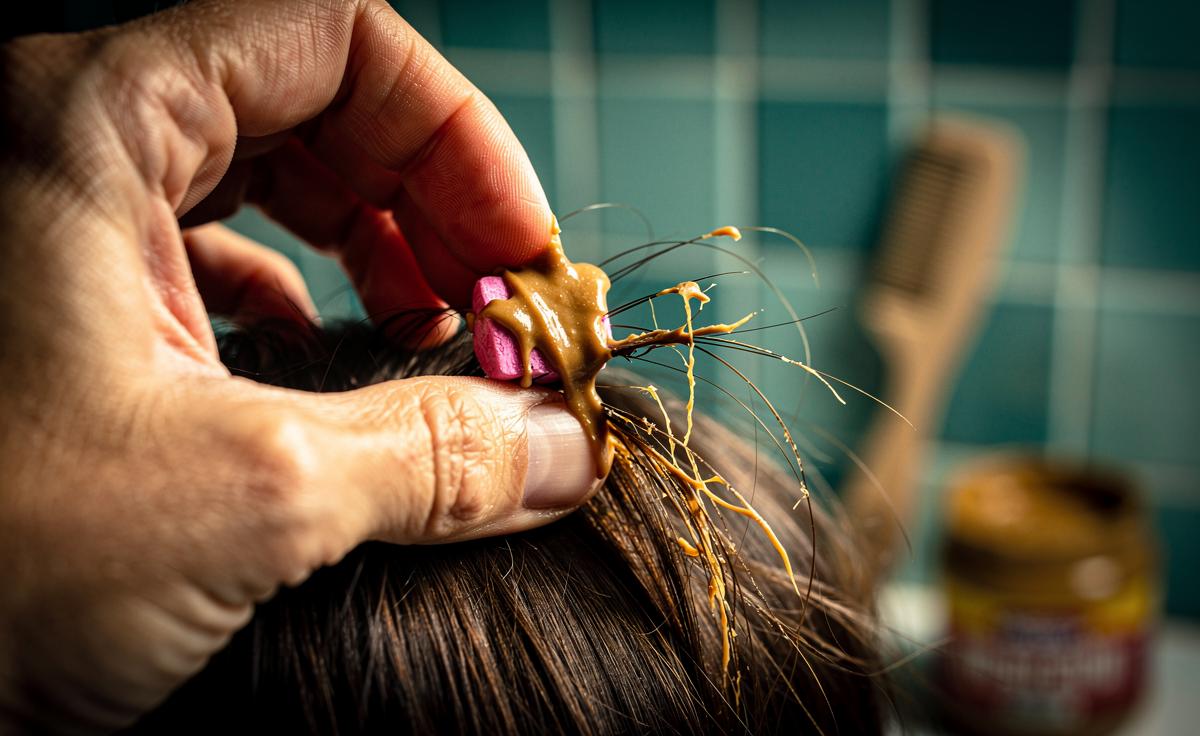
- 🥜 How-to: The peanut butter method—apply smooth PB, wait 3–5 minutes, gently tease and comb from ends, wipe, then shampoo twice and condition; patch-test if allergy-prone and remember patience beats pulling.
- ⚖️ Pros vs. Cons: Accessible, cheap, effective for most hair types, but watch for nut allergies, mess, and potential colour fade; never yank—time, not force, prevents breakage.
- 🧴 Alternatives: Use mineral oil, olive oil, or a silicone detangler for cleaner glide; avoid harsh solvents (acetone/citrus) on scalp; freezing works for fabrics, not hair.
- 💇♀️ Aftercare & Prevention: One clarifying shampoo plus hydration, a light leave-in, and careful detangling; prevent with braids/scrunchies and teach binning gum; keep a neutral oil on standby.
Let’s be honest: few domestic dramas rival discovering a wad of chewing gum welded to hair. Yet across Britain, an old kitchen standby keeps saving mornings—the peanut butter trick. It’s not magic; it’s chemistry. Oils in peanut butter soften and loosen the gum’s grip, turning a solid nightmare into a slide-off nuisance. The key is patience, gentle pressure, and the right clean-up. Below, I unpack how and why it works, where it can fail, and the safe alternatives pros quietly recommend. Never yank or cut hair in panic; with thoughtful steps, you can remove gum without sacrificing length or shine—and your composure.
Why Oils Break Gum’s Grip
Chewing gum is built on hydrophobic polymers—materials like polyisobutylene and synthetic rubbers that repel water and cling stubbornly to hair fibres. Water alone does little because gum’s rubbery matrix refuses to mix. Oils, however, are chemically compatible: they seep into the gum, plasticise the structure, and reduce the tack. Think of it as easing a tight knot with a lubricant rather than trying to tug it out dry. Peanut butter delivers a double act: triglyceride-rich oils that soften gum and tiny solids that encourage gentle mechanical break-up without excessive pulling.
Temperature matters. Warmth encourages oils to move into the gum faster, while cold makes gum brittle but still snag-prone. That’s why the freezer trick is better for fabrics than for hair. With hair, your target is controlled softening. The golden rule is to replace friction with glide. By saturating gum with oil, you diminish adhesion and allow strands to slip clear. Peanut butter works because it’s dense, stays put, and offers enough oil to infiltrate that stubborn mass without dripping into places you don’t want it.
Step-By-Step: The Peanut Butter Method
Preparation is half the victory. Lay a towel over shoulders, section the affected hair, and clip back the rest. Keep a wide-tooth comb, tissues, and a mild shampoo nearby. If allergies are a concern, do a quick patch test on the inner arm or skip straight to a non-food oil like mineral or olive oil.
Method that hairstylists quietly endorse:
- Work a heaped teaspoon of smooth peanut butter directly onto the gum, coating every side. Avoid the scalp where possible.
- Let it sit 3–5 minutes. Warmth from your hands helps the oils migrate into the gum.
- Pinch and gently tease the gum, pulling it away from hair in small sections. Add more peanut butter if it re-tacks.
- Use the wide-tooth comb from ends toward the gum, not the other way round, to keep tension minimal.
- Once the mass breaks apart, wipe residues with tissues.
- Shampoo twice with lukewarm water; follow with a light conditioner to restore slip.
Parents tell me the turning point came when they stopped scrubbing and started waiting. One London dad shared that his seven-year-old’s fringe survived intact after a patient five-minute soak. Time, not force, does the heavy lifting, and that’s the difference between rescue and haircut.
Pros vs. Cons and Why Peanut Butter Isn’t Always Better
The peanut butter hack shines because it’s accessible, cheap, and reliable on most hair types—especially straight and wavy textures where gum can wrap and mat quickly. It’s also intuitive: apply, wait, slide. For many households, that’s a practical win on a chaotic school morning. And because the oils are food-grade, accidental residue is less alarming than with harsh solvents.
But there are caveats. Nut allergies make peanut butter a non-starter; even dermal contact can be risky. The smell can linger, and the paste may be messy in thick curls. On very fine or heavily processed hair, overzealous rubbing can cause breakage; think “glide”, not “grit”. There’s also the clean-up: two shampoos are often needed to remove all oils. If hair has a fresh toner or vivid dye, heavy oils may encourage colour fade during the subsequent wash. In those cases, a lighter, fragrance-neutral oil or a silicone-based detangler might be preferable. Remember: the best product is the safest one you’re confident using under pressure.
Alternatives, Science Notes, and Salon Insights
For households avoiding peanuts or seeking less mess, these oil-based stand-ins work on the same principle: soften, slide, cleanse. A senior colourist I interviewed prefers mineral oil on newly coloured hair, as it’s inert and odourless. A children’s stylist, meanwhile, favours olive oil because parents already have it to hand and it rinses more predictably than mayonnaise. Avoid solvents like acetone or citrus degreasers on the scalp; they can irritate skin and strip colour.
| Remedy | Speed | Smell/Residue | Allergy Risk | Wash-Out Ease |
|---|---|---|---|---|
| Peanut butter (smooth) | Fast | Nutty, pasty | High if nut-allergic | Medium (2 shampoos) |
| Olive oil | Fast | Mild, oily | Low | Medium |
| Mineral/baby oil | Fast | Neutral, slick | Very low | Medium–Easy |
| Coconut oil | Moderate (melts at warm) | Sweet, waxy | Low | Medium |
| Mayonnaise | Moderate | Tangy, messy | Egg allergy risk | Harder |
What about freezing? On hair, the ice method often makes gum shatter into sharp crumbs that tangle worse. It’s brilliant for carpets; less so for curls. Salon pros keep a small bottle of silicone detangler as a clean alternative—same logic, fewer sandwiches sacrificed.
Prevention and Aftercare for Healthier Hair
Prevention begins with behaviour and finishes with routine. Teach children to wrap gum in paper and bin it, not park it behind an ear. For long hair on windy days, a low braid or silk scrunchie keeps strands from drifting into mouths and hands. If gum does find its way, resist the impulse to scrub or pull. Switch off urgency, switch on oil.
After removal, hair benefits from a thoughtful reset. Use a gentle clarifying shampoo no more than once, followed by a hydrating conditioner—mid-lengths to ends—to restore slip. A pea-sized leave-in helps seal raised cuticles. If breakage occurred, micro-trim the affected ends rather than chasing every fray. Curly and coily textures appreciate a water-based detangler post-wash to re-group curls without heavy residues. Finally, consider keeping a travel-sized neutral oil or detangler in your bag. It’s the difference between a bathroom crisis and a two-minute fix. Preparation beats panic every time.
Gum in hair is a chemistry puzzle disguised as a household mishap; once you know that oils outsmart gum’s hydrophobic grip, control returns to your hands. Whether you reach for peanut butter, olive oil, or a silicone detangler, the winning move is patience plus glide, then a careful cleanse. Your hair—and your morning—survive intact. Next time life gets sticky, which option will you keep on standby: the kitchen classic, the salon-grade detangler, or a tidy little bottle of neutral oil waiting in the bathroom cabinet?
Did you like it?4.4/5 (22)