In a nutshell
- 🧪 Lactic acid in plain yogurt offers dual action—gentle exfoliation plus humectant hydration—supporting ceramides and comfort at a skin-friendly pH 4.0–4.6.
- ⚖️ Pros vs. Cons: Yogurt’s low, buffered potency (~0.7–1.2%) is soothing and budget-friendly, while bottled serums at 5–10% give precision and faster brightening but risk over-exfoliation.
- 🛡️ Safe use: Patch test, apply a thin layer for 5–10 minutes, rinse, and follow with a ceramide moisturiser; limit to 1–3×/week and wear daily SPF.
- 🎯 Best for dry or barrier-compromised skin; caution for rosacea, eczema, dairy sensitivity, or Malassezia-prone skin—use unsweetened, live-culture yogurt only.
- 📈 Real-world trial: In a British cold snap, flaking eased by day four and comfort improved; not a pigmentation powerhouse, but excellent for soothing, hydrated softness.
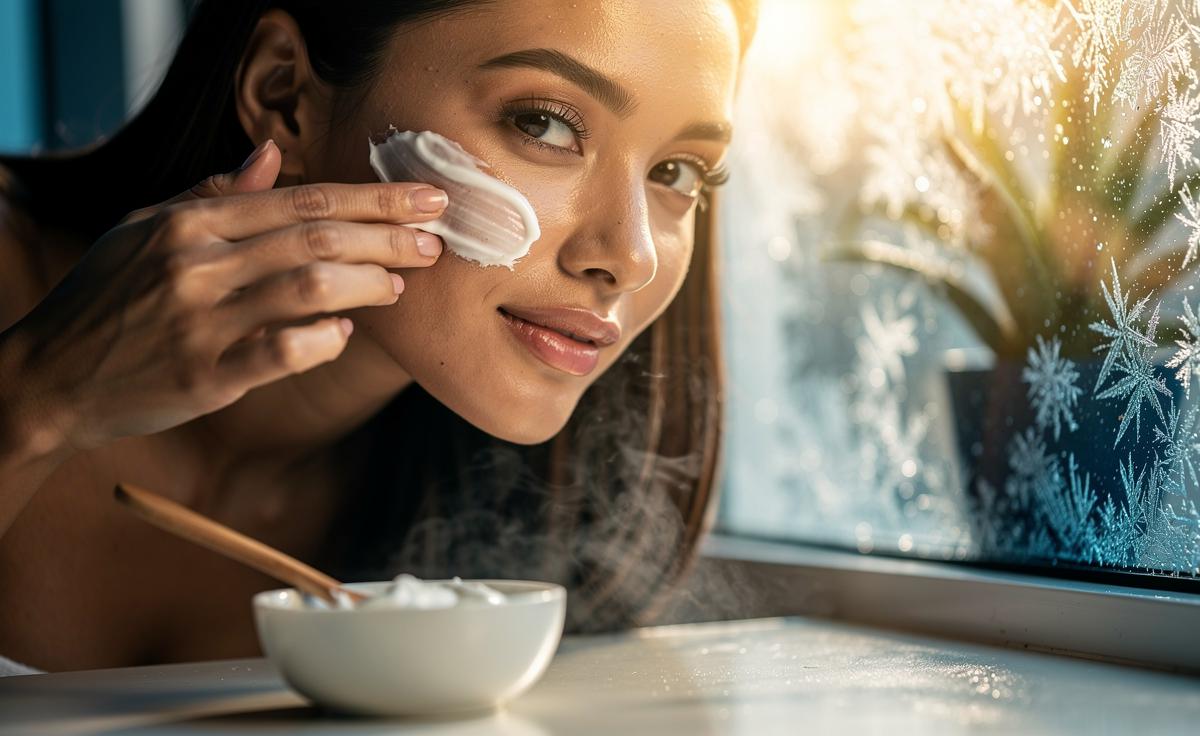
As winter winds chap cheeks across Britain, a humble kitchen staple is stepping into the skincare spotlight: plain yogurt. Far from a fad, the science is solid. Yogurt’s naturally occurring lactic acid—a gentle alpha-hydroxy acid—can lift dull flakes while drawing water into the skin, leaving it soft without the burn. Add in proteins and fats that cushion the barrier, and you have a workable, wallet-friendly mask for tight, thirsty complexions. Used thoughtfully, this dairy-based hack can help restore glow when expensive serums underwhelm. Here’s how it hydrates deeply, when it works best, and the smart, safe way to try it at home.
Why Lactic Acid Loves Dry Skin
Among alpha-hydroxy acids, lactic acid is the diplomat—effective yet polite. Its larger molecular size and naturally occurring humectant behaviour mean it binds water to the stratum corneum while loosening dead cells at the surface. Think of it as a tidy-up that also tops up moisture. This dual action—exfoliation plus hydration—is why lactic acid often outperforms harsher acids for dryness and flaking.
When applied in modest doses, lactic acid helps normalise gentle shedding, which can reduce the look of ashiness and rough patches. There’s also evidence it supports ceramide production over time, improving the skin’s lipid matrix—the “mortar” between our skin cells. Crucially, it works best in a slightly acidic environment (around pH 3.5–4.5), a range not too distant from yogurt’s own pH, which typically sits at 4.0–4.6.
With dry skin, barrier kindness matters. Yogurt brings more than acid: milk fats act as light occlusives, and proteins help with feel and cushion. That means you get gentle exfoliation alongside comfort—useful if retinoids or winter heating have left your skin temperamental.
Plain Yogurt vs. Bottle Serums: What’s Really in the Pot?
Let’s be clear: a pot of plain, unsweetened yogurt is not the same as a calibrated 10% lactic acid serum. But for parched faces, those differences can be helpful. Yogurt’s lactic acid content is modest (often around 0.7–1.2% by titratable acidity), buffered by fats and proteins. That makes it inherently softer in feel and effect, with less sting than many active formulas.
| Feature | Plain Yogurt (Live, Unsweetened) | Lactic Acid Serum (5–10%) |
|---|---|---|
| Lactic Acid Level | Low, naturally variable (~0.7–1.2%) | Precisely dosed (usually 5–10%) |
| pH | ~4.0–4.6 (gentle) | ~3.5–4.0 (more active) |
| Barrier Comfort | Fats and proteins add cushion | Depends on formula; often needs a moisturiser |
| Consistency | Unpredictable potency batch-to-batch | Consistent performance per use |
| Cost | Low per mask | Moderate to high |
| Risk | Lower acid burn risk; dairy sensitivity possible | Higher risk of over-exfoliation if overused |
Why “more acid” isn’t always better: dry skin often lacks lipids, not just smoothness—so a cushioned, low-strength option can outperform a strong serum in comfort and compliance. If you crave precision or are targeting pigmentation, a bottled formula wins. If you want quick relief from winter flakiness, yogurt holds its own.
How to Try the Yogurt Mask Safely (Step-by-Step)
For best results, choose plain, live-culture, unsweetened yogurt. Greek-style is thicker and less drippy; avoid flavoured or sweetened pots. Always patch test first.
- Patch test: Dab a coin-sized amount behind the ear for 10 minutes, rinse, and monitor for 24 hours.
- Cleanse gently: Use a non-foaming cleanser; pat skin damp—not dripping.
- Apply thinly: Spread a sheer layer over dry areas (cheeks, forehead). Avoid eyes, cracked skin, and active eczema.
- Time it: 5–10 minutes for first use; up to 15 if well tolerated.
- Rinse and buffer: Lukewarm water; follow with a ceramide-rich moisturiser.
- Frequency: 1–3 times weekly. Scale back if tingling persists or redness appears.
- Daylight caution: AHAs increase sun sensitivity. Wear broad-spectrum SPF daily.
Enhance the hydration by sealing with a few drops of squalane or a simple occlusive balm on top of your moisturiser at night. Skip retinoids or other acids on mask days to reduce irritation risk. This is a comfort-first routine, not a race to peel.
Pros and Cons for Different Skin Types
Pros
- Dry, tight skin: gentle exfoliation plus water-binding for softer texture.
- Barrier-compromised from winter: buffered action lowers sting potential.
- Budget-minded routines: effective short-contact treatment at low cost.
Cons
- Unpredictability: Potency varies by brand and batch.
- Dairy sensitivity: Those with milk allergies should avoid; acne-prone users may prefer low-fat versions.
- Malassezia-prone (“fungal acne”): Fermented dairy can be tricky; patch-test or skip.
Who should be cautious? Rosacea and eczema flares can dislike acids; keep contact time minimal or consult a professional. If hyperpigmentation is the main concern, calibrated 5–10% lactic acid serums deliver more dependable results. More acid, more often, isn’t inherently better—comfort and consistency keep routines sustainable. For oilier skin types, pair yogurt masks with non-comedogenic moisturisers and monitor for congestion. And remember: unsweetened only; sugars and flavours have no place on your face.
A Reporter’s Mini Case Study From a British Winter
Two weeks into a Leeds cold snap, I trialled a simple yogurt protocol: Greek-style, unsweetened, seven-minute masks, three evenings a week. I paused other acids and layered a ceramide moisturiser plus a whisper of squalane after rinsing. The takeaways? Cheek flaking eased by day four; makeup sat smoothly without clinging; there was zero “after-burn” that stronger peels sometimes deliver. The standout was comfort—the skin felt plump, not tight.
Limitations? It’s not a heavy hitter for sun spots, and results were subtle rather than dramatic. A bottled lactic acid serum gave faster brightness when I reintroduced it, but the yogurt mask remained my go-to on brittle-skin days. For readers juggling radiators, icy commutes, and budget realities, this is a practical, low-risk tool—especially when paired with daily SPF and a lipid-rich moisturiser. Think of it as a warm scarf for your skin barrier, not a fireworks display.
Plain yogurt won’t replace a derm’s toolkit, but it earns a place beside it: a gentle, hydrating nudge that respects a fragile barrier while smoothing away winter roughness. If you keep it unsweetened, short-contact, and SPF-supported, the payoff is comfort and visible softness without the sting. With the weather set to seesaw between drizzle and frost, there’s quiet power in a spoonful of science-backed simplicity. How will you tailor this lactic-acid hack—shorter time, richer moisturiser, or a hybrid with a low-strength serum—to suit your skin’s changing seasons?
Did you like it?4.7/5 (21)