In a nutshell
- ✨ Rice exfoliant uses ultra-fine grains for low-friction mechanical polish plus actives (e.g., phytic acid, gamma-oryzanol) to lift dullness and boost antioxidant defense.
- 🔬 Choosing and using: opt for micronized rice bran or enzyme powders; texture should feel silky, not sandy; apply with light pressure for 20–40 seconds, then follow with SPF.
- ⚖️ Particle size is critical—smaller, smoother grains reduce shear stress and irritation; coarser ground flour suits body, not facial skin.
- ➕ Pros vs. Cons: instant smoothness, biodegradable and microbead-free; caveats include over-exfoliation, spacing if on retinoids, cystic acne preferring BHAs, and DIY variability.
- 🧴 Routine tips: start once weekly (up to three times for oilier T-zones), pair with humectants and ceramides, patch test first, and store powders airtight to prevent clumping.
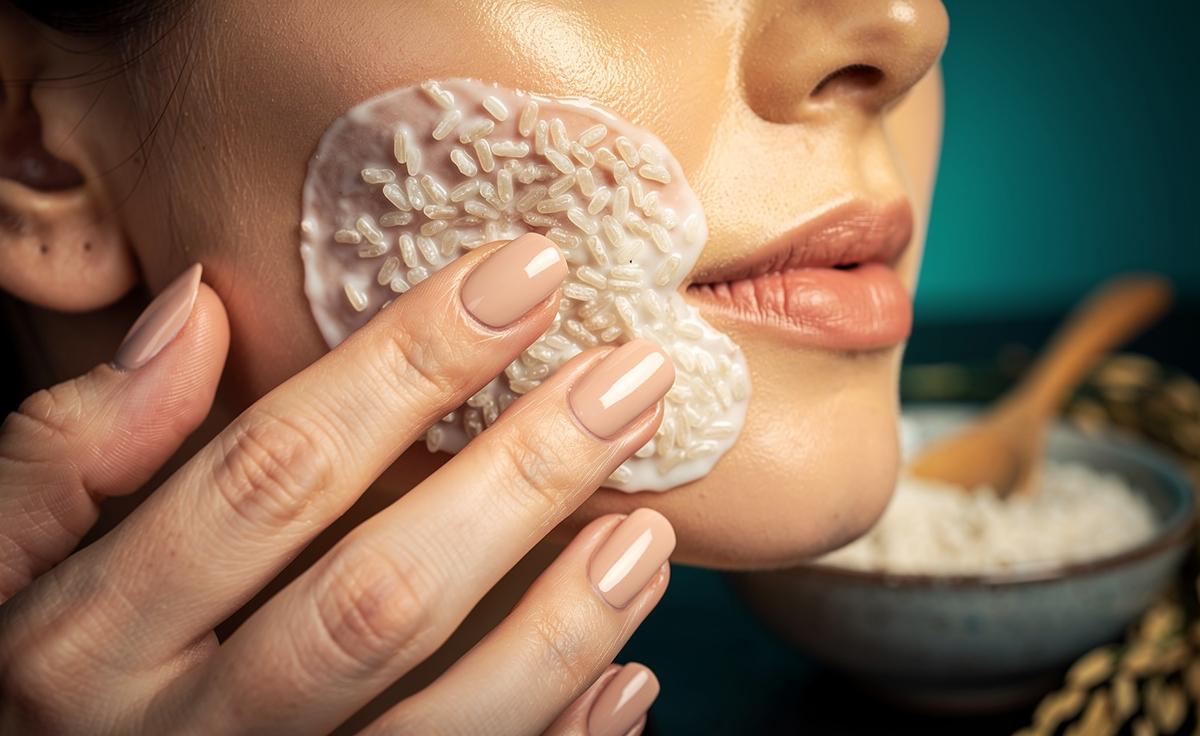
Across beauty labs and bathroom sinks, a quiet staple has returned to centre stage: the rice exfoliant. Once a kitchen commodity, rice’s fine grains now star in powder cleansers and polishes that promise to lift dullness without stripping skin. The appeal is twofold: it’s gentle enough for frequent use yet effective enough to reveal instant glow. As microbeads fade into history in the UK, biodegradable rice particles offer a tactile, planet-friendly polish. Here’s how the grains work, how to choose the right texture, and why precision—size, pressure, and frequency—matters more than brute force when you’re pursuing that hard-won, camera-ready radiance.
What Makes Rice an Effective Exfoliant
At the heart of a rice exfoliant is a delicate balance of mechanical buffing and naturally occurring actives. Rice bran and milled rice powders contain ultra-fine particles that skim over the skin’s surface, loosening spent corneocytes to reveal a smoother light-reflecting layer. Unlike harsh scrubs, these rounded micro-particles can be hydrated to soften their edges. Think of them as tiny cushions that roll rather than scrape, reducing the risk of micro-tears while still dismantling the film of oil, pollution, and dead cells that flattens your glow. This “low-friction” action is why rice is a go-to in J-beauty enzyme powders and modern powder cleansers.
Beyond texture, rice brings compelling chemistry. Phytic acid (a rice-derived AHA-like chelator) offers gentle brightening by binding dulling minerals, while gamma-oryzanol and vitamin E from rice bran add antioxidant support that helps defend freshly revealed skin. The starch fraction can soothe, tempering the post-polish tightness that many scrubs cause. The result is a rare combination: tactile exfoliation that behaves like a mild chemical polish. Used two to three times weekly, it promotes more uniform reflection—our eyes interpret that as “radiance”—without destabilising the barrier, provided the grains are truly fine and pressure stays featherlight.
From Pantry to Vanity: Choosing and Using Fine-Grain Powders
Not all “rice scrubs” are equal. For the face, look for micronized rice bran powder or a “rice enzyme” polish where the particle size is small and consistent; many premium blends sieve to under 150 microns to keep glide silky. Coarser ground rice flour can be useful for body areas like elbows but risks over-exfoliation on cheeks. When in doubt, test the texture between fingertips: it should feel soft, not sandy. Pair with a pH-balanced cleanser or water; avoid mixing with salt or sugar, which adds uncontrolled grit and can disrupt the skin’s acid mantle.
Application is everything. In the UK’s centrally heated winters, skin is often dehydrated; buffer your polish with a milk or gel cleanser to build slip. Massage with two to three fingers using circular motions for 20–40 seconds, then rinse tepid, not hot. Follow with humectants (glycerin, hyaluronic acid) and a ceramide-rich moisturiser. Daytime always ends with SPF, as freshly polished skin is more light-sensitive. Sensitive types should start once weekly; oilier complexions may tolerate thrice-weekly use, especially around the T-zone.
- Patch test first on the jawline for 24 hours.
- Use minimal pressure; let the slurry do the work.
- Skip on active flare-ups (eczema, open blemishes, or sunburn).
- Store powders airtight to avoid clumping and contamination.
Particle Size Matters: Why Grit Isn’t Always Better
We equate “scrubby” with “effective,” but skin science suggests the opposite. Smoother, smaller particles reduce shear stress on the stratum corneum, preserving barrier lipids and natural moisturising factors while still dislodging dead cells. Bigger, angular fragments can create invisible nicks that invite irritation, particularly on cheeks and around the nose. This is why premium rice powders are milled and sieved to tightly controlled sizes and often paired with soothing agents like allantoin or oat beta-glucan. The goal isn’t abrasion—it’s controlled sloughing that supports regular cell turnover and stable hydration.
Use the table below as a quick selector. It summarises how common rice-based textures feel on the skin, who they suit, and the trade-offs. Choose the smallest grain that achieves your goal within 30–60 seconds of gentle massaging. If you’re spending minutes scrubbing, you’ve chosen the wrong tool—or you’re applying too much pressure.
| Powder Type | Approx. Particle Size | Tactile Feel | Best For | Notes |
|---|---|---|---|---|
| Micronized Rice Bran | 50–100 µm | Silky, low-friction | Sensitive to normal skin | Contains phytic acid for gentle brightening |
| Rice Enzyme Powder | 100–150 µm | Soft polish, creamy lather | Dull, uneven texture | Chemical-mechanical hybrid; avoid eye area |
| Ground Rice Flour | 200–400 µm | Noticeably gritty | Body, resilient skin | Use sparingly; higher risk of micro-abrasion on face |
Pros vs. Cons: The Realities Behind the Radiance
On the plus side, rice scrubs deliver immediate payoff: instant smoothness, improved slip for makeup, and a clearer path for serums. They’re microbead-free and biodegradable—aligned with the UK’s microbead ban—so they’re kinder to waterways. Formulas that include rice bran oil or niacinamide add barrier support, making a rice polish an easy “reset” mid-week. Used consistently, fine grains help maintain brightness without the downtime of stronger acids, a comfort for sensitive or mature skin that rebels against daily AHAs.
There are caveats. Overuse can thin the stratum corneum, heightening reactivity; coarse grains may leave micro-tears; and if you’re on retinoids or have a compromised barrier, you must space applications. Those with active cystic acne should prefer leave-on BHAs to avoid spreading bacteria. Finally, DIY blends can be unpredictable in particle size and hygiene. Precision matters more than thrift when your face is concerned; if you do mix at home, sieve finely and use distilled water at the moment of application.
- Pros: Quick glow, biodegradable, adaptable slip, budget-friendly per use.
- Cons: Technique-sensitive, potential irritation if coarse or overused, not ideal for broken skin.
- Best practice: Light pressure, short contact time, diligent SPF.
Rice doesn’t shout; it quietly perfects. A fine-grain rice exfoliant offers a precise, sustainable route to radiance by blending tactile polish with gentle brightening chemistry. The trick is to respect the grain: choose the right size, keep the pressure whisper-soft, and frame the ritual with hydration and sun protection. Glow is the sum of small, consistent habits—not a single scrubby session. If you were to fine-tune one variable this month—particle size, frequency, or aftercare—which would you change first, and how would you measure the difference on your own skin?
Did you like it?4.5/5 (28)