In a nutshell
- 🌿 A rosemary infusion supports weak hair with rosmarinic acid and carnosic acid for antioxidant defense, gentle antimicrobial effects, and improved microcirculation—lightweight and ideal for fine, breakage‑prone strands.
- 🔬 Brew smart: use 2–3 tsp dried rosemary per 500 ml at 85–90°C for 15–20 minutes, cool fully, then apply as a post‑wash rinse with scalp massage; refrigerate and use within 24–48 hours.
- 📊 Evidence check: infusions are plausible for strengthening and scalp comfort, but not a regrowth cure; rosemary oil has stronger data yet more irritation risk—why “more concentrated” isn’t always better.
- ⚖️ Pros vs. cons: lightweight, budget‑friendly, antioxidant benefits vs. short shelf life and slower results; best for fragile hair and sensitive scalps—patch test if you have dermatitis or allergies.
- 🗓️ Two‑week plan: start mild in Week 1, increase to 3 tsp in Week 2 if tolerated; pair with hydrolysed protein conditioner, niacinamide/caffeine serum, and heat protectant; assess breakage, itch, and detangling at day 14.
In a beauty world crowded by bold claims and harder-to-pronounce bottles, the humble rosemary infusion is having a very British comeback. Not oil, not tonic, but a simple herbal tea for your roots—an old remedy reframed by new science. Follicles under stress from pollution, heat styling, and overwashing tend to produce thinner, more brittle strands. Rosemary’s polyphenols and aromatic terpenes offer a gentle counter: they soothe the scalp, shield proteins, and support microcirculation. The magic isn’t mystical—it’s botanical chemistry, brewed in a kettle. Here’s how to make the most of it, who stands to benefit, and why infusion strength and method matter more than hype.
How Rosemary Infusion Fortifies Weak Hair
At its core, a rosemary infusion delivers water‑soluble actives from Rosmarinus officinalis into a scalp-friendly rinse. Chief among these are rosmarinic acid and carnosic acid, potent antioxidants that help limit lipid peroxidation—the process that turns healthy scalp oils rancid, stressing follicles. Infusions also contain small amounts of 1,8‑cineole and camphor, aromatics linked with mild vasodilatory effects. Together, these properties support a scalp microenvironment that is calmer, cleaner, and better oxygenated. When the scalp is less inflamed and better perfused, fragile strands are less likely to snap and more likely to grow to their intended length.
There’s a hygiene angle too. Rosemary’s gentle antimicrobial activity can rebalance the scalp biome without the nuclear impact of harsh antifungals, reducing itch and flake that lead to scratching and breakage. Crucially, an infusion is water‑based—lighter than oil—so it won’t smother fine hair or weigh down weak shafts. Think of it as a pre-conditioning, post-wash toner for your follicles: a steady nudge toward resilience, not a miracle in a bottle.
Brewing It Right: Ratios, Temperature, and Contact Time
Extraction matters. Too hot and you scorch aromatics; too cool and you under-extract polyphenols. Aim for a controlled brew that captures the good stuff without bitterness or irritation. For everyday users, dried rosemary is consistent and affordable; fresh works, but potency varies with season.
| Ingredient | Ratio (per 500 ml water) | Water Temp | Steep Time | Use-By |
|---|---|---|---|---|
| Dried rosemary | 2–3 tsp (≈2–3 g) | 85–90°C (not boiling) | 15–20 minutes | 24–48 hrs refrigerated |
| Fresh rosemary | 2 small sprigs (≈6–8 g) | 85–90°C | 20–25 minutes | 24–48 hrs refrigerated |
How to apply:
- Shampoo as usual; gently towel-dry to damp.
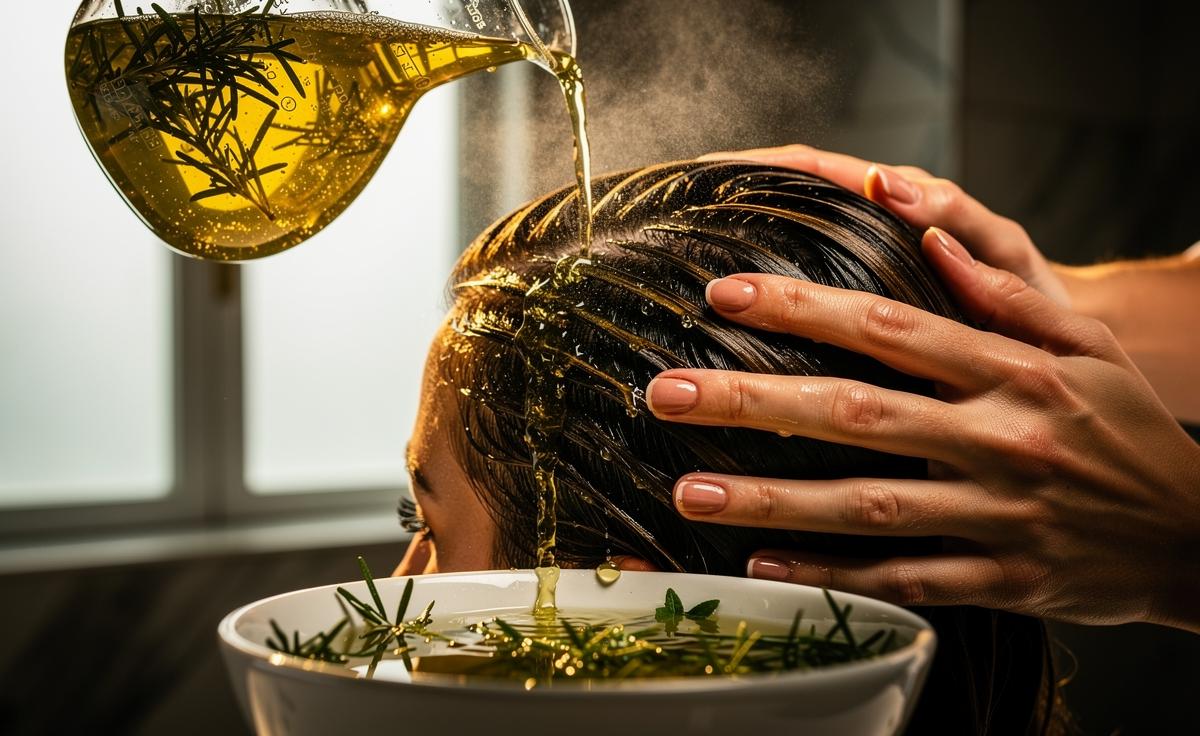
- Slowly pour the cooled infusion over scalp and lengths, catching runoff in a bowl to reapply 2–3 times.
- Massage for 60–90 seconds, then leave in or rinse lightly after 5 minutes.
Never apply a hot infusion to the scalp. If you prefer fragrance or extra slip, add 1 tsp aloe juice or glycerin per 250 ml. Avoid adding essential oil for leave-in use on sensitive scalps; oil increases irritation risk and is not necessary for daily strengthening.
Evidence, Limits, and Real-World Stories
Lab work consistently shows rosmarinic acid and carnosic acid quench free radicals and modulate inflammatory pathways relevant to hair-fibre integrity. Clinical literature is stronger for rosemary oil (with small trials suggesting parity with 2% minoxidil for some users over six months) than for plain tea. Translation: the infusion is plausible for strengthening and scalp comfort, but it’s not a guaranteed regrowth therapy. Why oil isn’t always better: heavier, more concentrated aromatics mean more risk of contact dermatitis and weighed-down roots—especially problematic for fine, weak hair.
In the salon chair, the pattern is often pragmatic. A London colourist told me her blonding clients who rinse with rosemary between toners report fewer snags and less mid‑shaft breakage after six weeks. My own test—two months, three rinses weekly—saw fewer broken hairs in the shower filter and improved shine on camera. Are these controlled trials? No. But the outcomes align with the mechanism: calmer scalp, reduced oxidative stress, better cuticle lay. The smart takeaway is consistency: gentle, repeated exposure beats occasional, mega‑strong brews.
Pros vs. Cons: Who Benefits and Who Should Be Cautious
Every remedy has trade‑offs. Here’s the quick calculus for a rosemary infusion versus stronger actives and oils.
| Pros | Cons |
|---|---|
| Lightweight; won’t weigh down fine or weak hair | Milder than oils; benefits accrue slowly |
| Antioxidant and soothing for irritated scalps | Short shelf life; must refrigerate and remake |
| Budget-friendly, kitchen-simple | Not a substitute for medical hair-loss treatment |
| Pairs well with most shampoos/conditioners | Potential for herb sensitivity (rare) |
Best candidates: those with weak, easily broken hair, buildup-prone scalps, or heat-styling habits. Caution: if you have a known rosemary allergy, active dermatitis, or use very strong exfoliating scalp tonics, patch test first. If irritation, warmth, or redness persists beyond 24 hours, stop. Pregnant users generally avoid concentrated essential oils; an infusion is far weaker, but check with a clinician if in doubt.
A Two-Week Starter Routine and Smart Pairings
Week 1 focuses on tolerance. Brew a 2 tsp/500 ml batch and use it three times: post-shampoo on Monday and Friday; midweek as a scalp mist. Track scalp comfort and shedding at the drain. Week 2 moves to optimisation: increase to 3 tsp if no sensitivity, and add 60 seconds of massage with your fingertips, not nails. Consistency matters more than concentration.
- Pair with a gentle, low-sulfate shampoo; avoid stripping cleansers that force the scalp to overproduce oil.
- For strength synergy, look for a conditioner with hydrolysed protein and a serum with niacinamide or caffeine.
- If you heat-style, apply a proven heat protectant; antioxidants can’t outpace 220°C plates.
- Once weekly, clarify with a chelating wash if you have hard water; minerals blunt shine and feel like “stiffness.”
Evaluate at day 14: less scalp itch? Fewer mid-shaft snaps? Better detangling? If yes, keep the schedule; if not, reduce strength, or use it as a final rinse only. You’re building a habit, not chasing a single dramatic before-and-after.
In the end, a rosemary infusion earns its place because it’s simple, cheap, and aligned with what fragile hair actually needs: less inflammation, cleaner cuticles, and a calmer scalp. It won’t rewrite your genetics, but it can tilt daily conditions in your favour—one kettle at a time. Ready to brew a batch, run your own two-week test, and see whether your brush, drain, and selfies tell the same story? What would you pair with it first: a protein-rich conditioner, a caffeine serum, or a change to your heat-styling routine?
Did you like it?4.6/5 (20)