In a nutshell
- 🧪 The scalp thrives at pH 4.5–5.5; mild acidification from yogurt’s lactic acid helps rebalance pH and deter Malassezia-driven flakes and itch.
- 🥛 Yogurt delivers probiotics and postbiotics (from Lactobacillus and S. thermophilus) that support barrier function, nudge pH, and calm irritation—an adjunct, not a replacement for drugs.
- 🧴 Use plain, live-culture yogurt: cleanse with a pH-balanced shampoo, apply 10–15 minutes, rinse, and repeat weekly; patch test first and avoid broken skin or recent chemical services.
- ⚖️ Pros vs. Cons: gentle, affordable, multi-mechanistic relief vs. potential sensitivity and variable culture viability; continue medicated shampoos for severe or inflamed dermatitis.
- 📊 Track results with photos and a 1–10 itch score over a 4-week period, and build a layered routine combining probiotic care, stress control, and pH-smart washing.
For decades, folk wisdom has recommended kitchen-cupboard fixes for stubborn dandruff and itch. Yogurt, in particular, has enjoyed star status — and not just because it feels cooling on a sore scalp. The science is catching up: a calmer scalp is linked to a balanced microbiome and a mildly acidic pH. Live-culture yogurt brings both probiotics and naturally occurring lactic acid, which can nudge that balance in your favour. Used thoughtfully, yogurt can complement—not replace—modern scalp care and help quiet flare-ups without harsh detergents. Below, we unpack how probiotics interface with scalp biology, what to expect from a yogurt mask, and where boundaries still matter.
What Happens to Scalp pH and the Microbiome
Your scalp thrives at a mildly acidic range of roughly pH 4.5–5.5. This acidity supports the lipid barrier and curbs overgrowth of opportunistic fungi such as Malassezia, a major driver of flaking. When pH drifts upward—after frequent alkaline shampoos, hard water, or sweat build-up—the balance between commensal bacteria and yeast tilts. The result can be more flakes, itch, and oil as the scalp overcompensates. Think of pH as the climate, and microbes as the wildlife; alter the climate and the ecosystem reorganises, sometimes unhelpfully. Restoring acidity helps protective bacteria reassert themselves and discourages the enzymatic activity that breaks lipids into irritant by-products.
Enter probiotics and gentle acids. Live microbes can produce short-chain fatty acids and bacteriocins that suppress troublemakers, while their metabolites help re-acidify the surface microenvironment. Lactic acid, present in fermented dairy, offers a subtle acidifying nudge without the sting of stronger exfoliants. It’s not about sterilising the scalp but steering it back to its natural, self-governing state. People often report that when pH is back in line, oiliness, tightness, and itching ease together. That’s the ecosystem, not a single silver bullet, returning to form.
| Factor | Effect on pH | Microbiome Impact | Takeaway |
|---|---|---|---|
| Alkaline shampoo | Raises pH | Favours Malassezia | Switch to pH-balanced formulas |
| Yogurt (lactic acid) | Lowers pH gently | Supports commensals | Use plain, live-culture varieties |
| Hard water | Alkalising residue | Disrupts barrier | Finish with an acidic rinse |
Why Yogurt and Probiotics Help
Yogurt is a compact delivery system for Lactobacillus and Streptococcus thermophilus, plus lactic acid and peptides formed during fermentation. On skin and scalp, these microbes are thought to work via “postbiotics”—the beneficial molecules they create—rather than colonising permanently. That’s good news: you don’t need permanent residency for a therapeutic effect. Small human studies on topical lactobacilli suggest improvements in barrier function, pH normalisation, and reductions in redness. For the scalp, the logic is similar: temper the environment and opportunists step back, allowing shedding to normalise.
It’s also a story of competition and signalling. Probiotic metabolites can acidify micro-niches around follicles, inhibit lipase activity that liberates irritating fatty acids, and teach resident microbes to play nicely via quorum-sensing interference. Meanwhile, lactic acid offers featherweight exfoliation that can loosen flakes without the abrasion of heavy scrubs. Importantly, yogurt is not an antifungal drug; it’s a gentle nudge that supports the scalp’s own checks and balances. In clinics I’ve visited across the UK, dermatologists increasingly discuss pH and microbiome-supportive routines alongside medicated care—especially for recurring, stress-triggered flare-ups.
- Key mechanisms: mild acidification, postbiotic signalling, barrier support, and reduced enzymatic irritation.
- Expectation setting: benefits are usually incremental over 2–4 weeks, not instant cures.
How to Use a Yogurt Mask Safely
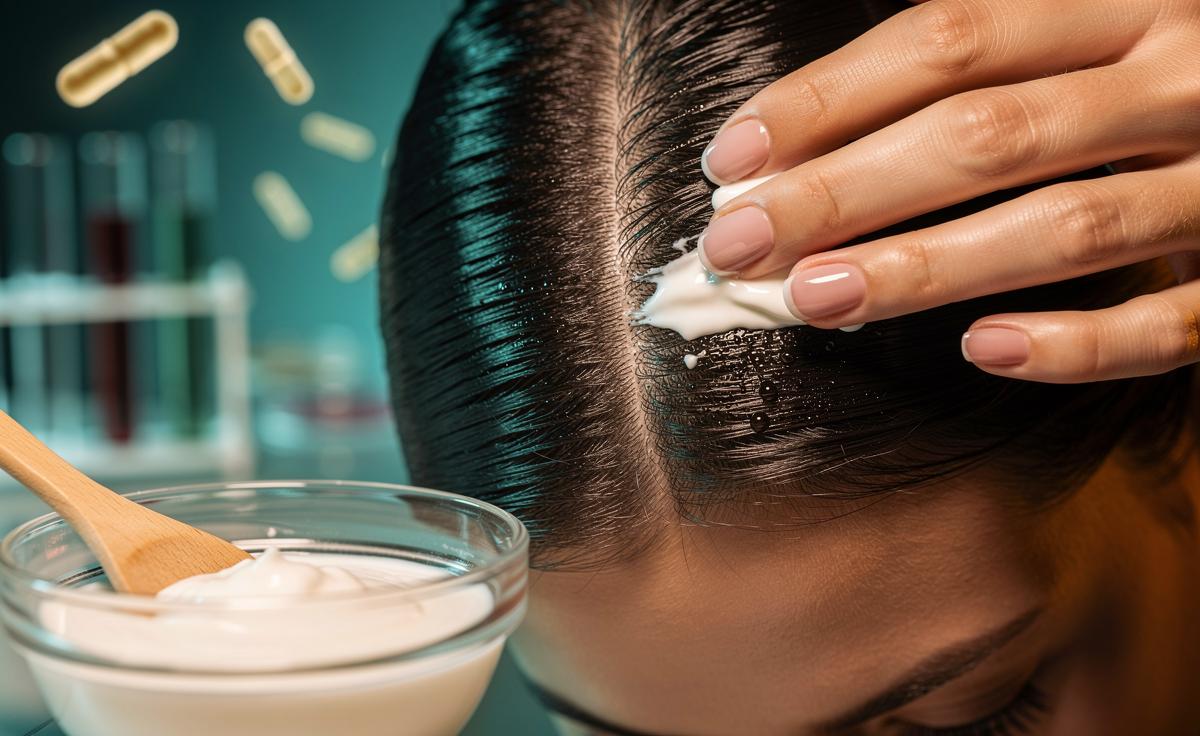
Choose a plain, unsweetened, live-culture yogurt—Greek or regular is fine; avoid flavours, sugars, and thickeners. Vegan options (e.g., coconut yogurt) can be used if they list live cultures. Patch test behind the ear for 24 hours if you have sensitive skin, seborrhoeic dermatitis, or a history of rosacea. Wash hair first with a pH-balanced shampoo to remove oils and create contact. Apply 2–3 tablespoons to the scalp in sections, focusing on itchy or flaky zones. Leave for 10–15 minutes, then rinse with lukewarm water and condition lengths only.
Frequency matters more than quantity. Start once weekly for four weeks, then reassess. If you’re using medicated shampoos (ketoconazole, selenium sulphide), alternate days to avoid over-stripping. More acid is not more effective; if tingling escalates to burning, rinse immediately. Avoid broken skin and recent chemical services (bleach, straightening) until the barrier feels settled. For extra slip, blend yogurt with a teaspoon of honey (a humectant with mild antimicrobial properties). Finish with gentle towel-drying—vigorous rubbing can reactivate itch by friction alone.
- Step-by-step: cleanse → apply yogurt → wait 10–15 mins → rinse → condition lengths.
- Schedule: 1–2 times weekly; reduce if sensitivity appears.
- Storage: make fresh; do not keep mixtures in the bathroom where they can spoil.
Pros vs. Cons: Where Yogurt Shines—and Where It Isn’t Always Better
On the plus side, yogurt is accessible, inexpensive, and works through multiple gentle pathways—acidification, postbiotics, light exfoliation, and moisturising peptides. A Brixton reader who trialled a weekly mask for a month reported less afternoon itching and fewer flecks on dark knitwear, backed by photos showing markedly cleaner partings. It’s a low-risk adjunct that can buy you comfort while medical treatments do the heavy lifting. It also pairs well with scalp-friendly habits: cooler showers, microfibre towels, and avoiding heavy silicones that trap yeast-feeding oils at the root.
But there are limits. Dairy proteins can trigger contact reactions in a minority, and not all supermarket tubs teem with viable cultures. Highly fragranced or sweetened yogurts are counterproductive. Severe, inflamed dermatitis still warrants medical-grade antifungals and a GP’s eye. Overuse can push pH too low, provoking stinging and barrier wobble. And viability varies: probiotics need to be alive at application to matter, which is why some people prefer cosmetic probiotics/postbiotics formulated for skin. In short, yogurt is a tool—useful, not universal.
- Pros: gentle, affordable, multi-mechanistic, easy to deploy at home.
- Cons: variable cultures, potential sensitivity, not a replacement for medicated care.
- Best fit: mild flaking/itch between flare-ups; maintenance after clinical treatment.
As scalp care evolves, probiotics offer a promising bridge between kitchen know-how and lab-grade dermatology. Yogurt, used with intent, can help restore the scalp’s acid mantle and calm microbial cross-talk so flakes and itch recede. The smartest routine is layered: pH-balanced washes, occasional probiotic support, stress management, and targeted medication when needed. If you try the yogurt route, track changes over four weeks with simple photos and a 1–10 itch score—then keep what works and drop what doesn’t. How will you design a scalp routine that balances science, comfort, and consistency in the weeks ahead?
Did you like it?4.4/5 (20)