In a nutshell
- ☀️ Dermatologists flag skipping daily sunscreen—even on cloudy, indoor, or winter days—as the single habit that accelerates ageing via year‑round UVA exposure through clouds and glass.
- 🔬 Photoageing mechanics: UVA sparks reactive oxygen species, activates MMPs that break down collagen and elastin, drives hyperpigmentation, and shortens telomeres, leading to wrinkles, sagging, and uneven tone.
- 🧴 Protection plan: Use broad‑spectrum SPF 30+ with solid UVA protection (UVA circle/PA), apply the two‑finger rule for face and neck, and reapply every two hours outdoors; consider tinted mineral formulas with iron oxides for visible‑light pigmentation.
- 🧯 Myths debunked: Clouds don’t block UVA, melanin isn’t a shield, makeup SPF is insufficient, vitamin D is still attainable, and application amount matters more than chasing higher SPF numbers.
- 🧭 Make it habit: A simple morning ritual—cleanse, antioxidant, sunscreen—plus hats and UV‑blocking sunglasses reduces cumulative damage and preserves smoother, brighter skin long‑term.
It’s rarely the dramatic choices that etch lines across our faces. It’s the quiet, repetitive ones. Dermatologists across the UK tell me the single habit speeding up visible ageing isn’t late nights or latte foam; it’s skipping daily sunscreen, particularly during “harmless” commutes, dog walks, and desk days by a window. Even in winter. Even in the shade. Up to 80% of visible facial ageing is attributed to cumulative ultraviolet exposure, a slow burn that roughens texture, deepens wrinkles, and stains skin with patchy pigmentation. If that sounds stark, it’s meant to. Because the antidote is boring, affordable, and staggeringly effective: a broad-spectrum sunscreen, used correctly, every single day.
The Habit Dermatologists Warn About
Ask any consultant dermatologist to name the biggest accelerant of skin ageing and you’ll hear a version of this: not wearing daily sunscreen, including on cloudy days, is the habit that ages you fastest. The logic isn’t complicated. UVA rays remain steady year-round, penetrate cloud and glass, and dive deeper into the skin, where collagen and elastin live. These are the scaffolding proteins that keep faces taut and resilient. Indoor workers with window seats are not exempt. Nor are drivers on the motorway, where asymmetrical sun damage on the window side is a classic clinical clue.
People reach for SPF on heatwave days or beach holidays. Everyday life is the real problem. Short, repeated exposures stack up. Ten minutes to the shop. Fifteen in the school run queue. A lunch eaten al fresco. Multiply by 300 days. That’s photoageing. Add in smartphones held inches from the face—some emit visible light that can worsen melasma—and you’ve got a modern accelerant. Broad-spectrum SPF 30+, reapplied as needed, neutralises most of this risk. It doesn’t need to be elegant. It needs to be there.
How Photoageing Works at the Cellular Level
Photoageing isn’t just a tan gone wrong; it’s biochemistry. UVA triggers reactive oxygen species, which scramble DNA repair and switch on enzymes called MMPs that chew through collagen like Pac‑Man. Once collagen fibrils are fragmented, skin sags sooner and wrinkles set deeper. Meanwhile, UVB is the sunburn culprit—more surface-level, but still capable of DNA mutations that lead to roughness, broken capillaries, and uneven tone. Over time, elastin is replaced by abnormal, clumped fibres (solar elastosis). The texture shifts: less spring, more crepe.
Melanin tries to help by absorbing radiation, but it’s not a shield; it’s a sponge that eventually leaks. Hence hyperpigmentation, sunspots, and post‑inflammatory marks lingering longer. Oxidative stress also shortens telomeres, the protective caps at the ends of chromosomes, nudging cells toward early senescence. That’s why “I don’t burn” isn’t a defence against ageing. Skin can avoid redness and still accrue damage that surfaces years later. The most effective interruptor? Daily, properly dosed sunscreen that blocks or absorbs both UVA and UVB before they ignite the chain reaction.
Daily Sunscreen: What to Use and How
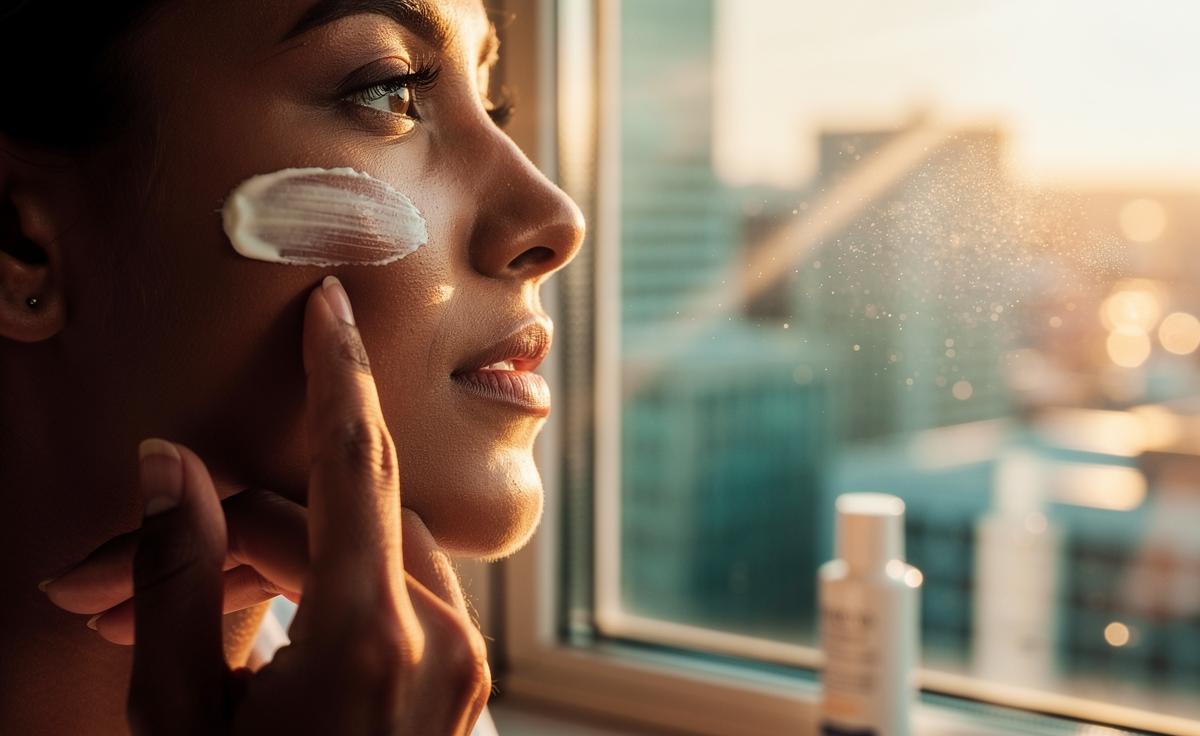
Your brief is simple: choose a broad‑spectrum sunscreen with SPF 30+ and solid UVA protection (look for the UVA circle symbol in the UK or a high PA rating). Apply enough—about two fingers’ length for face and neck—thirty minutes before exposure. Reapply every two hours outdoors, or after sweating and towelling. Most people use a third of the required amount, cutting protection down to single digits. That’s the pitfall. For indoor days, a morning application typically suffices unless you sit by a sunny window or head out at lunch.
Texture matters, because the “best” sunscreen is the one you’ll wear daily. Oily skin? Lightweight gels. Dry or sensitive? Creams with soothing filters. Visible light and hyperpigmentation concerns? Tinted mineral options with iron oxides can help. Here’s a quick guide to filter families:
| Type | Key Filters | Best For | Pros | Watch-outs |
|---|---|---|---|---|
| Chemical | Uvinul A Plus, Tinosorb S, Octisalate | Normal to oily skin | Sheer finish, easy layering | May sting very sensitive skin |
| Mineral | Zinc oxide, Titanium dioxide | Sensitive or reactive skin | Broad UVA coverage, gentle | White cast if untinted |
| Tinted Mineral | Zinc + Iron oxides | Hyperpigmentation concerns | Helps block visible light | Shade match can be tricky |
Common Myths That Keep People Skipping SPF
“It’s grey outside.” Clouds filter brightness, not UVA. Ageing rays remain consistent across seasons and slip through glass; that gentle daylight is exactly what etches fine lines. “I have melanin.” Darker skin is beautifully resilient against sunburn, but photoageing and pigmentation drift still occur, and skin cancer can be diagnosed later. Complexion is not a force field. “My makeup has SPF.” Not enough. You’d need implausible amounts of foundation to hit tested protection. Use a dedicated sunscreen, then makeup.
“Sunscreen blocks vitamin D.” In real life, people miss spots and rarely reapply perfectly; enough UVB leaks through for synthesis. If you’re concerned, ask your GP for a test and supplement safely. “SPF 50 is double SPF 25.” It’s not linear. SPF 30 filters ~97% of UVB; SPF 50 about 98%. The difference matters, but application matters more. And for the reef‑worried: choose modern filters with strong safety profiles, avoid aerosols near water, and remember the bigger environmental wins are shade, clothing, and staying out of peak sun. Consistency beats perfection, every time.
Dermatologists are refreshingly unanimous on this one. The habit accelerating your skin’s ageing is not protecting it from daily light. Build one ritual: cleanse, antioxidant, sunscreen. On repeat. Add a hat at noon and sunglasses that block UVA. Keep a travel-size SPF in your bag for top-ups. It’s small, almost boring. Yet the payoff is profound: smoother texture, steadier tone, fewer lines later, less anxiety at the mirror. So, tomorrow morning, before the coffee cools, will you make sunscreen the habit that quietly changes how your skin looks in five years—and how you feel in ten?
Did you like it?4.6/5 (25)