In a nutshell
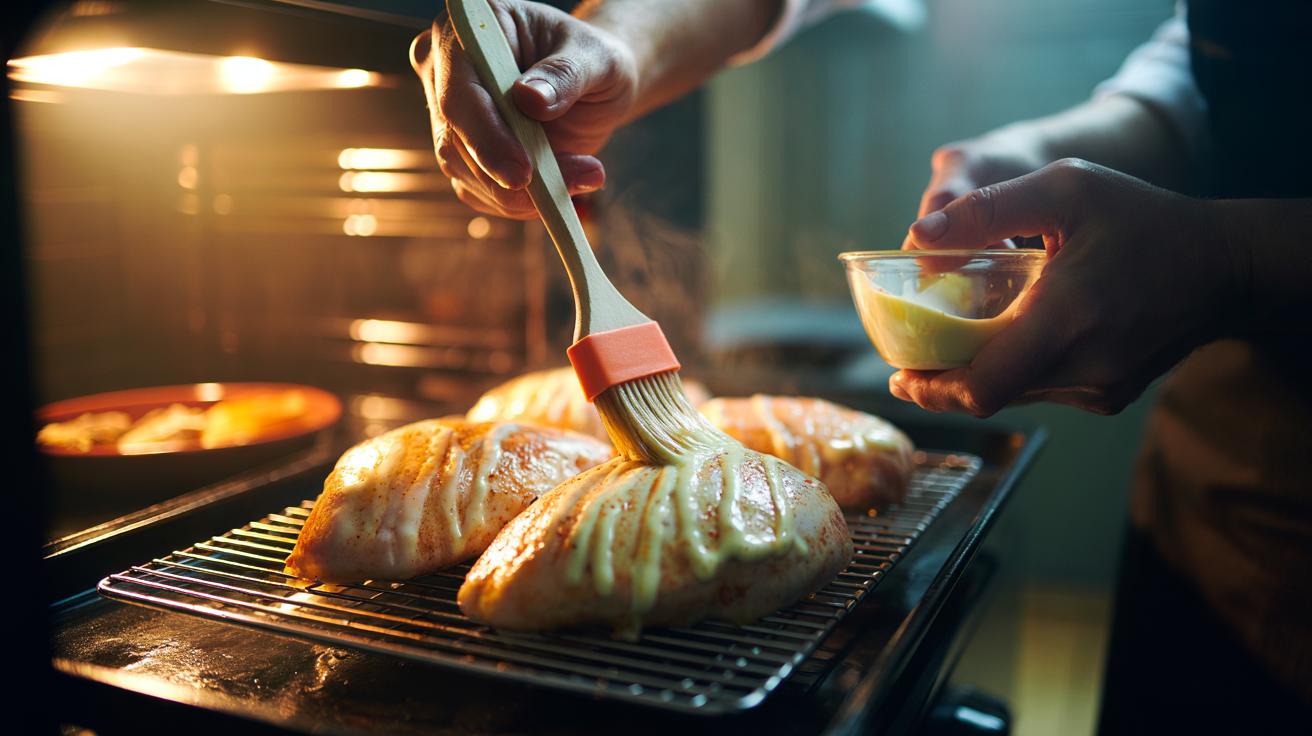
- 🍗 Mayonnaise coating creates a thin oil-and-egg barrier that enhances moisture retention, slows evaporation, and drives the Maillard reaction for a golden, flavour-packed crust.
- 🧂 Choose the right cut: lean breasts benefit most, while thighs and drumsticks become extra plush; mix spices and a touch of acidity into the mayo, using about 1 tbsp per 150–200 g and resting 20–60 minutes.
- 🔥 Use fail-safe methods: oven roast at 200°C (180°C fan), pan-to-oven for fast colour, or air fry at 190°C; a rack improves airflow and loose foil can control browning.
- ✅ Prioritise food safety: cook to an internal 75°C at the thickest point, then rest 5–7 minutes to redistribute juices and keep slices succulent.
- 🔬 Smart swaps: a quick coating comparison shows mayo outperforms yoghurt, butter, and plain oil for even browning, spice adhesion, and dependable juiciness.
British kitchens love a clever shortcut, and few are as effective as coating chicken with mayonnaise before cooking. It looks cheeky. It’s quietly scientific. A thin, even layer of mayo acts as a protective jacket, sealing in juices while encouraging a beautifully browned crust. That double win—moisture retention and deep flavour development—is why chefs swear by it for weeknight suppers and weekend roasts alike. A good coating prevents dry, stringy bites and nudges the meat to stay succulent from edge to centre. Add strategic heat, proper resting, and you’ll get reliable results without fuss, even if you’re juggling sides and a busy schedule.
How Mayonnaise Locks in Moisture and Drives Browning
Mayonnaise is an emulsion of oil, water, and egg. That structure is exactly what chicken needs. The oil forms a slick barrier that slows evaporation; egg proteins set gently, creating a delicate film; a little acidity tenderises the exterior. Together, these elements reduce water loss as heat climbs, especially in lean cuts like breasts. Thin, even coverage is your insurance against dry chicken. Too much and the coating can slip; too little and it won’t shield properly.
There’s a second payoff: browning. Oil in mayo conducts surface heat, promoting the Maillard reaction—the flavour-packed cascade that turns pale chicken golden and aromatic. Unlike butter, mayo doesn’t burn as readily at typical roasting temperatures, so you get longer, steadier browning. The result is a savoury crust that tastes as if you fussed with basting, when you didn’t.
Salt matters too. Pre-salting by mixing it into the mayo (or seasoning the meat beforehand) draws seasoning slightly inward as the coating sits. Even 20 minutes helps. An hour is better. Add garlic powder, smoked paprika, lemon zest, or miso to the mayo for extra depth. Keep the layer thin—about 1 tablespoon per 150–200 g of chicken—so it clings and caramelises rather than puddling.
The Best Cuts, Coatings, and Seasonings for Mayo Chicken
Thighs and drumsticks are forgiving; mayonnaise makes them plush. Breasts benefit even more because they’re lean. For boneless, skinless cuts, the coating replaces the protective role of skin, keeping fibres from squeezing out their juices under heat. Skin-on pieces still love mayo: it helps seasonings adhere and crisps the skin without scorching. Choose an even thickness or lightly butterfly thick breasts for consistent doneness.
Seasonings should be fat-friendly and aromatic. Try smoked paprika, garlic and onion powders, fennel seed, chilli flakes, or a lemon-pepper blend. Stir into the mayo rather than sprinkling on top; the emulsion distributes flavour evenly and prevents spice burn. A touch of acidity—lemon juice, vinegar, or mustard—brightens the finish. Herbs are welcome, but keep fresh ones for after cooking to protect their colour.
| Coating | How It Retains Moisture | Browning/Crust | Best For | Notes |
|---|---|---|---|---|
| Mayonnaise | Oil barrier + egg film slows water loss | Even, deep browning; won’t burn quickly | Breasts, thighs, tenders, schnitzel | Use 1 tbsp per 150–200 g. Mix in salt/spices. |
| Yoghurt | Lactic acid tenderises; light barrier | Mellow browning; tangy crust | Thighs, kebabs, marinades | Strain for thicker coat; watch for scorching at high heat. |
| Butter | Fat barrier, but burns faster | Rapid browning; risk of bitterness | Pan basting, finishing | Combine with oil or mayo to raise tolerance. |
| Oil | Basic barrier only | Good browning; less adhesion for spices | Quick sears | Add mustard or egg for cling. |
For the simplest win, stir 1 tsp salt, 1 tsp smoked paprika, 1/2 tsp garlic powder, and zest of half a lemon into 3 tbsp mayo for 4 small breasts. Spread thinly, rest 20–60 minutes in the fridge, then cook. You’ll taste the difference in every slice.
Fail-Safe Cooking Methods and Temperatures for Succulent Results
Baking is the most dependable route. Heat the oven to 200°C (180°C fan). Arrange mayo-coated chicken on a rack over a tray for air circulation. For breasts, roast 18–22 minutes; for bone-in thighs, 35–45 minutes depending on size. If edges darken too fast, tent loosely with foil for the first half, then uncover to finish. The foil mimics basting by trapping steam, while the final blast restores crispness.
Pan-to-oven is fast and fragrant. Sear mayo-coated chicken briefly in a hot, lightly oiled pan—about 2 minutes per side—then finish in a 190°C oven until done. The sear builds colour; the oven sets the centre gently. Air fryers shine too: 190°C, 12–16 minutes for breasts, 18–22 for thighs, turning once. The mayo reduces sticking and preserves juiciness in the fierce blast of air.
Food safety is non-negotiable. Cook chicken to an internal temperature of 75°C at the thickest point, then rest 5–7 minutes. Resting lets the hot juices redistribute, so cutting doesn’t flood the board and dry the meat. For sandwiches, roast a day ahead, chill, and slice—mayo keeps the texture plush even when cold. Leftovers reheat well at 160°C, covered, with a fresh dab of mayo to revive moisture.
When you “cover” meat with mayonnaise, you do more than spread flavour. You build a smart, microscopic raincoat that keeps precious juices inside until your fork breaks the crust. It’s quick, repeatable, and forgiving—ideal for midweek meals or a crowd-pleasing roast. Get the layer right, control the heat, and rest the meat, and chicken will stay tender every time. Which cut will you transform first—and what bold seasoning will you whisk into your mayo to make it unmistakably yours?
Did you like it?4.5/5 (21)