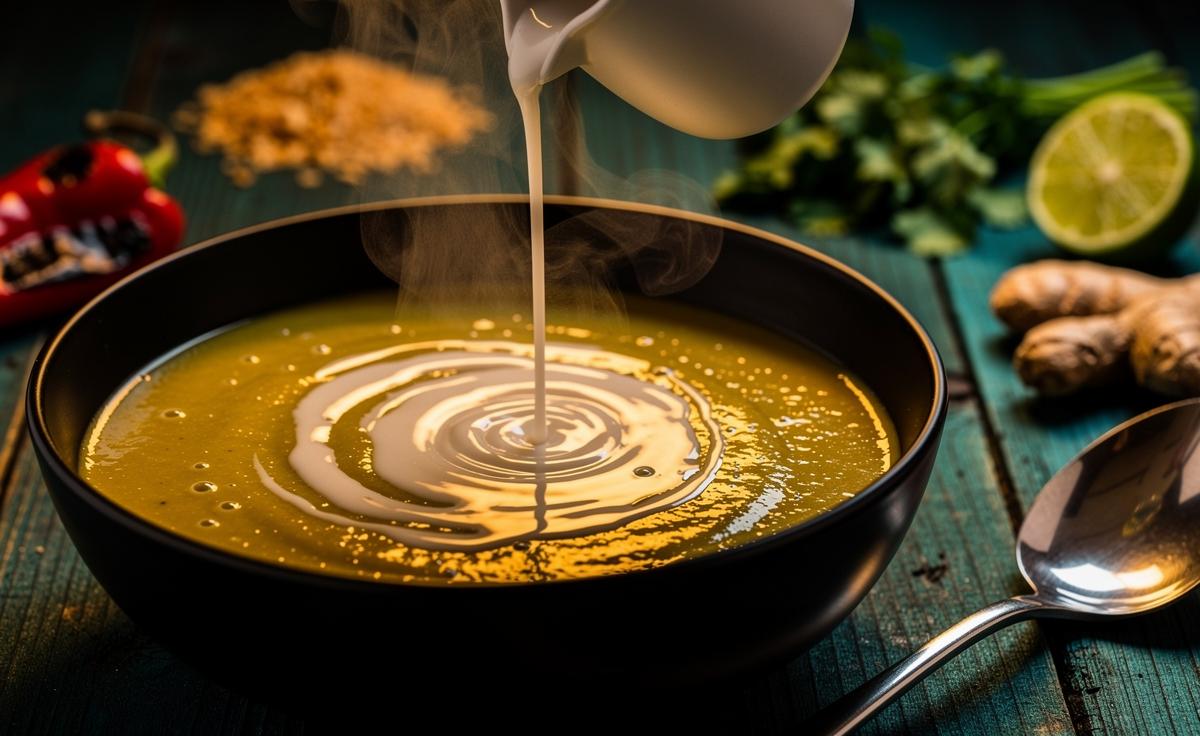
In a nutshell
- 🧪 Coconut milk’s fat droplets form a stable emulsion that scatters light and coats starches, delivering instant silkiness and amplified flavour in puréed soups.
- 🥫 Choose wisely: full-fat coconut milk (17–24% fat) for balanced velvet, coconut cream for luxe finishes, avoid sweetened cream of coconut; a touch of guar gum can improve stability.
- 🔧 Technique matters: blend veg first, then add warmed coconut milk off the boil; use gentle heat to prevent separation and add acid last to keep the emulsion intact.
- 🌶️ Flavour pairings shine with sweet roots and bold spices—think ginger, turmeric, cumin, lemongrass—and textural garnishes like toasted coconut or fried shallots for contrast.
- 🕒 Practical wins: quick, dairy-free, pantry-friendly tins bring weeknight luxury, play well with heat and spice, and deliver consistent, restaurant-ready results.
British cooks love a shortcut that still feels luxurious. Coconut milk delivers exactly that. Stir it into a thin vegetable purée and the texture turns sumptuous, almost instantly, without flour, roux, or long simmering. The effect isn’t magic; it’s physics meeting pantry pragmatism. Coconut milk’s high fat content and naturally occurring emulsifiers act fast, scattering light for a pearly look and coating starches for a plush mouthfeel. It is tolerant of spice, friendly with heat, and a reliable stand-in for dairy when guests bring dietary needs. This is why a tin can take a Tuesday soup from worthy to wow in one spoonful.
The Science Behind Instant Silkiness
When you pour in coconut milk, you add millions of microscopic fat droplets suspended in water. Those droplets behave like tiny cushions, reducing friction between puréed fibres and starch granules. Less friction equals less graininess on the tongue. Meanwhile, light bounces more diffusely through the soup, which is why the colour softens and the surface gleams. That optical shift is a hallmark of a well-formed emulsion.
Unlike dairy, coconut contains medium-chain saturated fats that solidify when cool and melt quickly when warm, creating an immediate sense of body without whisking or roux-building. Natural phospholipids and proteins in coconut help stabilise the emulsion, keeping droplets from pooling at the surface. Salt, spice oils, and aromatic compounds dissolve into the fat phase, which amplifies perceived flavour. That’s why ginger snaps brighter, and roasted squash tastes deeper, the moment coconut is blended in. Fat doesn’t just thicken; it carries flavour to your palate more effectively. Keep in mind, vigorous boiling can still force separation, so think gentle heat for lasting silk.
Choosing the Right Coconut Milk for Cream Soups
Not all tins behave the same. For true velvet, reach for full-fat coconut milk, typically 17–24% fat. “Light” versions have much less fat and more water, so they thin a soup unless reduced. Coconut cream is richer still and useful for finishing smaller batches or when you want decadence without long simmering. Avoid sweetened “cream of coconut” used for cocktails; it will hijack your seasoning. Read the label, and shake the can to recombine any separated cream before opening.
| Product | Approx. Fat % | Mouthfeel | Best Use | Notes |
|---|---|---|---|---|
| Full-Fat Coconut Milk | 17–24% | Silky, balanced | General cream soups | Most versatile; stabilises well |
| Light Coconut Milk | 5–8% | Thinner, lighter | Calorie-conscious bowls | May need reduction or starch |
| Coconut Cream | 24–35% | Luxurious, dense | Finishing, small batches | Use sparingly to avoid heaviness |
| Cream of Coconut | Varies | Sticky, sweet | Not for soups | Usually sweetened; avoid |
UK shoppers will find reliable options in most supermarkets and Asian grocers; consistency between brands varies. Choose cans with fewer stabilisers if you prefer a “cleaner” ingredient list, though a little guar gum can improve hold. For weeknight cooking, consistency beats romance—pick the brand that gives you repeatable results.
Technique: Heat, Timing, and Blending
Start by cooking your base—onion, garlic, aromatics—until soft and fragrant. Add vegetables, stock, and simmer until everything is tender enough to collapse under a spoon. Blend first. Creating a smooth purée before adding coconut milk stops overworking the fat droplets later. Then stir in warmed coconut milk off the boil. Gentle heat preserves the emulsion and prevents oily separation.
Season in layers. Salt early for depth, but add acid—lime, lemon, a dash of cider vinegar—after the coconut is in, tasting as you go. Too much acid at high heat can destabilise the emulsion, producing a faintly “curdled” look even if the flavour holds. If you need extra body, reduce uncovered for a few minutes or whisk in a spoon of coconut cream rather than flour. A stick blender gives a final polish right before serving, tightening the texture without aerating. Think low, slow, and short pulses—the velvet arrives quickly and stays.
Flavour Pairings and Regional Twists
Coconut milk flatters earthy veg and bold spices. Carrot, butternut, sweet potato, parsnip, red pepper, tomato—each gains dimension when a fat-rich liquid rounds sharp edges. In spice terms, ginger, turmeric, cumin, coriander, garam masala, and curry leaves are natural allies; so are lemongrass and lime leaf for Southeast Asian angles. For protein, red lentils melt into the blend, adding body without dairy. The rule is simple: pair sweetness with heat and a bright finish.
Try a roasted cauliflower soup scented with smoked paprika and a squeeze of lemon. Or blitz charred red peppers with coconut milk, chilli, and a whisper of sherry vinegar for a tapas-style bowl. Add miso for umami, or peanut butter for Ghanaian-inspired depth. In British kitchens, a splash of apple juice can balance root veg, while a drizzle of chilli oil gives a modern bistro gloss. Garnish matters: toasted coconut flakes, fried shallots, or chopped herbs provide contrast, making the silk feel intentional rather than heavy. Layer texture on top of texture, and the bowl sings.
Coconut milk doesn’t just imitate dairy cream; it rewrites the script for speed, texture, and flavour delivery. The science is sound, the technique forgiving, and the results look restaurant-ready with minimal fuss. Keep a few tins in the cupboard, choose the right fat level, and treat heat with a light touch. Then let aromatics do the heavy lifting. In a cost-conscious, time-poor Britain, that’s the rare kitchen win that tastes like a treat. Which flavour pairing will you try first to turn a simple purée into a bowl of silk?
Did you like it?4.3/5 (26)