In a nutshell
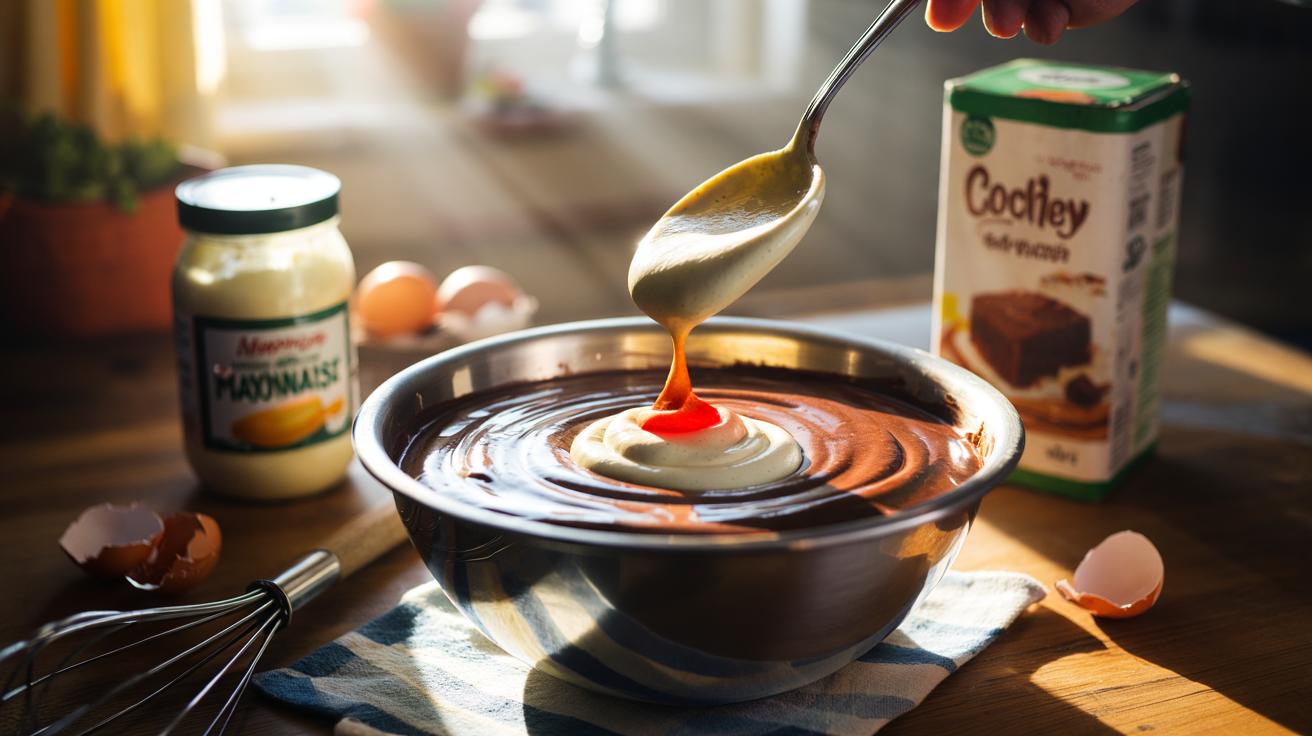
- 🍰 Adding mayonnaise to a boxed cake mix delivers a plush, moist crumb and extended freshness without changing the cake’s flavour.
- 🧪 The science: mayo’s emulsion of oil, egg yolk lecithin, and mild acid disperses fat evenly, limiting gluten and improving hydration for a tender texture.
- 🥄 Practical ratios: use 2–3 tbsp as a boost, or replace up to 50% of the oil with mayo; stick to neutral, full‑fat (vegan mayo can work too).
- 🎯 Proven benefits: cleaner slices, richer mouthfeel, and cakes that stay soft 24–48 hours longer—especially effective for chocolate and spice cakes.
- 🛠️ Troubleshooting: if dense, reduce mayo and add a splash of milk; if greasy, substitute mayo for part of the oil rather than adding extra; avoid overmixing and verify oven temperature.
Home bakers love a shortcut that genuinely delivers. Adding a spoon or two of mayonnaise to a boxed cake mix sounds eccentric, even a little mischievous, yet it’s a trick pastry chefs quietly approve. The result? A cake with plush crumb, refined tenderness, and enduring moisture. No complicated swaps. No specialist kit. Just a humble condiment doing heavy lifting in your batter. This is not about tasting mayo in cake; it’s about harnessing its structure to transform texture. In UK kitchens where time and budgets are tight, that reliability matters. Once you try it, you may never bake a mix straight again.
The Science Behind Mayonnaise in Cakes
Why does mayonnaise make cakes so tender? Start with its anatomy: a stable emulsion of oil, egg yolks, and a little acid (typically vinegar or lemon). Egg yolks contain lecithin, a natural emulsifier. It helps fat disperse microscopically through the batter, coating flour particles more evenly than oil alone. That coating limits gluten development, yielding a soft, moist crumb. At the same time, the oil boosts richness while the mild acidity subtly weakens gluten strands and brightens flavours. The emulsion behaves like a precision tool, directing fat and water to the right places at the right moments of baking.
There’s more. Mayonnaise improves hydration, so the batter holds onto moisture during the oven’s drying heat. Cakes often stale as starch retrogrades; extra fat and a well-dispersed emulsion slow that process, keeping slices supple for days. Chocolate cakes, in particular, gain a silkier bite because cocoa can be drying. With mayo, the structure remains robust but not rubbery, the crumb cohesive but not dense. It’s simple chemistry, neatly packaged in a jar from the supermarket shelf.
How to Add Mayonnaise to a Boxed Cake Mix
The method is pleasantly straightforward. For most 425–500 g UK cake mixes, whisk the dry mix as directed, then add the listed eggs and water. Stir in 2–3 tablespoons of mayonnaise as a booster, or replace up to half the oil with the same amount of mayo. Mix until just combined; no overbeating. The batter should look glossy, not heavy. If it thickens too much, loosen with a tablespoon of water or milk. Room-temperature ingredients combine more smoothly, helping the emulsion do its best work.
Use a neutral, full-fat mayo for consistency. Reduced-fat versions can work but may alter richness; vegan mayo with a strong stabiliser base also performs well. Below is a quick guide you can pin to your fridge.
| Option | Ratio | What It Replaces | Expected Effect | Best For |
|---|---|---|---|---|
| Standard Boost | 2–3 tbsp mayo | Nothing | Softer crumb, extra moisture | Any flavour |
| Oil Swap | Replace 50% of oil with mayo | Oil | Richer taste, tighter crumb | Chocolate, spice |
| Water Adjustment | 1/4 cup mayo + reduce water by 2 tbsp | Part of water | Velvety mouthfeel, less dryness | Vanilla, red velvet |
| Emergency Hack | 1–2 tbsp mayo if eggs are small | — | Improved structure, moisture insurance | Budget mixes |
Bake as directed, checking a few minutes early; richer batters can set faster around the edges. Leave to cool in the tin for 10 minutes, then move to a rack. Patience here prevents steam from making the base soggy.
Flavor, Texture, and Myths Debunked
Will your cake taste like a sandwich? No. Mayonnaise disappears into the batter, leaving behind moisture and a whisper of tang that lifts chocolate, spice, and red velvet. In vanilla cakes, that tang reads as brightness rather than acidity. Expect a fine, even crumb that slices cleanly and holds frosting without crumbling. In side-by-side tests, mayo cakes often stay tender 24–48 hours longer than standard oil-only mixes. Most tasters can’t identify the ingredient, but they notice the improved texture immediately.
Compared with sour cream or yogurt, mayo is less likely to curdle and more consistent across brands because its emulsion is already stabilised. It’s also shelf-stable and economical, which suits quick bakes before school fairs and office birthdays. Myths persist: raw egg risk? Baking neutralises that. Greasiness? Only if you overdo it; measure conservatively. Curiosity about vegan mayo? Many perform admirably, though some brands add sweetness—read the label. The headline remains the same: a small spoonful yields a striking upgrade with hardly any effort.
Variations and Troubleshooting for Home Bakers
Want to push the idea further? Fold in a tablespoon of cocoa with mayo for deeper chocolate resonance, or a shot of espresso to intensify bittersweet notes. For citrus mixes, a teaspoon of zest plus mayo creates a plush crumb that carries fragrance beautifully. Use neutral mayo for fruit cakes, but in spice cakes, a slightly tangier brand plays well with cinnamon and nutmeg. Aim for balance: the mayo should support, not star in, the flavour profile.
Common hiccups are easy to fix. Cake too dense? Reduce mayo by a tablespoon and add 1–2 tablespoons of water or milk next time. Greasy top? You likely doubled fat; substitute mayo for part of the oil rather than adding it outright. Sunken centre suggests overmixing or a cool oven—mix just to combine and verify temperature with an oven thermometer. Store leftovers covered at room temperature for two days; the mayo stretch keeps slices plush. For longer keeping, refrigerate, then let slices come to room temperature to restore softness. The best measure of success is the next-day crumb—still soft, still satisfying.
In a world of flashy baking hacks, this one is quietly brilliant: a spoonful of mayonnaise adds structure, moisture, and longevity to any cake mix with near-zero faff. It’s science and thrift in one jar, perfect for weeknight puddings or big celebration layers. Once you taste the improvement—clean slices, tender crumb, fuller flavour—you’ll understand why professionals keep this trick close. It’s the simplest way to make a mix taste bakery-level. Will you try the mayo method on your next chocolate or vanilla bake, and which ratio will you test first?
Did you like it?4.4/5 (21)