In a nutshell
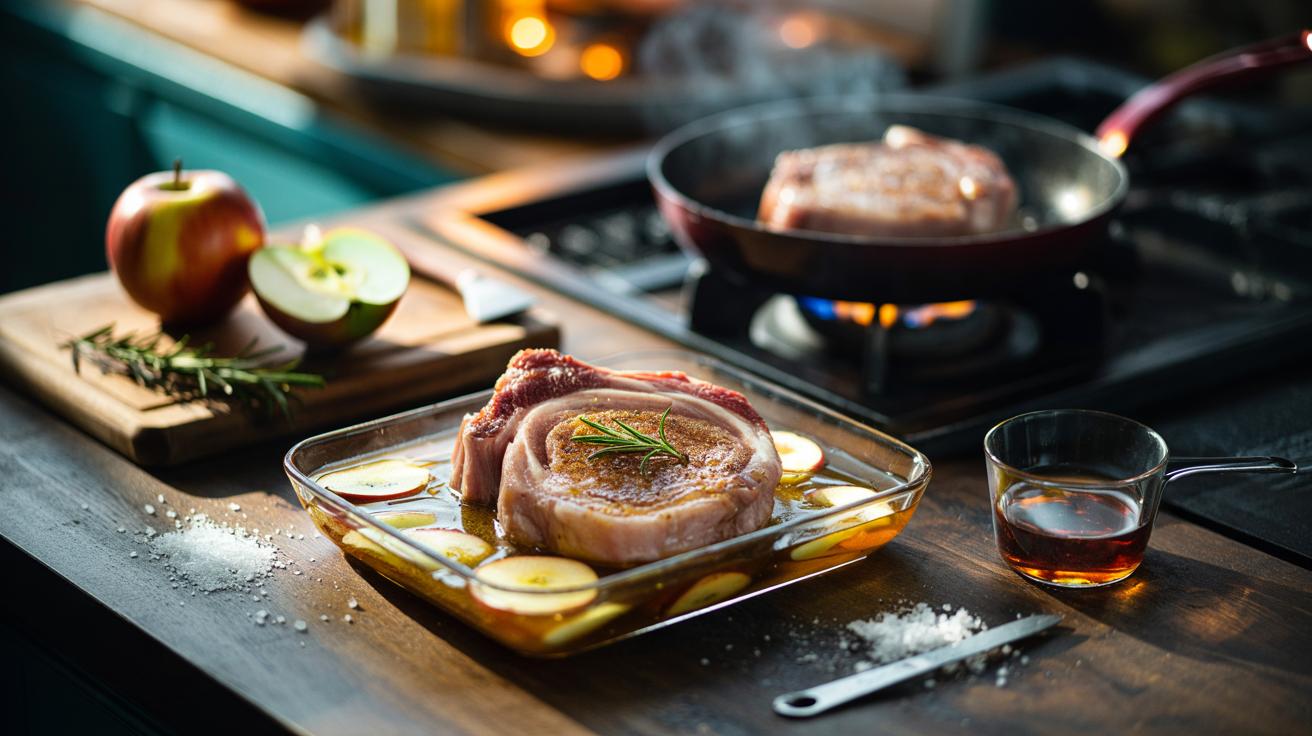
- 🍎 Apple juice’s malic acid, natural sugars, and a pinch of salt create a fast “express brine” that boosts juiciness and turbocharges Maillard browning in just hours.
- 🧪 Build a quick brine: 2 parts apple juice : 1 part water with 1.8–2.2% salt; add a touch of soy/garlic, and reserve a clean portion to reduce into a glossy glaze.
- ⏱️ Time by cut: pork chops 2–6 h, chicken thighs 1.5–4 h, flank/skirt 45–120 min; choose the shorter end to avoid soft exteriors and excess sweetness.
- 🔥 Sear smart: pat dry, use medium-high then finish hot, employ a two‑zone grill or cast iron, and glaze in the last minute; hit safe temps (e.g., 65–68°C pork, 74°C chicken).
- 🥗 Balance and tweak: keep acidity moderate, finish with flaky salt or lemon, and pair with bitter greens; the magic is surface seasoning, diffusion, and controlled heat.
Weekend cook or weeknight improviser, you can coax astonishing savoury depth from everyday cuts without an overnight wait. The trick is humble apple juice. Its blend of malic acid, gentle sweetness, and aromatic compounds turns a basic soak into a flavour elevator, fast. Pair it with a touch of salt and the right timing and you’ll get meat that sears beautifully, stays juicy, and tastes bright yet rounded. Short marinades can deliver big flavour when the chemistry favours quick diffusion and surface transformation. Here’s why it works in hours, not days, and how to harness that speed for pork chops, chicken, and even beef.
The Science Behind Apple Juice Marinades
Apple juice is quietly powerful. It brings malic acid (typically pH 3.3–4.0), a clean, mouth-watering tang that nudges proteins on the meat’s surface to denature and hold on to moisture. It also carries fructose and glucose, fast-reacting sugars that turbocharge Maillard browning and light caramel notes when heat hits the pan or grill. Add a measured dose of salt and you create an “express brine”: salt ions move rapidly into the outer centimetre, seasoning deeply enough for noticeable impact while helping muscle fibres retain water.
Why hours, not overnight? Flavour molecules are small; they diffuse quickly into the exterior but struggle to travel far into dense muscle. That’s fine. The goal isn’t to perfume the centre but to engineer a well-seasoned, high-impact crust and a juicier bite. Apple juice also contains volatile esters and polyphenols that cling to fats on the surface, meaning the aromas stick where your palate is most sensitive: the browned layer. Keep the acidity moderate and you avoid mushy textures while still landing brightness and balance.
Building a Fast-Acting Apple Brine
Think in ratios, not recipes. For rapid, repeatable results, aim for a total liquid with 1.8–2.2% salt by weight. That’s roughly 18–22 g fine salt per 1 litre of liquid. Mix 2 parts apple juice to 1 part water, then dissolve the salt. Optional but effective: 1–2% soy sauce for umami, a pinch of ground black pepper, and a crushed garlic clove. Salt is non-negotiable; it’s the driver of moisture retention and real depth. The apple juice supplies tang, sugar, and aroma; water reins in sweetness to prevent scorching.
For a quick glaze, reserve 150 ml of the fresh mixture (untouched by raw meat) to simmer later with a knob of butter. The main batch handles the marinade. Submerge chilled meat in a shallow dish or zipper bag, displacing air. Refrigerate. Stir or turn once if you like. Before cooking, pat very dry to avoid steaming and to control browning. If you crave extra fragrance, brush a spoon or two of the reserved reduction during the final minute of cooking. The result? Clean fruit brightness without sticky, over-sweet edges.
Timing by Cut: What Works in Hours
Different cuts, different clocks. Thinner pieces benefit fastest; thicker ones need a little more time for salt to season the outer layer. The aim is a juicy interior and a savoury, high-colour crust, not a sugar-burnt exterior. Use the guide below, then tweak to taste and thickness.
| Cut | Approx. Thickness | Marinade Time | Salt % (total liquid) | Notes |
|---|---|---|---|---|
| Pork chops (loin/rib) | 2–3 cm | 2–6 hours | 2% | Classic apple pairing; excellent colour. |
| Chicken thighs (boneless) | 1.5–2 cm | 1.5–4 hours | 2% | Juicy, forgiving; crisp skin if patted dry. |
| Beef flank or skirt | 1–2 cm | 45–120 minutes | 1.8% | Go shorter; keep apple subtle. |
| Pork shoulder steaks | 2–3 cm | 3–6 hours | 2% | Fat loves fruit acids and sugars. |
If in doubt, choose the shorter end of the window—surface flavour concentrates quickly. Very long soaks can over-soften the exterior and intensify sweetness. Always marinate in the fridge, not on the counter. If you want to baste with used marinade, boil it hard for at least one minute to render it safe, or better, use a clean reserved batch for glazing.
From Marinade to Heat: Browning Without Burning
High heat rewards good prep. Remove meat from the marinade, then pat dry thoroughly—paper towels are your friend. A slick of neutral oil assists heat transfer and prevents sticking. Because apple juice carries fast-reacting sugars, manage your sear: start over medium-high, not roaring-hot, then build to a finishing blast. On a grill, use two zones. On the hob, think cast-iron and patience. Dry surface equals crisp crust; wet surface equals steam and pallor.
For glazing, reduce your clean reserved apple mixture to syrupy threads; brush lightly in the final minute to lacquer without scorching. Target internal temperatures with a thermometer—65–68°C for juicy pork chops, 74°C for chicken thighs, medium for beef as preferred. Rest briefly to let juices redistribute. A final sprinkle of flaky salt or a squeeze of lemon sharpens edges and keeps sweetness in check. Serve with bitter greens or a mustardy slaw to balance. You’ll get snap, shine, and that unmistakable orchard-perfumed aroma rising from the plate.
Apple juice marinades are fast, friendly, and quietly technical: a balance of acid, salt, and sugar that makes everyday meat sing. Keep the salt precise, times short, and heat controlled, and you’ll bank reliable weeknight wins with weekend-level flavour. The magic isn’t myth; it’s diffusion and browning working on your side. Ready to test your own twist—perhaps a splash of cider vinegar, a dusting of chilli, or a rosemary sprig—and see how the clock and the cut change the result? What will you marinate first, and how will you measure your perfect sweet-savoury balance?
Did you like it?4.4/5 (23)