In a nutshell
- 🧪 Milk’s chemistry: lactose and proteins drive gentle Maillard reactions, delivering an even golden sheen without the brittle crust of an egg wash.
- 🥛 Choose smart: whole milk for richer gloss, semi-skimmed for lighter colour, barista-style oat milk as a strong vegan stand-in; tweak with a touch of honey, sugar, or cream as needed.
- 🖌️ Technique first: use a soft pastry brush, avoid pooling at seams, apply just before baking, consider a light second coat; target 190–205°C for pies and 175–190°C for enriched rolls.
- 🧰 Fixes and comparisons: cure pale tops with a slight heat bump or a pinch of sugar; stop streaks by wringing the brush; switch to an egg wash for glassier shine when theatre is the goal.
- 🌟 Payoff: a low-risk, inexpensive step that consistently elevates breads and pies—think of milk as the baseline wash you can adapt to house style and taste.
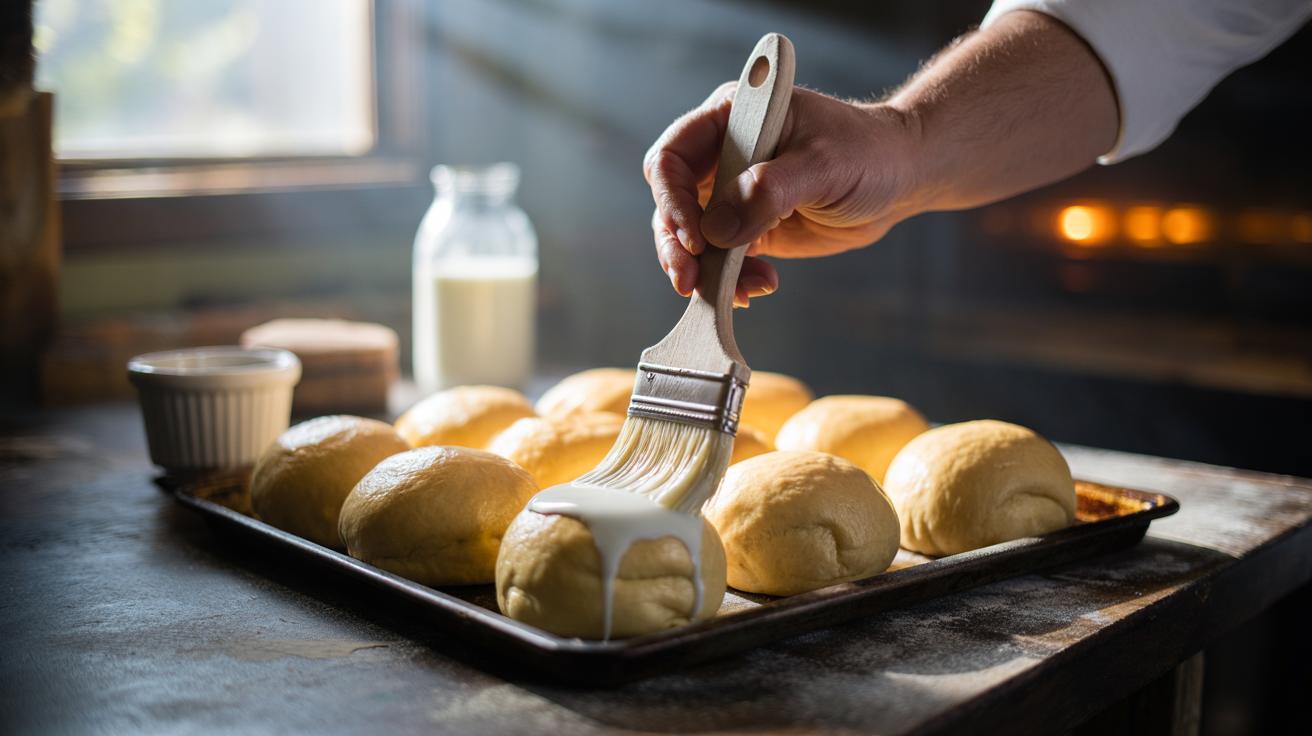
Milk is the quiet hero of bakery sheen. One soft brush across raw dough and the oven does the rest, transforming pale buns and pies into burnished beauties. Bakers like its reliability: lactose and milk proteins brown gently, leaving a smooth, even gloss that reads appetising, not lacquered. It’s quick, cheap, and forgiving. For home cooks and professionals alike, a milk wash offers effortless glamour with scarcely any risk. Unlike an egg wash, it rarely streaks. Unlike sugar syrups, it doesn’t turn sticky. If your goal is warm colour and subtle shine, milk is the most understated tool in the tin.
Why Milk Makes Dough Shine
Milk’s magic rests on chemistry. As heat rises, lactose and whey proteins drive flavour and colour through gentle Maillard reactions, while minimal fat adds a soft gleam without the high-gloss of egg. The result is a balanced, golden finish that flatters enriched doughs, shortcrust lids, and savoury rolls. This is the wash that whispers bakery, not patisserie window—approachable, warm, and evenly browned. Because milk contains less protein than egg, it won’t harden the crust or make it brittle, a boon for rolls you want tender and for pies where the flakes should shatter cleanly rather than crack.
There’s more at play. Milk’s water content hydrates the dough surface, smoothing rough patches so the oven heat browns evenly. Tiny sugars caramelise at lower temperatures than table sugar, meaning colour develops even in moderate ovens. Consistency matters, too: a thin liquid carries evenly over nooks, crannies, and scoring. That’s why milk is a go-to for braids, crescents, and intricate laminations where a heavy wash would pool, stain, or seal layers you actually want to lift.
Choosing the Right Milk and Add-Ins
Whole, semi-skimmed, or plant-based? Each brings a different finish. Whole milk produces a slightly richer gloss due to its fat, lending brioche and challah a mellow, café-window sheen. Semi-skimmed gives a lighter look—ideal for scones, soda bread, and savouries where you want colour without noticeable gloss. If dairy is off the table, barista-style oat milk is the best understudy, as added proteins help browning and mimic dairy’s gentle shine. Lactose-free milk still browns, though sometimes a shade paler; a pinch of sugar (just a pinch) restores depth without tipping into stickiness.
Customise when you need a nudge. A drop of honey or invert syrup deepens colour and adds subtle aroma—perfect for buns. A tiny splash of cream rounds gloss for pie lids, though too much fat can dull colour. Add a grain of salt to sharpen flavour on savoury pastries. Keep it light: heavy add-ins leave streaks and can seal vents. The rule is simple—thin enough to flow, robust enough to brown. If in doubt, dilute thick milk 1:1 with water for even coverage that resists patchiness, then adjust in your next bake.
Application Technique: From Brush to Oven
Technique wins the shine. Start with well-proofed dough or a chilled pastry top. Load a soft pastry brush lightly and work from the centre out to the edges, sweeping in quick, overlapping strokes. Avoid pooling at seams and in scoring—pooled milk steams, lifts layers, and bakes into pale patches. For seeded finishes, brush milk first, sprinkle toppings, then give the gentlest final kiss of milk to lock them in place. On laminated pastries, skim the surface only; heavy pressure compresses layers and dulls lift.
Timing is crucial. Brush just before the tray hits the oven so the milk doesn’t soak in and vanish. For deeper colour on sturdy breads, apply a first coat, allow one to two minutes to settle, then add a second thin coat. Bake on the middle rack with good airflow; crowded trays trap steam and mute browning. Pair with the right heat: 190–205°C brings even colour to pies, while enriched rolls love 175–190°C to prevent the sugars from racing ahead of the crumb. When bakes emerge, let them stand a moment: the sheen settles as surface moisture flashes off into a quiet gloss.
Troubleshooting and Comparing Washes
Dull finish? Your oven might be damp or overfilled; reduce steam or space trays. Pale tops with dark bottoms often mean low sugar in the wash or an oven that’s too cool—bump heat by 10°C or add a whisper of sugar. Streaks signal an overloaded brush; wring it out and try a finer bristle. If a flaky pie turns leathery, you’ve pressed too hard or over-brushed the edges, sealing layers and slowing lift. For a glassier shine than milk can offer, step up the protein—an egg wash—or blend a teaspoon of milk into beaten egg for control.
| Wash | Shine | Colour | Best For |
|---|---|---|---|
| Milk | Soft, even | Golden to deep gold | Rolls, pies, scones, enriched doughs |
| Egg | High gloss | Deep, fast browning | Braids, decorative crusts, show bakes |
| Cream | Velvety | Moderate browning | Pie lids, enriched pastries needing tenderness |
| Plant Milk (Oat) | Light gloss | Good, steady browning | Vegan bakes, everyday rolls |
Think of milk as the baseline: consistent, approachable, adaptable. You can amplify it with a trace of sugar, edge it towards velvet with cream, or switch to egg when theatre is the goal. But for weeknight buns and weekend pies, milk’s quiet chemistry is the easiest path to that covetable golden glow.
A milk glaze is a tiny step with outsize returns, and it’s mercifully low-risk. One bowl, one brush, a minute of attention. The reward is bakery-shop colour and a finish that flatters sweet and savoury alike. Keep records—milk type, add-ins, oven shelf, temperature—and you’ll hone a house style in a few bakes. When your crusts glow, everything else on the plate looks better. What will you glaze first: gently sweet breakfast rolls, a lattice-topped apple pie, or a batch of savoury buns that snap under the teeth and shine under the lights?
Did you like it?4.3/5 (21)