In a nutshell
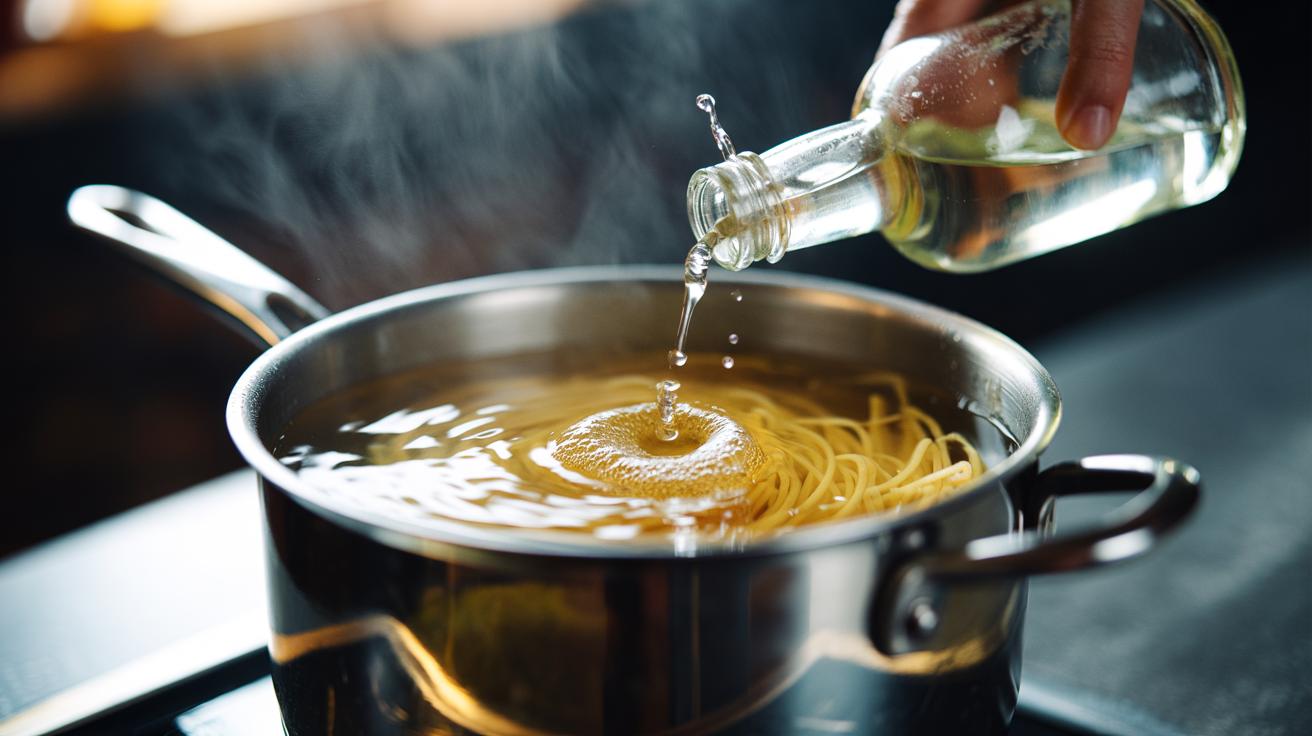
- 🍝 A small splash of vinegar lowers pH to slow surface starch swelling and subtly tighten gluten, delivering a firmer, silkier al dente bite without sour flavour.
- ⚗️ Use about 5 ml per litre (5% vinegar), salt the water first, keep a lively boil, and stir early to prevent sticking—this tweak polishes texture rather than seasons.
- 📏 Choose the right type: white distilled (neutral), white wine (soft), rice vinegar (mild), or apple cider (fruity); if you can taste vinegar, you’ve used too much.
- 🥄 Taste from 75% of the indicated time, pull 30–60 seconds early, and finish in sauce; clearer, slightly acidic pasta water emulsifies fats for a glossy coating.
- 🛠️ Troubleshoot clumping with generous water (3 L per 250 g), agitation, and heat; benefits extend to gluten-free pasta and stuffed shapes, and help maintain texture for meal prep.
Home cooks chase that elusive bite: pasta that resists, then yields. A tiny trick helps. Add a splash of vinegar to the pot. Not to sour the dish, but to fine-tune chemistry. Lowering the water’s acidity slightly influences how starch gelatinization and gluten behave as noodles cook, nudging them toward a firmer, silkier finish. It’s a micro-adjustment with macro payoff. The pasta keeps its shape, clumps less, and finishes with definition rather than dull softness. Used in measured amounts, vinegar won’t make your spaghetti taste pickled; it will make it taste properly cooked. Here’s how and why that small splash delivers consistently al dente results.
Why a Splash of Vinegar Changes Pasta Texture
Pasta texture is built on two pillars: swelling starch and coagulating protein. A faintly acidic environment slows the surface starch from over-swelling while subtly tightening the gluten network in durum wheat. That means fewer ruptured starch granules, less gummy runoff, and a surface that remains sleek rather than furry or chalky. In practical terms, the noodle’s exterior stays intact a little longer, so the core cooks evenly and the bite remains lively. You notice it most with thin shapes and whole-wheat cuts that can go soft fast.
The effect is gentle, not dramatic. We’re talking a teaspoon or two of 5% vinegar per litre, which shifts pH modestly without imposing flavor. Salt remains non-negotiable; vinegar doesn’t season like NaCl. Instead, it polishes texture. This is a control knob, not a shortcut. Keep heat at a lively boil to maintain circulation, and stir early to prevent initial sticking. Combined with adequate water, the tweak reduces cloudy starch release, so sauces cling cleanly rather than forming paste. The outcome feels professional: a defined exterior, a tender heart, and a glossy, sauce-ready surface.
How to Use Vinegar for Perfect Al Dente
Bring a large pot to a rolling boil. Add salt first, tasting for a sea-like savor—roughly 10–12 g per litre. Then add the vinegar: about 5 ml per litre for white distilled or wine vinegar. This order matters. Salting first guarantees flavor penetration; the vinegar is there for structure. Drop in the pasta and stir for the first 30 seconds to separate strands and prevent tack-on. Keep the boil lively so temperature doesn’t sag when the noodles go in.
Taste early and often from the 75% mark of the indicated time. You’re seeking a core that is just resistant, a whisper of chalk giving way to tenderness. Pull the pasta 30–60 seconds before perfect and let carryover plus sauce finish the job. Reserve a mug of starchy water. Because the vinegar reduces surface gumming, that water tends to be clearer and more cooperative in emulsions. Combine pasta and sauce over high heat with small additions of the reserved water to create gloss, not sludge. If your sauce is bright with tomatoes or wine, the tiny acidity in the noodle water supports, rather than competes with, the finish.
Choosing the Right Vinegar and Dosage
Different vinegars bring different strengths. For neutral control, pick white distilled. For a gentle lift, white wine or rice vinegar add subtle nuance without turning the pot aromatic. Apple cider vinegar is slightly fruitier; go lighter to avoid stray notes. Whatever you choose, the dosage is modest. You want functionality, not flavor. If you can taste vinegar in the drained pasta, you used too much. Stainless-steel pots are ideal; avoid reactive aluminium for extended acidic boils. Remember that vinegar is a companion to, not a replacement for, proper salting and timing.
| Vinegar Type | Typical Acidity | Flavor Notes | Splash per Litre | Best Use |
|---|---|---|---|---|
| White Distilled | 5% | Neutral, clean | 5–7 ml | Everyday pasta, testing |
| White Wine | 5–6% | Soft, lightly floral | 4–6 ml | Delicate sauces, seafood |
| Rice Vinegar | 4–4.5% | Mild, slightly sweet | 6–8 ml | Thin noodles, brothy dishes |
| Apple Cider | 5% | Fruity, round | 3–5 ml | Hearty shapes, pork ragu |
For gluten-free pasta, a touch of acidity can be especially helpful, slowing surface breakdown and keeping strands separate. For bronze-cut durum, it preserves that coveted roughness without tipping into grit.
Troubleshooting and Chef-Level Tips
If your pasta still clumps, the culprit is usually crowding or insufficient agitation, not the vinegar. Use at least 3 litres of water per 250 g pasta and a pot that maintains a rolling boil. Stir early, then intermittently. If you notice faint tang in the finished dish, reduce the splash by a millilitre per litre or switch to rice vinegar for gentler acidity. Remember: this is a micro-dose technique. It corrects texture drift; it doesn’t fix overcooking. Once starch has burst and the core has gone past al dente, no amount of acid will rewind it.
For finishing, let the sauce do the last 45–60 seconds of cooking. The acidic nudge from the pot water helps emulsify fat—think butter, olive oil, or cream—into a glossy coating. Save that water before draining, or lift pasta straight into the pan. With stuffed shapes, like ravioli, the splash helps skins resist tearing, especially when holding them for a minute while a sauce tightens. Season at the end. Salt perception rises as moisture reduces, so chase balance, not brine. And if you’re meal prepping, shock-cool slightly underdone pasta, then reheat in sauce, where the vinegar-touch prevents mush on day two.
Used judiciously, a splash of vinegar is a quiet ally. It steadies texture, tames surface starch, and gives sauces something to grip. You taste clarity, not sourness. The noodles stand up, then surrender. That’s the goal. Tiny chemistry, big payoff. Next time you reach for the salt, add the bottle beside it and measure a teaspoon for the pot. Your pasta will thank you with poise and polish. What shape, sauce, and vinegar pairing will you try first to test the difference on your own hob?
Did you like it?4.7/5 (27)