In a nutshell
- 🍫 Cocoa powder concentrates cocoa solids and starch, intensifying flavour, moderating sweetness via polyphenols, and supporting a fine, velvety crumb.
- ⚗️ pH pairing: Natural cocoa (acidic) works with bicarbonate of soda, while Dutch-processed suits baking powder, shaping colour, lift, and clear chocolate notes.
- 🔥 Technique wins: Bloom cocoa in hot water, milk, or coffee, then adjust hydration (about 15–30 ml extra liquid per 25 g cocoa) to unlock aroma and prevent dryness.
- 🧁 Recipe tuning: swap 10–25% of flour for cocoa, balance fat and sugar (oil + golden caster or light brown), and add salt plus a dash of espresso for clarity and depth.
- 🌱 Smarter sourcing: choose fresher, high-quality (20–22% fat) or single-origin cocoas with Fairtrade credentials; store airtight and cool to preserve flavanols and aroma.
Chocolate cake that truly sings rarely relies on chocolate alone. It gains its depth, its unapologetic intensity, from a quiet hero: cocoa powder. Pound for pound, it brings more concentrated cocoa solids than most bars, fewer distractions from added fats, and a dry structure that shapes crumb and lift. Folded into batters, it nudges chemistry, enriches aroma, and reins in sweetness so flavours feel cleaner. That means bakes that smell like a patisserie at dawn and slice like velvet. The right spoonful can shift a cake from fine to unforgettable. Here is why this addition transforms sweets so deliciously—and how to wield it with confidence.
The Chemistry of Cocoa in Cake Batter
At its core, cocoa powder is a potent blend of cocoa solids, cocoa butter remnants, starches, and polyphenols. Those polyphenols deliver bitterness and astringency, balancing sugar so a cake reads as complex rather than cloying. The starch fraction is crucial: it absorbs liquid, thickens batters, and supports fine crumbs, allowing bubbles from leaveners to stay intact during the oven spring. Because cocoa carries intense flavour without much fat, it amplifies chocolate notes while keeping texture light. That is why a cocoa-forward sponge can taste richer than one relying on melted chocolate alone.
Acidity is the second lever. Natural cocoa is slightly acidic, which interacts brilliantly with bicarbonate of soda, releasing carbon dioxide for lift. Alkalised cocoa (often labelled Dutch-processed) is mellow, less tangy, and better paired with baking powder. Matching cocoa to the right leavener tunes pH, colour, and rise. Heat completes the magic via the Maillard reaction, building roasted notes and aromatic complexity. Managing hydration matters too: cocoa’s thirsty particles can dry a cake if ignored. A splash more milk, oil, or syrup offsets that absorption, preserving tenderness while locking in a resonant chocolate aroma.
Natural vs Dutch-Processed: Choosing the Right Cocoa
The type of cocoa you choose reshapes taste, hue, and structure. Natural cocoa keeps the bean’s native acidity and bright fruit tones; Dutch-processed is treated with alkali to soften sharp edges, deepen colour, and round bitterness. Pick the wrong partner for your leavener and your cake can sink or taste flat. Choose wisely and you unlock poised sweetness, assured rise, and a professional, glossy crumb. Below is a quick comparison to guide your hand at the mixing bowl.
| Cocoa Type | Approx. pH | Colour | Flavour Profile | Best With |
|---|---|---|---|---|
| Natural cocoa | 5.3–5.8 | Light to medium brown | Bright, fruity, sharper cocoa | Bicarbonate of soda (adds lift via acidity) |
| Dutch-processed | 6.8–8.0 | Deep mahogany | Smooth, mellow, less acidic | Baking powder (neutral pH systems) |
| Black cocoa | ~8.0 | Near-black | Oreo-like, low aroma | Blend with natural or Dutch for balance |
For UK kitchens using self-raising flour (already containing baking powder), Dutch-processed cocoa integrates seamlessly. If your recipe calls for plain flour with bicarbonate of soda, natural cocoa maintains the necessary acidity for reliable lift. Want the deepest hue without bitterness? Blend two parts Dutch to one part black cocoa. Small swaps—just 10–15 g—can dramatically shift both colour and crumb. Taste your dry cocoa before mixing; if it seems flat, bolster aroma with a pinch of salt and a teaspoon of espresso to sharpen the chocolate edge.
Techniques That Maximise Flavour and Texture
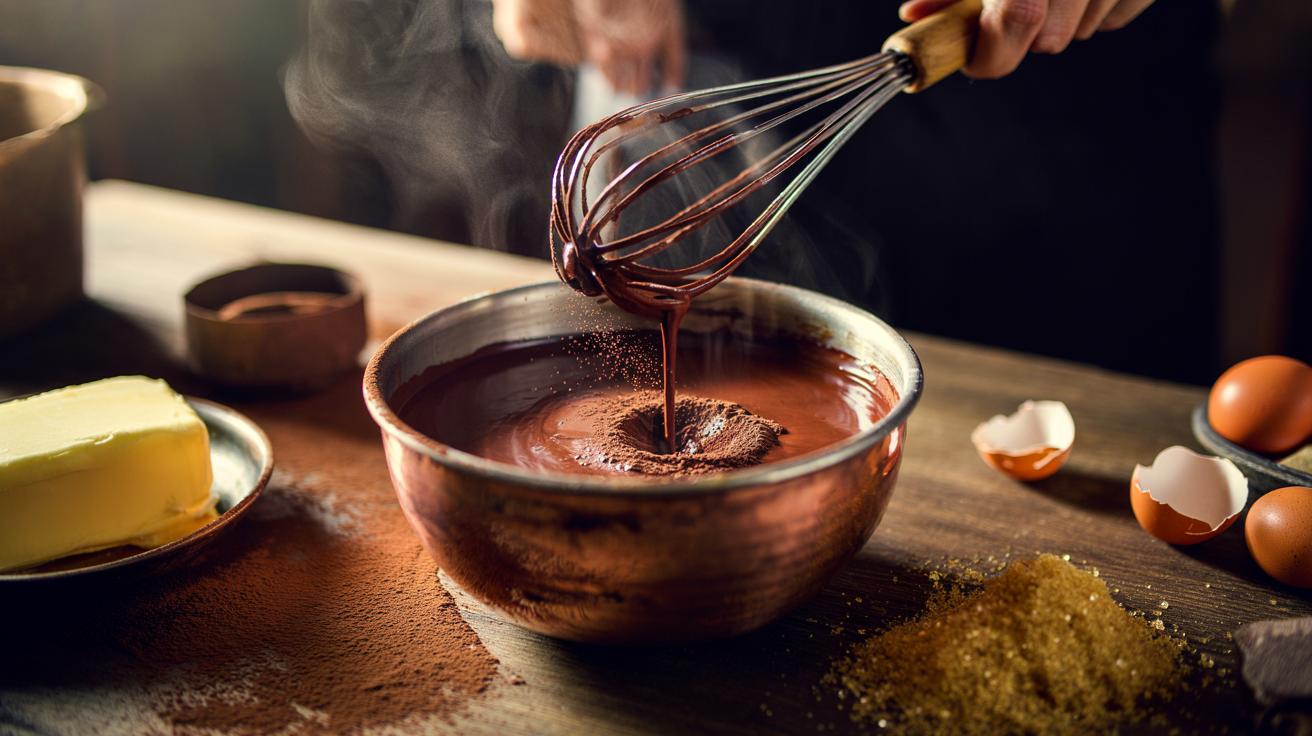
First, bloom the cocoa powder. Stir it into hot water, hot milk, or freshly brewed coffee to form a glossy paste before adding to the batter. This dissolves flavour compounds, hydrates starch, and unlocks aroma that would otherwise lie dormant. Ten minutes of blooming repays with a cake that smells bigger and tastes bolder. If you cream butter and sugar, add the cooled cocoa paste after creaming to avoid breaking the emulsion. For oil-based batters, whisk the paste into the wet ingredients for even dispersion.
Balance fat and sugar. Cocoa reduces perceived sweetness; consider soft light brown sugar for toffee warmth or golden caster for clean lift. A half teaspoon of fine salt per 200 g flour sharpens chocolate clarity. Replace 10–25% of flour with cocoa (by weight) to deepen flavour without compromising structure; for very dark bakes, push to 30% and add 15–30 ml extra liquid per 25 g cocoa. Pairings help: a smidge of espresso, malted milk powder, or vanilla seeds intensifies chocolate without shouting. For tenderness, use oil or a blend of oil and melted butter; oil remains fluid when chilled, keeping crumbs soft. A tiny splash of treacle or honey curbs dryness and enhances Maillard browning.
Nutrition and Ingredient Sourcing for Better Bakes
Good cocoa is not just flavour. It brings fibre and antioxidant flavanols, letting you reduce sugar slightly without losing presence. Natural cocoa retains more of these compounds, while heavy alkalisation can trim them. That does not mean Dutch-processed is a villain; it is a stylistic choice. In practice, quality eclipses processing: fresher, high-cocoa origins deliver bigger aromas and rounder finishes. If you can, buy from reputable UK suppliers listing origin and fat content (ideally 20–22% cocoa butter for richness). Better cocoa lets you bake cakes that taste luxurious yet feel balanced.
Ethics matter too. Look for Fairtrade or independently audited supply chains to support growers, many of whom face price volatility and climate pressure. Single-origin options—from Ghana, Ivory Coast, Ecuador, or Madagascar—offer distinct notes, from nutty to red-fruited. Store in an airtight tin, cool and dry, far from spices; cocoa greedily absorbs aromas. Finally, be realistic with dates: while cocoa keeps well, volatile aromatics fade over months. Plan bakes around fresh stock, and consider making a small cocoa “test paste” with hot water to assess aroma before committing. If it smells muted, use a touch more or blend with a livelier batch.
Cocoa powder is the lever that turns a good chocolate cake into a resonant, grown-up dessert with poise, colour, and captivating aroma. Choose the right style, bloom it, match it to your leavener, and pad hydration to keep the crumb plush. Small tweaks, big gains. Once you tune pH, fat, and liquid around cocoa’s intensity, your bakes will taste clearer, darker, and more memorable. Which technique—blooming, blending cocoas, or adjusting leaveners—are you most excited to try in your next chocolate cake, and why?
Did you like it?4.4/5 (20)