In a nutshell
- 🧪 A small splash of vinegar lowers cooking water pH, moderates starch behavior (amylose/amylopectin), and prevents clumping without adding noticeable sourness.
- 📏 Use table-guided ratios: basmati 1.5–1.6 cups water per cup; long‑grain 1.75; jasmine 1.25–1.4; brown 2–2.25, with 0.5–1.5 tsp rice/white wine/distilled vinegar per cup (avoid balsamic).
- 🥘 Method that works: rinse, optional soak, gentle simmer, lid on, no stirring, low heat to time, 10‑minute rest, then delicate fluff for airy, separate grains.
- 🔧 Troubleshooting: reduce acid if you taste it, fine‑tune water ratio and heat to stop mush, choose a heavy-lidded pot or rice cooker, and reheat with a splash of water plus a few vinegar drops.
- 🍚 Results & context: reliably fluffy, non-clumping rice for pilau and everyday meals; remember sushi rice is purposefully sticky and seasoned after cooking.
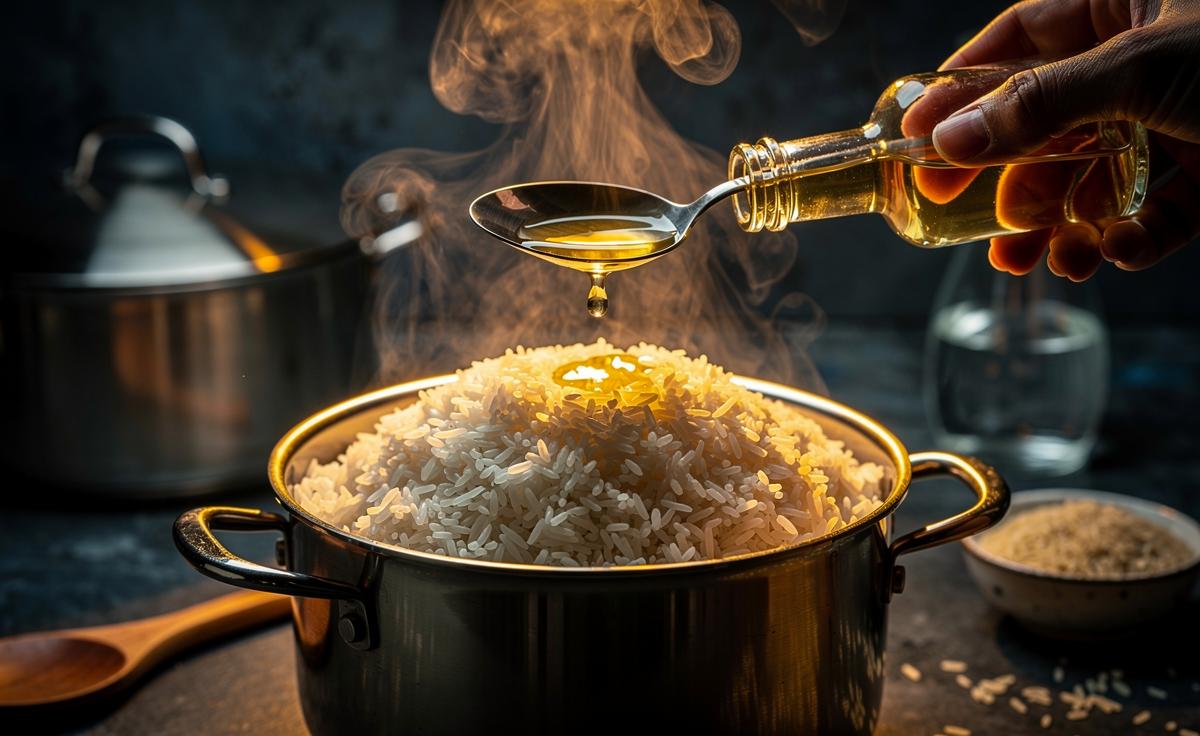
Rice that stands tall, pearly and separate, is the quiet triumph of any home cook. The twist that gets you there isn’t a gadget; it’s a whisper of vinegar. A tiny dose of acidity changes how starch behaves, so grains don’t glue themselves together. It’s subtle science with very practical results. You won’t taste sharpness. You will notice lightness. In busy weeknight cooking or a polished dinner spread, this is a reliable, repeatable tweak. Add a touch of acid, and the pan begins working for you rather than against you. Here’s how to harness vinegar for consistently fluffy, non-clumping rice, with precise ratios and clear steps.
The Science: How Mild Acidity Keeps Grains Separate
On the surface of dry rice sit loose starch particles that turn into paste when over-agitated or overheated in neutral water. Vinegar lowers the cooking water’s pH, nudging starch granules to swell more modestly. This tempering effect means less gummy “glue” escapes into the pot, so grains remain distinct. Chemistry also lends a hand with hard water. Calcium and magnesium ions encourage scum; mild acid can tame that, leading to cleaner bubbling and a calmer pot. A tiny drop of acid changes the way starch swells, and that change is enough to keep rice from clumping.
Inside the grain, rice starch is a mix of amylose and amylopectin. High-amylose varieties such as basmati are naturally fluffier, while higher-amylopectin types lean sticky. Slight acidity slows excessive amylopectin “stickiness” at the grain’s edge and helps the outer layer set a touch firmer, so grains don’t burst or shed as much starch when heat climbs. Think of it as a gentle exoskeleton. Crucially, you don’t need much. You should not taste vinegar in fluffy rice; if you do, use less. The target is structural, not flavour-led—subtle resilience, better steam flow, and tidy separation on the fork.
Choosing Rice, Water Ratios, and the Right Acid
Start by matching grain type to the texture you want. For standout fluff, go with aged basmati or a quality long-grain. Jasmine is aromatic but softer; keep the water lean to avoid clumping. Brown long-grain benefits from acid, but its bran needs extra time. As for vinegar, pick a clean style: rice vinegar (delicate), white wine vinegar (crisp), or distilled white (neutral). Avoid balsamic—its sweetness and colour will dominate. The working dose: about 1–1.5 tsp (5–7 ml) vinegar per 1 cup (about 200 g) uncooked rice. This is enough to shift pH without nudging flavour.
Get your water ratio right. Use cold water, and don’t stir once the lid is on. The table below offers quick guidance you can trust, whether you’re cooking for one or laying out a family spread.
| Rice Type | Water (per 1 cup/200 g rice) | Vinegar & Amount | Texture Notes |
|---|---|---|---|
| Aged Basmati | 1.5–1.6 cups (360–385 ml) | Rice vinegar, 1–1.5 tsp | Longest, fluffiest grains; minimal clump risk |
| Long-Grain (standard) | 1.75 cups (415 ml) | White wine vinegar, 1 tsp | Light, separate; mild aroma |
| Jasmine | 1.25–1.4 cups (300–335 ml) | Rice vinegar, 0.5–1 tsp | Soft yet not sticky; keep water lean |
| Brown Long-Grain | 2–2.25 cups (480–540 ml) | Apple cider vinegar, 1.5 tsp | Chewy, nutty; longer cook time |
Step-by-Step Method for Fluffy, Non-Clumping Rice
Rinse 1 cup (about 200 g) rice in several changes of cold water until it runs mostly clear. This removes surface starch that would otherwise thicken cooking liquid. Optional but helpful: soak 10–20 minutes, then drain well. Add rice to a heavy-bottomed pan with the measured water, a pinch of salt, and 1–1.5 tsp vinegar (see table for type). Bring to a gentle simmer over medium heat. Do not stir once the lid is on; stirring breaks grains and releases gluey starch.
When bubbling edges appear, clamp on a tight lid. Lower heat to minimum and cook 12 minutes for basmati or long-grain (10–11 for jasmine; 30–35 for brown). If your hob runs hot, use a simmer ring. Switch off heat and rest 10 minutes, covered. The residual steam finishes cooking evenly and firms the surface. Now lift the lid and fluff with a fork—gently, in layers. For extra lift, spread the rice briefly on a tray to release steam, then return to the pot to keep warm. The rest is non-negotiable; it’s where fluffiness is sealed. Finish with a teaspoon of neutral oil or a knob of butter if you like shine and extra separation.
Troubleshooting and Chef-Level Tweaks
If you detect sourness, you used too much vinegar or a punchy style. Switch to rice vinegar, reduce to 0.5–1 tsp per cup, and check salt balance. Still clumping? Rinse more thoroughly, avoid stirring after simmering begins, and verify your ratio—many pans need slightly less water than you think. If grains break, heat was too high or water too low; gentle steam protects structure. Mushy rice is almost always a ratio or heat-control problem, not an acid problem.
For consistent results, use a heavy pot with a snug lid; it stabilises temperature and traps steam. In a rice cooker, add the same vinegar dose directly to the water and let the machine do the rest. Aromatics? Try a bay leaf, bruised cardamom, or lemon zest—they play nicely with acidity without masking rice’s character. Reheating leftovers? Sprinkle with a teaspoon of water, cover, and steam gently; a few drops of vinegar can revive separation. Finally, remember context: sushi rice is intentionally sticky and seasoned after cooking with sweetened rice vinegar. For pilau or everyday basmati, the goal is different—clarity of grain, lifted texture, clean aromatics—and the pre-cook acid trick is your quiet ally.
With a scant teaspoon of vinegar, you can turn a pot of rice from serviceable to superb. The grains cook calmer, the surface stays tidy, and the fork meets resistance just enough to feel elegant. It’s minimal intervention with maximum reward, and it works across hobs, pots, and busy schedules. Try it tonight with basmati and a gentle rice vinegar, then tweak ratios for jasmine or brown. Once you’ve felt the difference, you won’t go back. What rice style will you test first, and how will you adapt the acid dose to suit your kitchen and palate?
Did you like it?4.5/5 (24)