In a nutshell
- 🍋 Lemon’s ascorbic acid and lowered pH inhibit polyphenol oxidase, delaying browning and keeping avocados tasting fresh for 24–48 hours.
- 🥑 Practical methods: brush with lemon juice, use a 1:1 lemon-water dip, stir into guacamole, or mist with a spray—always coat the surface and minimise air exposure.
- 🧊 Storage science: prompt refrigeration, containers with minimal headspace, and film pressed directly on the flesh; consider vacuum containers or a thin “water cap” for dips (with texture caveats).
- 🍽️ Taste and nutrition: lemon brightens flavour in small doses; balance with salt. Alternatives include lime, orange juice, or white wine vinegar; freshly squeezed outperforms bottled.
- 📦 Smart prep: keep whole avocados at room temp to ripen, then chill; the pit reduces exposed area but isn’t protection—combine with citrus and tight wrapping to cut waste.
Avocados are glorious for a moment, then heartbreakingly quick to brown. The culprit is air, the saviour is citrus. Harnessed well, lemon doesn’t just slow discolouration; it helps the fruit taste freshly ripe for far longer than you’d expect. A squeeze, a brush, a smart container, a chill. Small steps, big impact. In home kitchens and professional prep rooms alike, lemon’s acidity and antioxidants keep that green glow intact. Think of it as a shield and a reset button: protecting delicate flesh from oxygen while nudging the surface chemistry to a safer balance. Here’s how to use it, why it works, and what to avoid.
Why Avocados Brown and How Lemon Helps
That creamy green turns brown due to polyphenol oxidase, an enzyme that reacts with oxygen. This reaction produces brown melanins on the cut surface. It’s harmless, but unappetising and quick. Two levers reduce it: limit oxygen and disrupt the enzyme. Lemon does both. First, its ascorbic acid (vitamin C) acts as an antioxidant, sacrificing itself to mop up oxygen before the avocado flesh oxidises. Second, lemon lowers surface pH, creating conditions where the enzyme works less efficiently. Acid slows the browning clock.
There’s a third bonus. Lemon’s aromatic oils lightly perfume the flesh, making yesterday’s half taste cleaner today. The science matches the sensation: by stabilising colour, the mind reads “fresh”. In practical terms, lemon treatment can maintain the green colour and ripe flavour for 24–48 hours, sometimes longer if temperature and storage are right. Do note, though, that too much acid can harden the perception of the fruit and skew flavour towards tartness. The trick is balance: enough citrus to protect, not so much that it dominates.
Practical Methods: Lemon and Lime Tactics
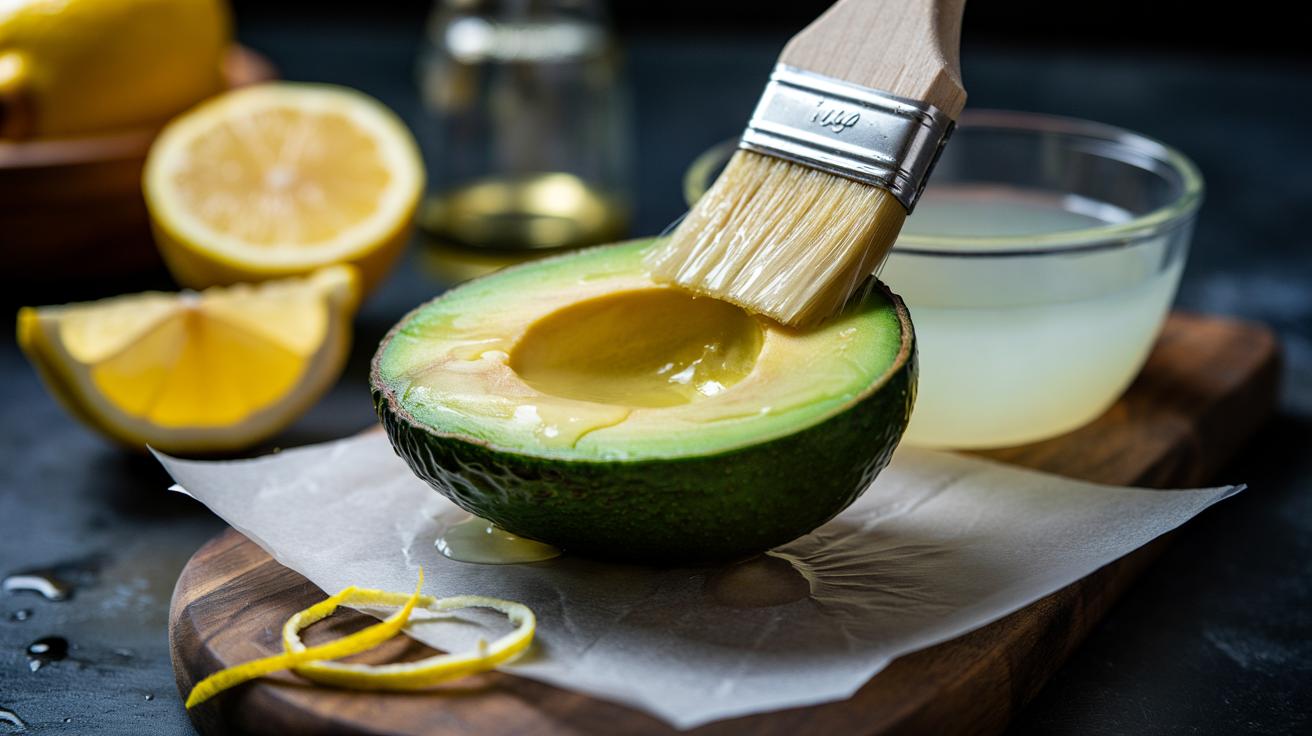
For a halved avocado, brush the cut surface with fresh lemon juice, ensure full coverage around the edges, then press cling film directly onto the flesh. Pop into the fridge. Prefer less tartness? Dilute lemon juice 1:1 with water, brush, and seal. For cubes or slices, toss gently with a teaspoon of juice per avocado and store in an airtight tub with minimal headspace. Guacamole stays vibrant when you stir in 1–2 teaspoons of lemon or lime per large avocado and press a layer of cling film directly onto the dip’s surface before lidding. Always coat the surface and exclude air.
Use the zest? A light grate adds aromatic oils without extra acid, helpful for flavour while keeping browning at bay. Lime is equally effective and sometimes tastes more natural in Mexican-style preparations. If you’re prepping for a party, keep a small spray bottle of lemon juice to mist cut faces as you assemble dishes. Below is a quick guide to match method to need.
| Method | How-To | Typical Extension | Best For |
|---|---|---|---|
| Brush with Lemon | Paint juice over cut face; wrap on-contact | 24–48 hours | Halves, salads |
| Lemon Water Dip | Quick dip (10–20 sec) in 1:1 lemon-water | 24–36 hours | Slices, sandwiches |
| Lemon in Guacamole | 1–2 tsp per large avocado; film pressed on top | 24–48 hours | Dips, spreads |
| Zest + Light Juice | Sprinkle zest; minimal juice; airtight tub | Up to 36 hours | Meal prep boxes |
| Spray Bottle | Mist surfaces during assembly | Same day hold | Buffets, plating |
Storage Science: Temperature, Containers, and Air
Lemon is powerful, but storage either completes the job or undermines it. Cold slows enzyme action, so the fridge is your friend. Refrigerate promptly once cut, ideally within five minutes of applying citrus. Choose containers that minimise headspace; a small tub beats a large one. Pressing cling film, baking parchment, or beeswax wrap directly onto the avocado creates a barrier layer, further reducing oxygen exposure. For guacamole, smooth the top flat, add your lemon, and press film to eliminate air pockets along the edges where browning likes to begin.
Some swear by a water cap: a thin layer of cold water over guacamole beneath the film. It excludes air and, with lemon, keeps colour bright. Stir it off just before serving. Caveat: prolonged water contact can slightly loosen texture and mute seasoning. As for the onion-in-the-tub trick, it’s inconsistent; sulphur compounds may help, but they also perfume the fruit aggressively. Better options include vacuum containers or removing air with a straw. Keep whole, uncut avocados at room temperature to ripen, then move to the fridge once yielding. After cutting, always chill.
Taste and Nutrition: Does Lemon Change the Experience?
Lemon doesn’t only guard colour; it brightens flavour. A whisper of acidity makes the avocado’s buttery fats feel lighter and more defined. Too much, though, overwhelms. Start small and adjust: 1 teaspoon per avocado for slices, up to 2 teaspoons in dips where other ingredients dilute the effect. Salt is a quiet ally here, enhancing sweetness and balancing acid. For those sensitive to citrus, alternatives include lime (similar effect), orange juice (milder, slightly sweeter), or a splash of white wine vinegar. All lower pH and slow browning, though ascorbic acid content varies.
Nutrition-wise, lemon adds a touch of vitamin C and may help preserve the avocado’s natural folate and vitamin E profile by limiting oxidation at the surface. The pit? Keeping it in reduces exposed area but doesn’t protect the rest. Better to combine: lemon on the flesh, pit in, film on, fridge cold. For sandwiches, treat slices with lemon, pat dry, then stack—less slip, more grip. And remember, freshly squeezed juice outperforms bottled thanks to higher active antioxidants and brighter aroma.
Lemon is a small squeeze with outsized results. It disarms the browning enzyme, blocks oxygen, and adds a clean lift that makes yesterday’s cut fruit taste like today’s. With good storage—tight wrap, cold air, minimal headspace—you can comfortably hold halves and dips for an extra day or two without sacrificing colour or flavour. That means fewer wasted avocados and more reliable meal prep. Ready to try a brush, a mist, or a zesty stir-in and see which method suits your kitchen rhythm best, or do you have a favourite citrus trick waiting to be put to the test?
Did you like it?4.4/5 (22)