In a nutshell
- 🥑 Olive oil coating slows avocado browning by blocking oxygen, keeping flesh vibrant green without adding citrus tang.
- 🧪 Browning is enzymatic oxidation via polyphenol oxidase (PPO); oil forms a barrier and contributes antioxidants like vitamin E and polyphenols.
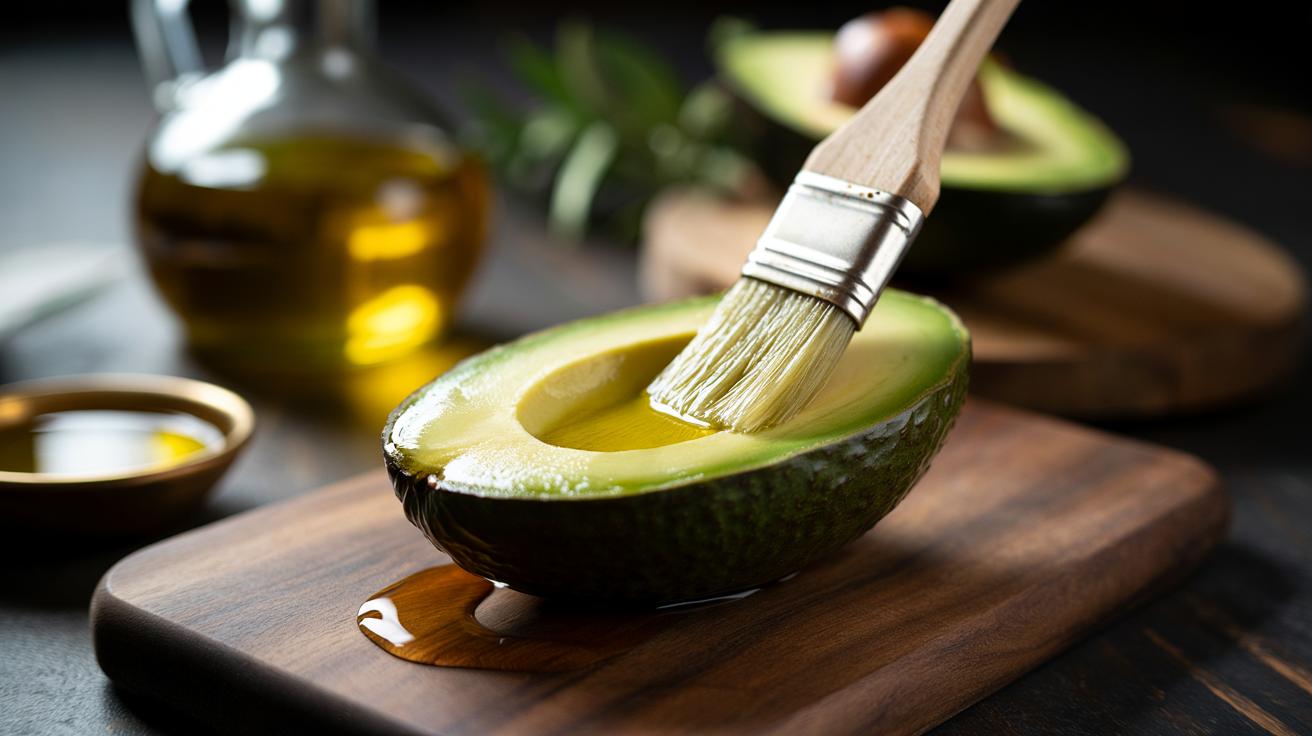
- 🛠️ Method: brush a thin film (about 1/4 tsp) over all exposed surfaces, keep the pit, add contact cover, and refrigerate at 4–5°C.
- ⚖️ Versus lemon, onion, water, or vacuum: oil is neutral in taste and, combined with tight contact cover and cold, keeps colour for 24–48 hours.
- 💡 Tips: use extra‑virgin olive oil, apply sparingly, don’t reuse brushed oil, and scrape a paper‑thin layer if slight browning appears.
Avocado lovers know the heartbreak: you slice into that creamy green jewel, then return minutes later to find the surface dulling to brown. The culprit is oxidation, swift and relentless in a busy kitchen. There’s a surprisingly elegant fix. Brush the cut face with a thin film of olive oil. This simple coating slows discolouration without the sourness of citrus. It takes seconds. It cuts waste. And it keeps guacamole looking party‑ready for longer. Air is the enemy; oil is the shield. Here’s how and why a drop of pantry‑staple olive oil can keep your avo vibrant and inviting.
Why Avocados Brown and How Oil Interrupts It
The browning you see is enzymatic oxidation. Once an avocado is cut, oxygen meets an enzyme in the flesh called polyphenol oxidase (PPO). PPO converts natural phenolics into brown pigments, much like a sliced apple darkening on a plate. The green we adore comes from chlorophylls and carotenoids, which dull as these reactions advance. Stop oxygen meeting PPO and you slow the colour change. That’s the whole game, whether you use wrap, citrus, or oil.
Olive oil works primarily as a physical barrier. Its hydrophobic layer limits oxygen diffusion across the surface, buying you hours of visible freshness. Extra‑virgin olive oil also contains antioxidants such as vitamin E and polyphenols that can mop up reactive oxygen species, adding a modest chemical assist. While it won’t halt browning forever, a properly applied film stalls the reaction enough for lunches, leftovers, and next‑day brunch.
Compared with lemon or lime, oil doesn’t change pH or introduce tang. That’s useful for recipes where you want the avocado’s clean, buttery flavour to lead. And unlike water submersion, it won’t leach texture. Think of it as cling film you can eat: flexible, transparent, and effective when spread thinly over every exposed nook and cranny.
Step-By-Step: The Olive Oil Coating Method
Start with a ripe but firm avocado. Cut and twist to open. If you’re storing half, keep the stone in place for a smaller exposed area. Pour a scant 1/4 teaspoon of extra‑virgin olive oil into a teaspoon. Using a clean brush or fingertip, spread an ultra‑thin layer over the cut surface, including the edges. The goal is sheen, not puddling. Any visible pooling invites slick texture and off balance.
For slices or cubes, toss gently in a bowl with a few drops of oil until just coated, then pack into an airtight container. Press baking parchment or compostable wrap directly onto the surface to reinforce the barrier. Refrigerate promptly. If making guacamole, smooth the top, brush with oil, and cover in contact with film; stir the oil in before serving. The texture remains rich, not greasy, when the layer is whisper‑thin.
When you’re ready to eat, wipe away excess oil with a paper towel if desired, or mash it in. If the very top has tinged, gently scrape 1 mm off to reveal green beneath. Reapply a fresh film if you’re saving leftovers again. For best results, store at 4–5°C and aim to consume within 24–48 hours.
How It Compares to Other Fixes
Plenty of kitchen hacks claim to keep avocados green. Citrus juice lowers surface pH, making PPO less active, but it alters flavour. Onion vapours can slow browning, yet results are inconsistent and the smell can dominate. Water acts as an oxygen barrier but risks sogginess and diluted taste. Oil offers neutrality and simplicity, with minimal kit.
No single method is perfect. A hybrid approach often wins: a thin oil film plus direct‑contact cover in an airtight tub, stored cold. For guacamole, a smooth surface, oil seal, and tight lid deliver strikingly green dips the next day without the lemony tang you might not want in every recipe.
| Method | How It Works | Taste Impact | Fridge Time (Approx.) | Best For |
|---|---|---|---|---|
| Olive oil coating | Blocks oxygen; adds antioxidants | Neutral to mildly fruity | 24–48 hours | Halves, slices, guacamole tops |
| Lemon/lime juice | Lowers pH; minor antioxidant effect | Citrus tang, noticeable | 12–24 hours | Guacamole, salads with citrus |
| Onion in container | Sulphur compounds slow PPO | Possible onion aroma | 12–24 hours | Halves with stone |
| Water bath | Displaces air over surface | Can dilute; softer texture | 24 hours | Short‑term storage |
| Airtight/vacuum | Reduces oxygen exposure | None | 24–72 hours | Batch prep, meal kits |
Choose the method that suits the dish, not just the clock. For clean flavour and decent longevity, the olive oil shield earns its place as the everyday option, especially when combined with contact cover and refrigeration.
Tips for Fresher, Greener Avocados All Week
Use a fresh, good‑quality oil. Extra‑virgin brings polyphenols and a peppery lift; “light” olive oil is milder if you want less flavour. Apply sparingly: a thin film maximises oxygen control without greasiness. Keep the pit in the spare half. Less exposed flesh means less oxidation. For lunchboxes, coat slices, wrap snugly, and insulate with a chilled pack.
Temperature matters. Cold slows the PPO enzyme and microbial growth. Store coated avocados at the back of the fridge, not the door. Avoid leaving cut fruit out for more than two hours at room temperature. If you’re prepping ahead, consider vacuum containers or press‑seal bags to stack the odds, then finish with an oil brush just before sealing.
Think safety and waste. Don’t reuse the brushed oil; it has touched raw produce. If any off smells develop, compost it. For guacamole, smooth the surface, brush, and cap with contact film in a lidded tub. Stir before serving. With this routine, you’ll see less browning, better texture, and fewer discarded halves through the week.
Avocados are finicky, but not unmanageable. A whisper of olive oil gives you control, preserving that vibrant green and creamy bite long enough to enjoy leftovers and prep ahead with confidence. It’s cheap, quick, and easy to build into your routine, whether you’re packing sandwiches or plating brunch. The principle is simple: limit oxygen, limit browning. With a brush, a bottle, and the fridge, you’ll waste less and eat better. What dishes could you plan this week if you knew your avocado would still look and taste its best tomorrow?
Did you like it?4.4/5 (28)