In a nutshell
- 🍎 Apples emit ethylene that signals potato buds to stay dormant, effectively slowing sprouting and extending shelf life without synthetic inhibitors.
- 📦 Store potatoes and apples together in a cool, dark, ventilated place (around 7–10°C), using breathable bags or crates; aim for 1 apple per 2–3 kg, check weekly, keep away from onions.
- ⚖️ Be mindful of trade-offs: ethylene + cold can boost sweetening and pan browning; for frying or roasting, separate and hold at room temp for 2–3 days to rebalance sugars.
- 🛡️ Prioritise safety: snap small sprouts and trim eyes; discard potatoes that are deeply green, bitter, or heavily sprouted; watch for solanine, moisture, and rotate stock oldest first.
- 🍟 Plan cooking: the apple method shines for mash/boil; for chips, crisps, and roasties, manage exposure to balance flavour and browning while keeping spuds firm.
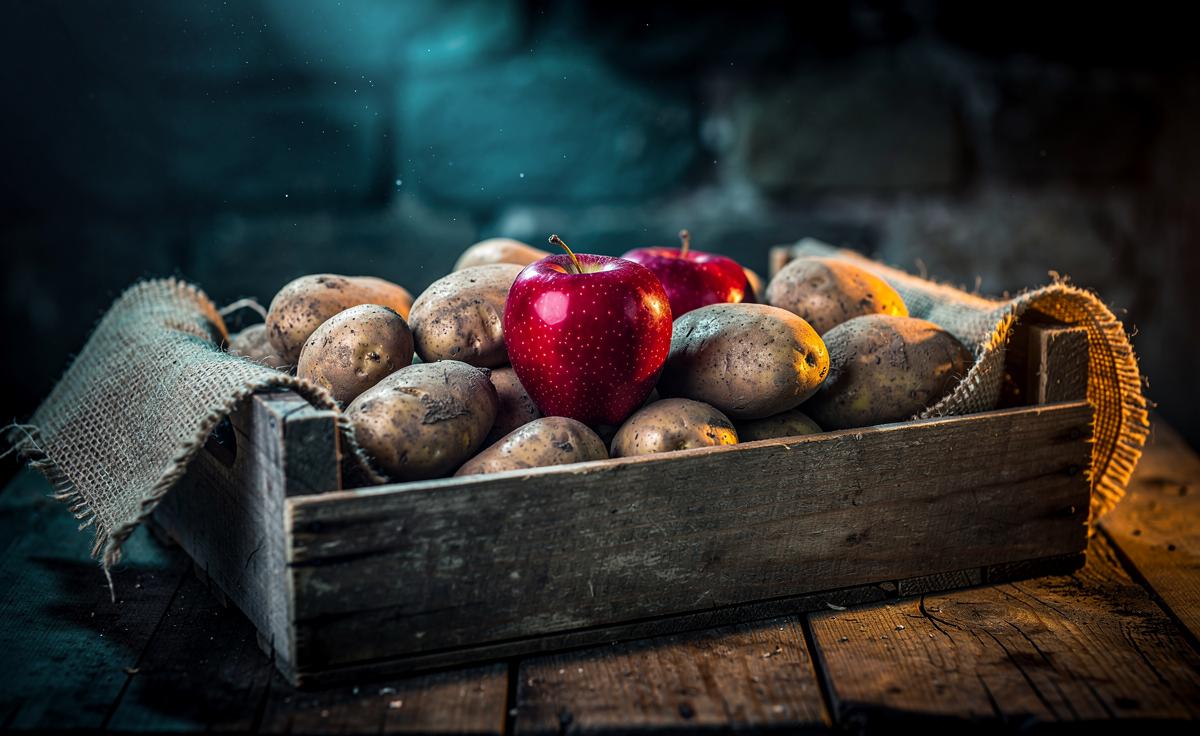
That bag of potatoes on the counter is a ticking clock. Given warmth and time, dormant buds wake and push out pale shoots, siphoning flavour and vitamin C. There’s a low-tech fix hiding in the fruit bowl. Place a few apples alongside your spuds. The pairing sounds folkloric, yet it’s rooted in plant physiology: apples exhale ethylene, a natural plant hormone that quietly nudges tubers to remain asleep. Used correctly, this simple tactic can stretch storage life by weeks, cutting waste and rescuing weeknight dinners. Here’s how and why it works, plus the small cautions that keep the trick reliable at home.
The Science: Ethylene Gas and Dormancy
Apples constantly release ethylene, a gaseous signal plants use to coordinate ripening, ageing, and growth. Potato tubers, though harvested, are still living tissues with dormant buds primed to sprout. Low, steady ethylene exposure interacts with those buds’ hormonal pathways, tending to suppress cell division and elongation. In plain terms: apples whisper “wait” to potato sprouts. Food storage facilities exploit this, maintaining controlled ethylene atmospheres to curb sprouting without synthetic inhibitors, a strategy that balances dormancy with quality.
The dose matters. In commercial rooms, ethylene is regulated to precise parts-per-million. A household arrangement is looser, yet a couple of firm apples in a breathable sack or crate can still tilt the balance towards dormancy. Darkness remains essential, because light stimulates chlorophyll production and can drive greening and bitter glycoalkaloids (notably solanine). Temperature also shapes the outcome: potatoes kept too warm sprout aggressively; too cold and they sweeten excessively, complicating frying.
Think of the apple as a subtle brake, not a handbrake. It slows, rather than abolishes, sprouting. That’s why selection and placement are crucial. Healthy, unbruised fruit emits a steadier signal than one that’s damaged and racing toward overripeness, which could flood your storage with mixed gases and moisture.
How to Store Potatoes With Apples, Step by Step
Start with sound ingredients: pick firm, clean, dry potatoes free of cuts or green tinges, and one or two unbruised apples (any eating variety) with intact skins. Skip washing; surface moisture invites mould. Choose a breathable container—paper bag, hessian sack, slatted crate—and keep the lot in a cool, dark, well-ventilated place. Ideal temperature sits around 7–10°C, a sweet spot that slows metabolism without driving the cold-sweetening that haunts chips and roasties.
Arrange them together, not smothered. Tuck the apples among the potatoes, leaving air gaps so ethylene diffuses rather than pooling. A practical rule-of-thumb: about one medium apple per 2–3 kg of potatoes. Do not seal the container; trapped humidity accelerates rot. Check weekly. Remove any soft apples and any potato that’s damp, smelly, or sprouting vigorously. Replace the apples as their perfume fades; they decline first, so they’re your early-warning system.
Keep them away from heaters, sunlight, and volatile neighbours. Onions are the classic antagonist—stored together they often hasten each other’s deterioration through exchanged volatiles and shared humidity. If a potato begins to green, move it out of light immediately and peel deeply before use or discard if the taste is bitter. Planning chips? Shift potatoes out of the apple zone for a few days before frying to temper any sweetness.
| Factor | Target | Why It Matters |
|---|---|---|
| Temperature | 7–10°C | Slows sprouting without excess sweetening |
| Light | Darkness | Prevents greening and solanine build-up |
| Ventilation | Breathable bag/crate | Reduces moisture and rot risk |
| Apple-to-Potato Ratio | 1 per 2–3 kg | Provides gentle ethylene exposure |
Trade-Offs, Food Safety, and Flavour
Ethylene is a double-edged tool. While it reins in sprouts, it can encourage sweetening in potatoes, especially when combined with low temperatures. Those extra reducing sugars brown fiercely in the pan and can elevate acrylamide in high-heat cooking. If your spuds taste sweet or darken too quickly, leave them at room temperature, away from apples, for two to three days before frying or roasting. This simple pause often brings sugars back into line, restoring that savoury, caramel-not-burnt finish.
Safety first: small, firm sprouts can be snapped off and the eyes trimmed; the potato remains usable if the flesh is still hard and tastes normal. Extensive sprouting, deep greening, or a pronounced bitter flavour are red flags—bin them. Solanine concentrates near the skin and in green patches; heavy peeling helps but isn’t a cure-all. Keep storage dry to thwart moulds, and rotate stock—oldest first—to keep the cache moving.
Plan for recipes. For mash or boiling, the apple trick is a gift—texture and colour hold up beautifully. For chips, crisps, or roast potatoes where browning precision matters, manage exposure: store with apples to lengthen life, then separate shortly before cooking. The goal is balance—longer dormancy without sacrificing taste. A little attention each week delivers both, trimming food waste and protecting your weekend fry-up.
Storing potatoes with apples isn’t kitchen witchcraft; it’s plant science, domesticated. Apples supply a whisper of ethylene, potatoes listen, and the sprouts stand down, buying you fresh-tasting, versatile tubers for longer. Yes, there are trade-offs, but a cool, dark, ventilated setup and modest apple ratios keep quality high. Handled this way, your spuds stay firm, safe, and ready, whether for silky mash or crisp roasties. How might you tweak the ratio, location, or timing in your own kitchen to hit your perfect balance of shelf life and flavour?
Did you like it?4.6/5 (26)