In a nutshell
- 🧊 An ice-water bath revives wilted lettuce in about 10 minutes by restoring internal turgor pressure, bringing back crisp texture.
- 🔬 The science: cold induces osmotic rehydration into leaf vacuoles, while chilling slows respiration and stabilises membranes; slimy or sour-smelling leaves should be discarded.
- ⏱️ Method: use 0–4°C water, separate and fully submerge leaves with gentle agitation for 5–10 minutes (max 20); avoid salt or acids that hinder water uptake.
- 🌀 Aftercare: drying is crucial—spin or pat dry to stop dilution, then store at 2–4°C in a vented, paper-lined container; add dressing only at serving.
- ✅ Tips & caveats: great for romaine, Little Gem, and butterhead; delicate greens need shorter soaks; prevent contamination, don’t crush with ice, and avoid over-soaking to limit waterlogging and nutrient loss.
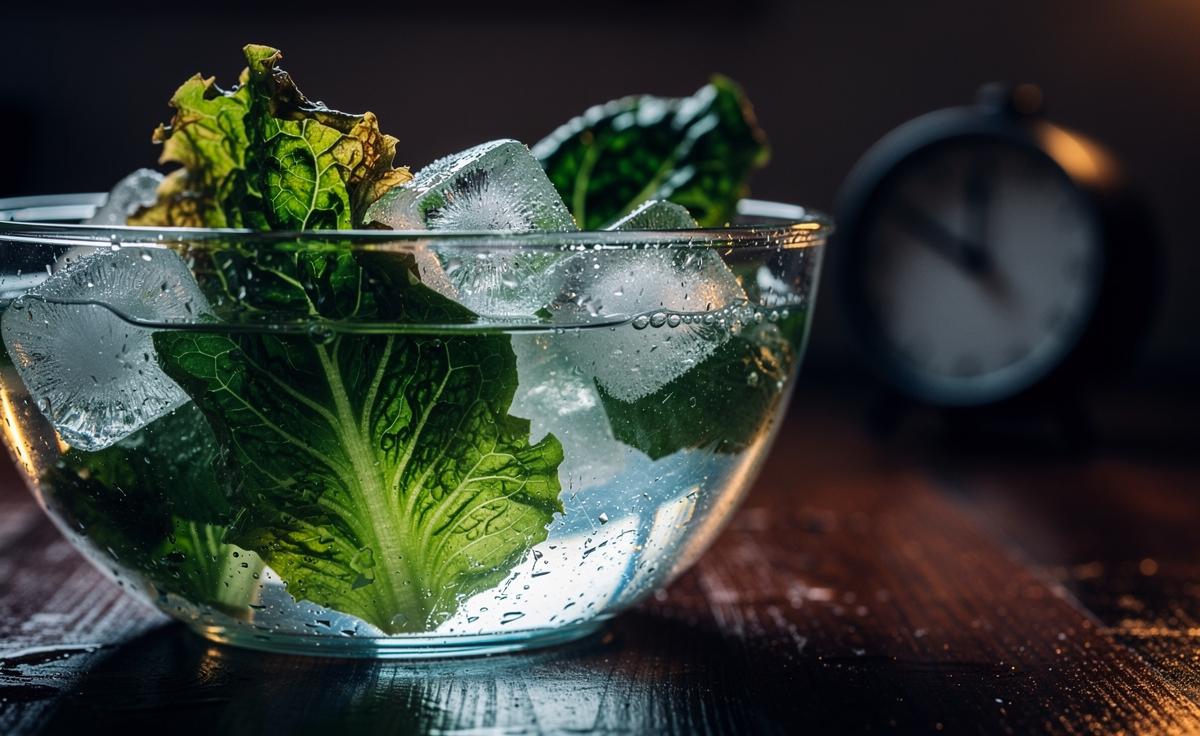
Left a head of lettuce languishing in the fridge, only to find it limp and uninspiring? Don’t bin it yet. A quick plunge in ice water can bring wilted leaves back to life in as little as 10 minutes. The trick isn’t magic; it’s plant physiology doing its reliable work. By restoring turgor pressure—the internal water pressure that makes plants stand tall—cold water turns flaccid leaves crisp again. It’s fast, cheap, and surprisingly dependable for most varieties. Ten minutes is usually enough to restore crunch. With the right temperature, a clean setup, and proper drying afterward, you’ll rescue salads and sandwiches with confidence—and reduce food waste while you’re at it.
What Actually Happens Inside Lettuce Leaves
When lettuce wilts, it’s not always a sign of spoilage. Most often, water has simply left the cells, reducing turgor pressure. Think of each leaf cell as a tiny water balloon supported by a rigid wall. Lose water, and that balloon slackens. Immerse the leaves in very cold water and an osmotic gradient forms, pulling water back inside the cells. The central vacuole refills, the walls push outwards once more, and the leaf regains its characteristic snap. Rehydration is the core mechanism that revives texture, not mere cooling of the surface.
Temperature accelerates this repair in two ways. First, cold slows respiration and reduces further moisture loss, buying time for water to re-enter the cells. Second, chilling tightens cell membranes slightly, improving their ability to maintain gradients without leaking solutes. That’s why a true ice bath outperforms tepid tap water. There are limits. Leaves that are bruised, torn, or already breaking down won’t revive because cell walls are damaged beyond repair. If your lettuce is slimy, smells sour, or shows dark, mushy patches, it’s past saving. For clean, just-wilted leaves, the science is firmly on your side.
Step-by-Step: The 10-Minute Ice Bath Method
Set up a large bowl or sink with water cold enough that ice cubes remain intact. Aim for 0–4°C. Separate leaves to expose more surface area, then submerge completely. Keep the water moving gently; circulation helps even cooling and hydration. Use plain water only. Adding salt reduces the osmotic pull into the cells and slows revival. After 5 minutes, check a leaf for firmness. Most are done by 10 minutes; very tired leaves may need 15. Don’t exceed 20 minutes or you risk waterlogging and nutrient leaching.
| Variable | Recommended | Why It Matters |
|---|---|---|
| Water Temperature | 0–4°C (ice water) | Maximises rehydration and slows respiration |
| Soak Time | 5–10 minutes | Restores turgor without waterlogging |
| Water-to-Leaf Ratio | ~1 L per 100 g | Prevents temperature rising too quickly |
| Additives | None | Salt and acids can reduce water uptake |
| Drying | Spin or pat dry | Removes surface water; restores crispness |
Once revived, drain thoroughly. Drying is as crucial as chilling: excess surface water dilutes dressings and softens leaves fast. Use a salad spinner or clean tea towel until the leaves feel almost squeaky. Serve immediately or store lined with a paper towel in a vented container.
Why Time and Temperature Matter
Revival hinges on a balance between speed and control. At 0–4°C, water flows back into cells quickly, while metabolic activity stays low. That combination rebuilds turgor pressure without stressing the tissues. Warmer water may still rehydrate but allows faster respiration, so leaves continue losing firmness even as they drink. Extremely cold water—near freezing—is ideal provided you avoid actual ice burn or localized freezing, which ruptures cells and creates translucent patches.
Time matters for chemistry as well as texture. During long soaks, soluble nutrients can leach into the water. So can flavour compounds. That’s why professionals keep immersion short, then switch to aggressive drying and cool storage. Ten minutes is a sweet spot for most lettuces: Little Gem, romaine, butterhead, and mixed salad leaves respond briskly, while very delicate frisée or microgreens benefit from the lower end of the range and gentler agitation. Avoid additives; even a pinch of salt reduces the osmotic gradient, slowing rehydration. Acids, such as vinegar or lemon, are better added to dressing later, not the bath.
Common Mistakes, Safety, and Storage Tips
Not all limp greens are equal. If the leaves are slimy, browning at the veins, or smell sour, discard them. Do not attempt to revive spoiled produce. Contaminated water is another risk: use clean bowls and fresh ice, and wash hands before handling. If you’re batch-prepping, change the water between lots to prevent cross-contamination. Avoid crushing the leaves with heavy ice; let cubes float while you stir gently from underneath. And remember, too long in water can make lettuce waterlogged and dull.
After the bath, drying determines the final crunch. Spin until droplets stop flying, then finish with a light towel pat. Store in a breathable container lined with absorbent paper at 2–4°C. A small vent or a slightly ajar lid keeps humidity balanced. For meal prep, keep dressings separate; contact with acid and salt softens revived leaves quickly. If you need extra insurance, revive just before serving. Cold, dry, and gently handled leaves stay crisp far longer, turning yesterday’s wilting head into today’s star salad.
Reviving lettuce with an ice water bath is a simple fix grounded in plant science, not kitchen folklore. You’re restoring water, rebuilding turgor, and protecting texture through careful temperature control and quick drying. This same trick helps perky herbs—think parsley or rocket—spring back as well, though very delicate greens demand shorter soaks. With a bowl, some ice, and ten spare minutes, food waste shrinks and salads sing again. It’s an easy, repeatable habit that pays off. Which greens in your fridge are you most eager to rescue with a quick plunge and spin?
Did you like it?4.3/5 (22)