In a nutshell
- 🥑 Bananas release ethylene, a natural hormone that triggers ripening in climacteric fruits like avocados, cutting wait time to hours.
- 🍌 Use the paper bag method: avocado + ripe banana, loosely folded bag, room temperature; check after 8–12 hours for gentle give and aroma.
- 🌡️ Balance speed and flavour: aim for 18–22°C; too hot risks bland, rubbery flesh, too cool stalls enzymes—adjust bag openness to fine-tune.
- 🧊 Once ripe, refrigerate to hold quality for 2–3 days; stagger fruit with different partners (banana, apple, none) to plan ripeness across the week.
- 🛠️ Troubleshoot smartly: avoid plastic and microwaving; try apple/kiwi as alternatives; watch for chilling injury or bruising, and use tired fruit in blends.
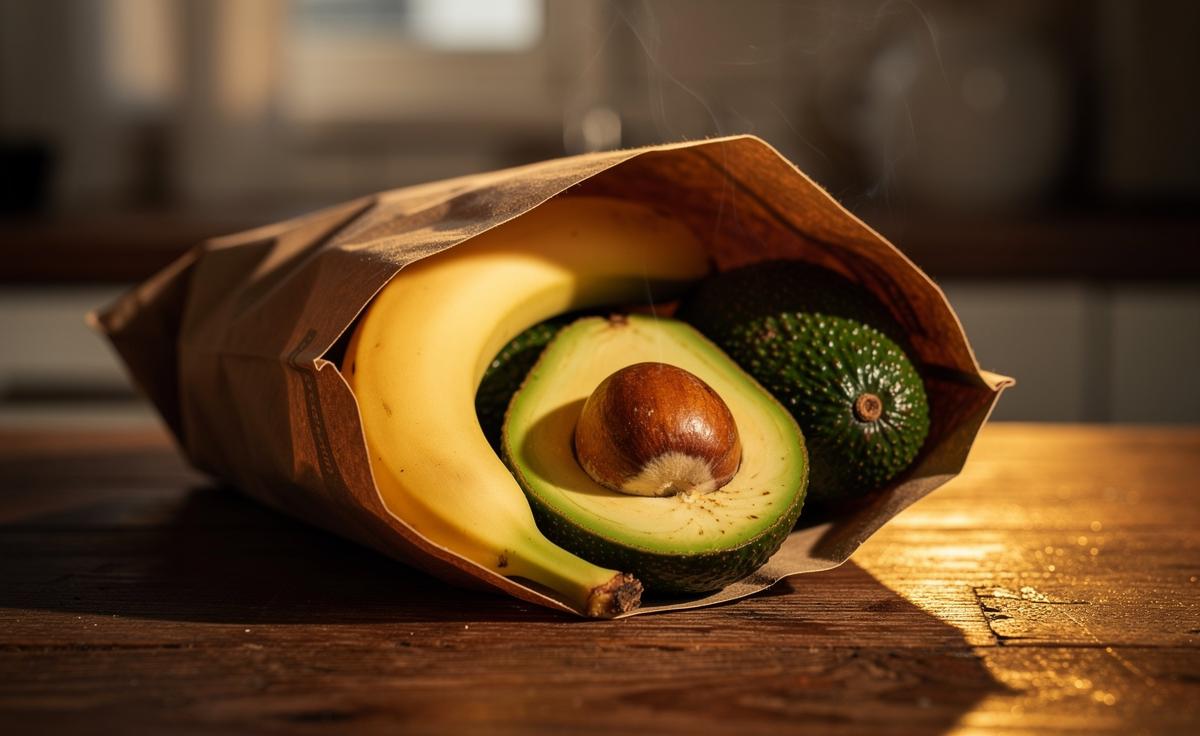
Rock-hard avocados can feel like a culinary stand-off: dinner wants guacamole, the fruit says “try again next week.” There’s a neat shortcut hiding in your fruit bowl. Pairing an avocado with a banana can speed ripening dramatically, sometimes in hours rather than days. The trick isn’t mystical; it’s chemistry meeting good kitchen sense. Bananas release ethylene, a natural plant hormone that accelerates ripening in climacteric fruits such as avocados. Pop them together in a paper bag, give the gas a confined space, and let biology do the heavy lifting. Handled right, this method preserves flavour while shaving precious time off the wait.
Why Bananas Fast-Track Avocado Ripening
The science is simple and elegant. Bananas produce copious amounts of ethylene, the gaseous hormone that triggers ripening cascades. Avocados, being climacteric, respond by ramping up respiration, switching on enzymes that convert starches to sugars and break down pectin in cell walls. Texture softens, aroma blooms, colour deepens. In open air, ethylene dissipates quickly, so the process is slow. In a lightly confined environment, the gas reaches meaningful concentrations without starving the fruit of oxygen. Ethylene is the switch that turns rock-hard fruit into something luscious. That’s why a banana is the perfect ripening partner: portable, generous with the gas, and already sitting on your counter.
A paper bag matters. Its fibres absorb moisture and allow a little airflow, preventing condensation that can invite mould. The bag also traps enough ethylene to create a microclimate the avocado can “read”. Within this pocket, biochemical signals accelerate: polygalacturonase loosens the avocado’s scaffold, while lipoxygenase pathways develop those nutty, grassy notes we crave. Temperature nudges the tempo. Around 18–22°C keeps flavour intact. Push much hotter and you risk rubbery flesh or off aromas. Keep it cool and the hormones drowse. The banana provides the catalyst; the bag sets the stage.
The Paper Bag Method, Step by Step
Start with firm avocados free of dents. Slip one or two into a brown paper bag with a ripe banana. Fold the top loosely—two turns is plenty—to hold ethylene while letting the fruit breathe. Leave the bag at room temperature, ideally a steady 20°C, out of direct sunlight. Check after 8–12 hours for early signs: a slight give near the stem, a deeper, greener scent. Rotate the fruit to avoid flat spots. Resist the urge to squeeze repeatedly; bruising speeds spoilage, not ripening. If your kitchen runs cool, add another banana or give it another day. Too warm? Open the fold a touch to slow the build-up.
When the avocado yields gently to thumb pressure, it is ready—use it that day for the best texture and taste. For tomorrow’s breakfast, move it to the fridge to pause the process. If you need speed but not haste, swap the banana for an apple or kiwi, both decent ethylene emitters with a slightly steadier hand. Avoid sealed plastic bags, which trap moisture, and never use an oven or microwave; heat simulates softness but wrecks flavour chemistry. The aim is controlled ripening, not cooked fruit.
| Set-up | Temperature | Expected Time | Notes |
|---|---|---|---|
| Avocado + banana in paper bag | ~20°C | 12–36 hours | Best balance of speed and flavour |
| Avocado + apple in paper bag | ~20°C | 24–48 hours | Milder ethylene, steadier pace |
| Avocado + banana, bag slightly open | 24°C+ | 8–24 hours | Crack the fold to avoid overheating aromas |
| Countertop, no partner | ~20°C | 2–5 days | Slow, uneven results |
Speed Versus Flavour: Getting the Balance Right
Fast is thrilling until the taste falls flat. Ripening drives a symphony of reactions—sugar build-up, oil maturation, volatile release—and rushing every section can blur the music. Keeping the bag at 18–22°C preserves nuance, ensuring the flesh stays buttery rather than rubbery. Too much heat increases respiration beyond what the seed’s reserves can support, leading to bland notes. Too little, and enzymatic pathways idle. The sweet spot is a gentle nudge, not a shove. If your avocado is nearly there, remove the banana and keep the bag; you’ll maintain microclimate benefits without overloading ethylene.
Once ripe, refrigerate to hold the line for two to three days. For meal planning, stagger fruit: one avocado with a banana, one with an apple, one alone. That laddered approach gives you ripe fruit across the week. Got a cut avocado that’s underripe? Pair the halved fruit (stone in) with a banana in a bag, flesh covered, and check within hours; it will soften, though a touch of lemon helps keep browning at bay. Texture and aroma should lead your decision-making, not just the clock.
Troubleshooting and Smart Variations
If the avocado stays stubbornly firm after a day with a banana, inspect the fruit’s past. Chilling injury from cold storage can stall ethylene sensitivity, leaving the exterior to soften while the centre lingers chalky. Give it more time at room temperature, or switch partners to a riper banana to boost the signal. A bruised avocado, by contrast, may soften fast but taste tired. In that case, deploy quickly in blended dishes where texture matters less. Not all fruit will ripen beautifully; starting quality still rules the outcome.
Variations help. A ripe kiwi or pear emits respectable ethylene, useful when you’re out of bananas. A bowl of dry rice with the fruit nestled in can stabilise humidity while the bag handles gas concentration, though it’s fussier. Newspaper works in a pinch if you craft a loose pouch. Skip plastic wrap and airtight tubs—they trap moisture and encourage off-flavours. And ignore the internet myth of microwaving; that only heats water, faking softness without building sugars or aroma compounds. For the greenest approach, plan your shop: buy a mix of stages, then use the banana-bag method as your accelerator rather than your emergency brake.
The banana-and-bag technique turns waiting into timing. By harnessing ethylene in a controlled microclimate, you secure ripe, flavour-packed avocados with minimal waste and zero gadgets. It’s fast when you need it, gentle when you don’t. Keep an eye on temperature, pick good fruit, and let chemistry whisper rather than shout. Soon you’ll be staggering ripeness like a pro, from Monday toast to Friday tacos, without a last-minute dash to the shops. Your move: will you try the banana partnership tonight, or do you have a smarter ripening trick to share with the rest of us?
Did you like it?4.7/5 (27)