In a nutshell
- 🍋 Citric acid recalibrates sweetness, reduces bitterness, and amplifies aroma—making berries taste sweeter without added sugar.
- 🔬 pH shapes colour and scent: anthocyanins brighten under acidity and volatiles lift, delivering an instant flavour boost.
- 🥄 Practical dosing: 1–2 tsp lemon per 250g strawberries/raspberries, 2–3 tsp for blueberries; add a pinch of salt or sugar, then rest briefly.
- 🧪 Texture and timing: acid lightly tightens pectin, maceration forms a glossy syrup; serve within 15–30 minutes to prevent softening.
- 🌿 Smart swaps and serves: lime, orange, citric acid powder, or verjus; pair with crème fraîche, herbs, or pepper to use less sugar yet taste more fruit.
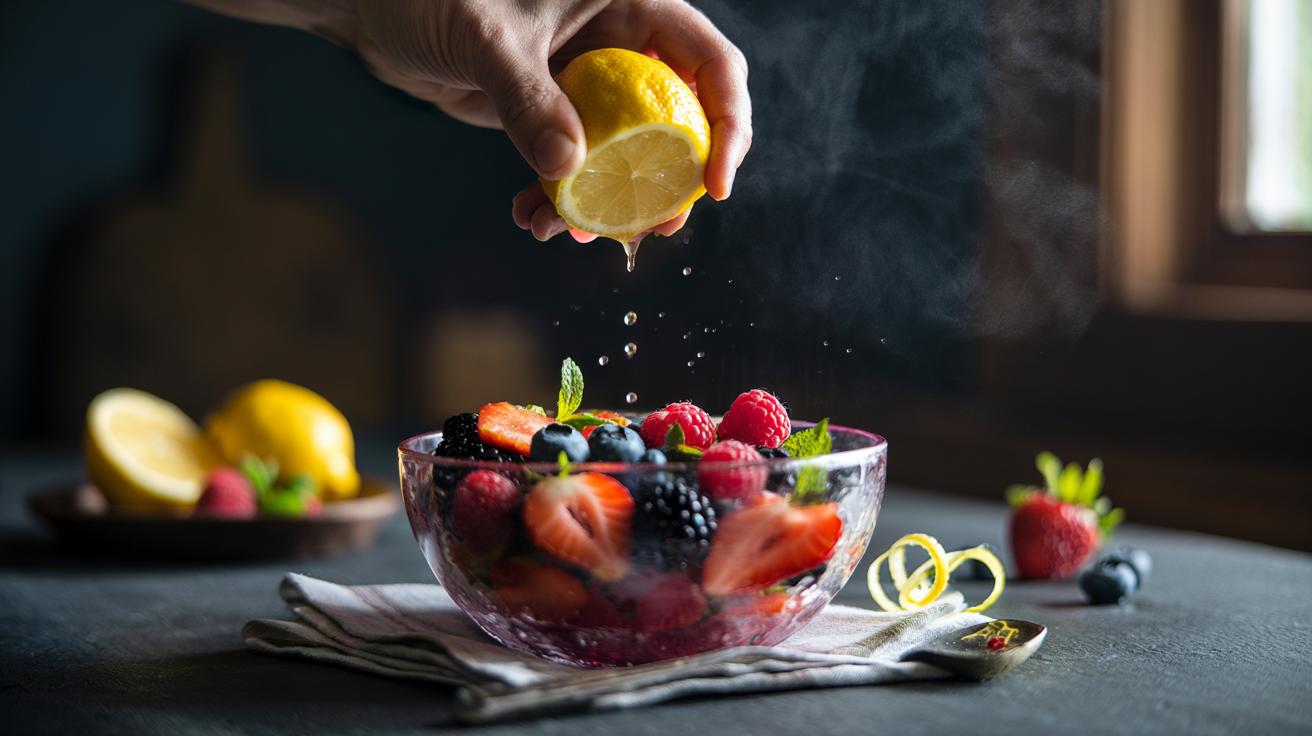
Drizzle lemon over berries and something magical happens. They taste sweeter, brighter, more like themselves. This isn’t culinary folklore; it’s chemistry at your fingertips. The sharp jab of citric acid recalibrates how we perceive sweetness, tamps down bitterness, and amplifies fruit aroma. A few drops can turn a flat punnet into a perfumed dessert. No waiting. No cooking. Acid tweaks flavour perception instantly because your tongue and nose read balance, not sugar alone. For home cooks and bakers chasing vivid fruit character without piling on refined sugar, lemon juice is an elegant, low-cost tool with outsized impact.
The Science of Acid-Sweet Balance
Our brains register sweetness in context. Add a little acidity and the entire flavour picture snaps into focus. Citric acid reduces the perception of bitterness in certain berries, while increased salivation spreads sugars and aromatics more evenly across the palate. This gives the impression of extra sweetness, despite no additional sucrose. Acid can make fruit taste sweeter without adding sugar because it optimises contrast. It’s the same sensory trick that makes salted caramel seem sweeter than caramel alone. With berries, the effect is even more dramatic because their natural sugars are modest and their aromatic compounds are delicate.
There’s also a colour and aroma story. Anthocyanins—the pigments that make berries red, purple, and blue—are intensely sensitive to pH. In a more acidic environment, reds look brighter and deeper, which the brain reads as riper. Meanwhile, acidity loosens up certain volatile compounds, nudging them into the air. You smell more strawberry. More raspberry. That perfumed cloud meets the tongue’s recalibrated sweetness and the result is striking. The power lies in balance: acid elevates sweetness, aroma, and appearance at once. That’s why lemon is the quiet hero of good fruit salads and glossy berry tarts.
How to Use Lemon Juice on Berries
The goal is precision. Start small, taste, adjust. For 250g (about 2 cups) of sliced strawberries or raspberries, begin with 1 to 2 teaspoons of fresh lemon juice. For blueberries, which are less acidic, you may need 2 to 3 teaspoons. Add a pinch of sugar only if needed; acid often reduces the requirement by half. A tiny pinch of salt—barely a fifth of a teaspoon—can heighten sweetness too. Toss, wait 3 to 10 minutes, then reassess. Acid works quickly; patience of just a few minutes lets juices form and flavours align. If you have lemon zest, a whisper adds floral top notes without extra tartness.
| Berry | Starting Lemon Juice (per 250g) | When to Add | Optional Extras |
|---|---|---|---|
| Strawberries | 1–2 tsp | After slicing; rest 5 min | Pinch sugar, zest |
| Raspberries | 1–2 tsp | Gentle toss; minimal stirring | Pinch salt |
| Blueberries | 2–3 tsp | Before maceration; rest 10 min | Zest, a drop vanilla |
| Blackberries | 1–2 tsp | After halving large fruit | Light brown sugar |
If berries are very underripe, dissolve 1 teaspoon of sugar in the lemon juice first, then pour and toss. For desserts that sit, keep acidity on the lighter side to avoid over-softening delicate fruit. With pavlova or Eton mess, dress the berries just before serving so the meringue stays crisp. The best results come from layering: a touch of acid, restrained sweetness, and minimal handling. Remember, bottled juice is fine in a pinch, but fresh lemon tastes cleaner and keeps aromas bright.
Texture, Aroma, and Colour: Why It Feels Fresher
Acidity doesn’t just sharpen taste; it changes mouthfeel and appearance. Lower pH can subtly tighten pectin structures in some soft fruits, helping slices hold their shape for a short window. At the same time, a modest maceration—when sugar and acid draw juice from the cells—creates a glossy syrup that coats each bite. The contrast between slick syrup and tender fruit tricks the palate into reading richness as sweetness. Aromatically, acidity lifts esters and other volatiles into the headspace of your bowl, so you smell more fruit with each forkful. That scent primes your brain to expect sweetness and ripeness.
Colour shifts complete the illusion. Anthocyanin pigments prefer an acidic stage; their reds intensify under lower pH, while blues subside. A pale supermarket strawberry suddenly looks like late June. That visual cue matters. We taste with our eyes first, and vivid colour nudges our expectations. Keep an eye on time, though. Overly long acid exposure, especially with very ripe raspberries, can soften flesh excessively. Serve within 15–30 minutes of seasoning. Think of lemon as a finishing tool: apply, brighten, and bring to table before the fruit slumps. You’ll get snap, gloss, and a bouquet that travels.
Smart Swaps and Serving Ideas
No lemons? You’ve options. Lime juice adds a floral edge that flatters blueberries; orange works when you want gentler acidity and citrus oils. A pinch of citric acid powder (food-grade) is brilliantly neutral—dissolve a quarter teaspoon in a tablespoon of water and add drop by drop. Acid is a seasoning, not a recipe; dose to the fruit in front of you. Pairings multiply the effect: a spoon of crème fraîche for creamy tang, basil or mint for high green notes, or freshly ground black pepper for a subtle lift. Even a splash of verjus offers grape-derived acidity without lemon’s citrus signature.
For low-sugar desserts, lean on structure and temperature. Chill the berries and the serving bowls; cold tightens flavours and keeps juices bright. Layer lemon‑kissed fruit over Greek yoghurt, meringue shards, or a thin almond sponge. In drinks, muddle berries with lemon and a touch of honey, then top with soda for a swift spritz. If baking, acidulate fillings lightly before adding to pastry to preserve colour through the oven. The right acid lets you use less sugar while tasting more fruit. That’s the culinary economy of flavour British kitchens have long prized.
In the end, lemon juice doesn’t hide flaws—it reframes them. By resetting pH, lifting aroma, and balancing sweetness against tartness, citric acid makes berries feel ripe, even when spring weather or supermarket logistics say otherwise. A teaspoon can be transformative. So can patience and tasting as you go. Season fruit the way you season soup: to balance, not to a fixed rule. The next time your berries taste shy, will you reach for the lemon first—and what new pairing might you try to make that brightness sing?
Did you like it?4.7/5 (24)