In a nutshell
- 🧪 Raises surface pH to relax proteins, reduce moisture loss, and turbocharge Maillard browning for a tender, juicy crust.
- ⏱️ Use about 1/2 tsp baking soda per 450 g; rest 15–30 minutes (shorter for thin cuts), then rinse and dry for steaks and chops.
- 🥩 Best for steaks, chops, stir‑fry strips, and mince; skip for long braises. Always use baking soda (sodium bicarbonate), not baking powder.
- 🧽 Fix issues fast: soapy taste means too much soda or time; rinse next round, dry thoroughly, and finish with a bright acid to balance.
- 👨🍳 Pro moves: try light velveting for stir‑fries, combine with a brief dry brine, and sear on high heat for an exceptional crust.
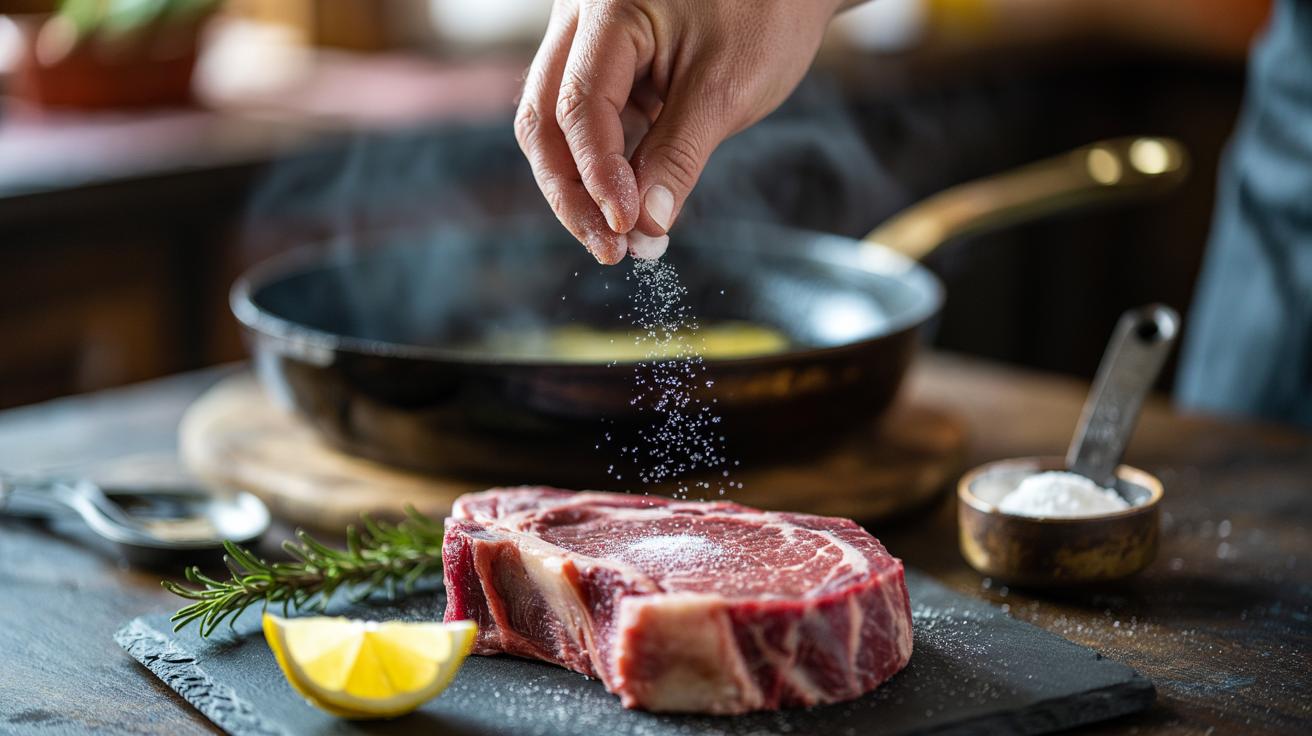
A cheap white powder in the baking aisle can turn chewy chops into succulent suppers. The trick is baking soda, used not as a leavening agent but as a swift tenderiser. By raising the surface pH of meat, it relaxes proteins so they contract less during cooking, holding on to more juice. The best part? It’s fast. Think minutes, not hours. A light sprinkle before a hot pan or sizzling grill can transform texture and boost browning too. Small quantity, short contact time, big payoff. Below, a science-backed guide to the method British cooks are quietly adopting for reliably juicy results on weeknights and special occasions alike.
Why Baking Soda Works on Meat
Meat turns tough when muscle fibres clamp tight and squeeze out moisture. A pinch of baking soda changes that dynamic. It makes the surface environment more alkaline, which affects myosin and other proteins responsible for binding. With a slightly higher pH, they don’t knit together as aggressively in the heat, so less liquid is lost. You feel the result immediately: bites that are bouncy-soft rather than rubbery, with a sheen of retained juices instead of a dry crumb. The magic is pH—nothing more exotic than that.
There’s a bonus for flavour and colour. An alkaline surface speeds Maillard browning, sharpening savoury notes and delivering a better crust. This separates soda from salt brining and enzyme tenderisers: it acts quickly on the exterior, doesn’t break meat down into mush, and works without hours of planning. It’s not a cure-all for every cut—long-braise joints still benefit from time—but for chops, steaks, mince, and stir‑fry strips, it’s a clever shortcut. Used properly, it’s undetectable. Overdo it and you’ll taste soap. That’s your signal to dial back the dose or shorten the wait.
Step-by-Step: The Quick Sprinkle Method
First, weigh or eyeball your meat. For steaks, chops, and cutlets, use about 1/2 teaspoon baking soda per 450 g of meat, sprinkled evenly on all sides. For stir‑fry strips, go slightly stronger or dissolve the soda in a splash of water to coat. For minced meat, mix it gently through—don’t overwork. Set the treated meat aside at room temperature for a short spell: 15–20 minutes for thin pieces; up to 30 minutes for a thick steak. With baking soda, more time is not better.
Next, address flavour. For steaks and chops, a quick rinse under cold water helps remove any excess soda; then pat very dry with kitchen paper. For mince and strips used in sauces, skip rinsing and season assertively to balance the alkalinity. Heat a pan until properly hot, add oil, and sear. High heat is your friend here: that slightly elevated pH means fiercer browning, faster. Finish with butter, herbs, or a squeeze of lemon to brighten. Taste, then salt. You’ll notice you need a fraction less than usual, because you’ve retained more natural meat juices.
Timing, Cuts, and Safety
Different cuts, different rules of thumb. Lean beef or pork benefit quickly; poultry breast strips tenderise beautifully; lamb leg steaks respond well; fatty cuts need less help. Keep contact times short to avoid off‑flavours and mushy edges. And always use baking soda (sodium bicarbonate), not baking powder. Never confuse the two—they are not interchangeable. If sodium is a concern, rinsing significantly reduces residue. For food safety, treat soda as you would any seasoning: clean hands, clean boards, and don’t leave raw meat sitting out for long beyond the recommended window.
| Meat/Cut | Typical Thickness | Baking Soda Amount | Contact Time | Rinse? | Notes |
|---|---|---|---|---|---|
| Beef steak/chop | 2–3 cm | 1/2 tsp per 450 g | 20–30 mins | Yes | Pat very dry for strong sear |
| Stir‑fry strips (beef/pork) | 5–8 mm | 3/4–1 tsp per 450 g | 15–20 mins | Optional | “Velveting” style; quick toss in wok |
| Chicken breast strips | 1–1.5 cm | 1/2–3/4 tsp per 450 g | 15 mins | Optional | Season well after treatment |
| Minced meat | — | 1/2 tsp per 450 g | 10–15 mins | No | Mix lightly; don’t compact burgers |
If you’re planning a slow braise, skip the soda; collagen needs time, not alkalinity. Likewise, cured or dry‑aged steaks already carry complexity—use a lighter hand or not at all. When in doubt, test a small piece first. If you can taste soda, you used too much or waited too long—adjust next time.
Troubleshooting and Chef Tips
Soapy taste? You either used too much baking soda or the meat sat too long. Fix it by rinsing thoroughly next time and trimming the dose. Mushy edges? Shorten contact time and avoid leaving thin pieces in a wet slurry. Patchy browning? You didn’t dry the surface enough—moisture kills crust. To keep flavour bright, add a quick acidic note at the end: lemon, vinegar, or a splash of dry wine. A tiny acid hit counterbalances the alkalinity beautifully.
For weeknight speed, pre‑portion steaks, label with suggested ratios, and treat while the pan heats. With mince, blend soda first, then salt and spices; this protects moisture without tightening the proteins prematurely. Combine with classic techniques: a brief dry brine after rinsing for depth, or the Chinese-style velveting approach (cornflour, oil, and soda) for ultra‑tender stir‑fries. Pair with high heat and patience—let the crust form before flipping. Finally, remember restraint. The goal is tender and juicy, not chemically soft. Measure, time, and taste, and the method becomes second nature.
Used with a light touch, baking soda is a home cook’s hush‑hush ally: faster browning, less moisture loss, better texture. It won’t replace slow cookery or a butcher’s wisdom, yet it sculpts reliable midweek meals into something restaurant‑worthy with almost no effort. Start with a single steak, or a handful of chicken strips, and note the difference on the plate and in the pan. Then tweak the dose to your taste and your cooker’s quirks. What cut will you try first, and how will you season it to make the most of that tender, juicy finish?
Did you like it?4.4/5 (21)