In a nutshell
- 🏷️ Tighter labeling and claims in 2026: evidence-backed protein metrics (PDCAAS/DIAAS), clearer allergen messaging, and enforceable green claims.
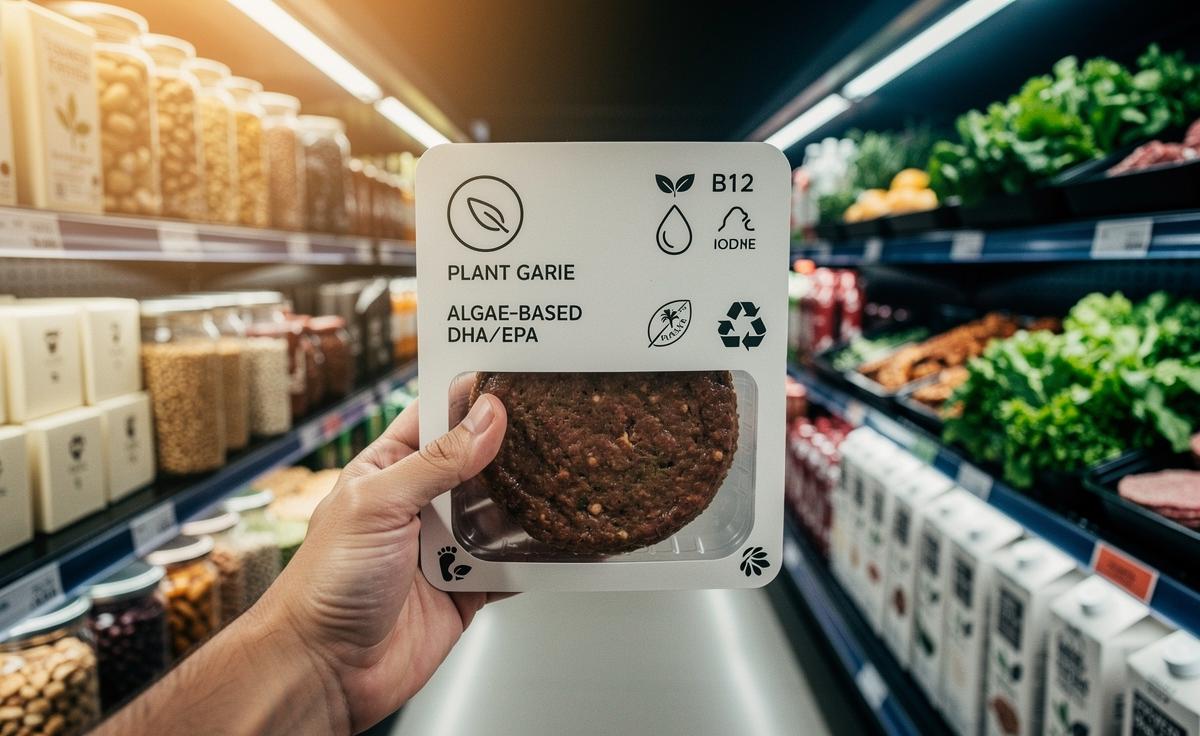
- 🍽️ Prioritise nutrient adequacy: target 20–30 g protein per meal, rely on B12/iodine fortification, consider algae-based DHA/EPA, and mind calcium and vitamin D.
- 🧪 Balance convenience with health: distinguish minimally processed foods from ultra-processed analogues; check salt, fibre, and protein density, not just “plant-based” claims.
- 🌍 Demand credible sustainability: prefer product-level carbon footprints using ISO 14067/PAS 2050, and look for deforestation‑free soy, RSPO palm, and recyclable packaging.
- 🌱 Practical shopping habits: choose fortified staples, build meals around whole plants, and use one clear criterion to separate evidence from marketing gloss.
Plant-based eating is no longer a niche. It’s the weekly shop, the work canteen, the school dinner menu. In 2026, the UK’s plant-based aisle won’t just be bigger—it will be governed by tighter claims standards, clearer allergen messaging, and tougher scrutiny of environmental credentials. That means fewer vague buzzwords and more quantifiable facts on pack. It also means a sharper focus on nutrient adequacy, from B12 to iodine, and more transparency on processing. Some changes are legal, others are market norms hardening into expectations, but consumers will feel them. It’s the year when evidence, not hype, will shape plant-based choices.
Labeling and Claims: What Changes on the Pack
Health halos are out. Evidence is in. Expect stricter policing of nutrition and health claims—those “high protein” promises and “supports immunity” statements—through UK rules inherited from EU law and beefed-up enforcement against misleading marketing. The Competition and Markets Authority’s Green Claims Code already demands proof; new consumer protection powers mean sanctions can bite. If a claim sounds sweeping, look for the method or metric. For protein quality, credible brands increasingly cite PDCAAS or DIAAS. “Complete protein” must be justifiable, not a vibe. Fortification claims—“source of B12,” “high in iron”—require minimum levels per 100 g or per portion and must be listed in the nutrition panel.
Allergens will be clearer. Precautionary allergen labeling (PAL) is moving toward plain phrasing like “may contain sesame,” avoiding woolly wording. Natasha’s Law continues to apply for prepacked food for direct sale, keeping full ingredients and emphasized allergens visible. Front-of-pack traffic lights aren’t new, but expect wider, consistent use, especially for salt and free sugars in meat alternatives. Always read the nutrition table, not just the headline claim. If a product shouts “plant-based,” ask: how much protein per 100 g? how much salt? what’s the fortification profile?
| Claim Type | Proof You Should See | Practical Tip |
|---|---|---|
| High Protein | g per 100 g/portion; PDCAAS/DIAAS mention | Target 20–30 g per meal |
| Source of B12/Iodine | Fortified in ingredients; %NRV listed | Look for 15% NRV or more |
| Low Environmental Impact | Method (e.g., ISO 14067, PAS 2050) | Prefer product-specific numbers |
Nutrients That Matter: Protein, B12, Iodine, and Omega‑3
Balanced plant-based diets work brilliantly when key nutrients are planned. Start with protein. Aim for roughly 20–30 g per meal, especially at breakfast and lunch. Mix legumes with grains—beans on toast, hummus with wholemeal pitta—for complementary amino acids. Soy, pea, and lupin deliver higher quality; check brands that disclose PDCAAS or DIAAS. “Plant-based” is not a synonym for “protein-rich”. Some products lean heavy on starch and oil, light on protein. Read the per-100 g line, not just the portion guidance.
Next, vitamin B12. Unfortified plants don’t supply it. Choose fortified milks, yoghurts, nutritional yeast, or consider a supplement if intake is erratic. Iodine protects thyroid function; the UK doesn’t widely iodize salt, so fortified plant milks can help. Go careful with seaweed: nori is modest, kelp can be excessive. For omega‑3, prioritise ALA from flax, chia, and walnuts, and look for microalgae-based DHA/EPA if you want a direct marine-equivalent source. Don’t forget calcium and vitamin D (choose D3 from lichen or D2); and pair plant iron with vitamin C—think lentil curry with a citrus salad. Fortification is your friend, not a failure of the diet.
Ultra-Processing, Additives, and Whole-Food Balance
Not all plant-based products are equal. Some are minimally processed (tofu, tempeh, plain beans). Others are ultra‑processed: long ingredient lists, multiple additives, refined fats. The NOVA classification has sparked intense debate, but consumers want clarity. Here’s a pragmatic lens: check ingredients you recognise, fibre per 100 g (aim high), and salt levels (keep total daily intake under 6 g). Emulsifiers like methylcellulose are common in meat analogues; safety is regulated, but texture trade‑offs exist. Don’t confuse “vegan” with “healthy”. You can assemble a brilliant diet from pulses, grains, nuts, seeds, vegetables—and still enjoy a burger‑ish treat.
What does “better” look like? Shorter lists. Decent protein density. Oils used sparingly, preferably high in unsaturated fats. Fermented options—tempeh, kefir-style soya—bring flavour and digestibility. Wholegrain bases keep blood sugar steadier than refined starches. Batch‑cook beans, roast trays of veg, keep frozen edamame on hand. Then deploy convenience where it counts: a fortified milk in porridge, a high‑protein seitan or tofu for speed. Your routine, not any single product, determines the processing profile of your diet.
Sustainability and Sourcing: Proving the Planet Claims
Carbon labels are arriving in two flavours: sweeping averages and product‑level footprints. Prefer the latter, and look for methods such as ISO 14067 or PAS 2050 that consider scope 3 emissions. Numbers should state system boundaries and year of assessment. If a pack touts “low impact,” ask: per kilogram or per serving? Field to shelf, or cradle to grave? Without a method, a climate claim is marketing poetry. The same scrutiny applies to water use and biodiversity metrics, which are maturing but still uneven across categories.
Sourcing matters. UK-grown pulses are expanding fast, cutting food miles and supporting rotations that improve soil health. Look for deforestation‑free soy commitments and credible RSPO certification if palm oil appears. Packaging is shifting under producer responsibility rules, so recyclability will be flagged more plainly; check local capabilities, not just logos. Refills and concentrates reduce weight in transport. And seasonality still counts: a winter stew built on British beans and roots can beat a summer salad flown half the world. Sustainability is a chain of choices—farm, factory, freight, kitchen.
In 2026, the best plant-based choices will be transparent, nutritionally robust, and honestly sustainable. That’s liberating. It gives power back to the shopper willing to read a label and ask one extra question. Prioritise fortified staples, push for evidence‑backed claims, and build meals around whole plants, not just their replicas. Then enjoy the innovation—clever proteins, fermented flavours, smart packaging—without losing sight of the basics. The rules are sharpening, but the aim remains simple: eat plants that love you back. As you scan the aisle this year, what single criterion will you use to separate marketing gloss from a product truly worth buying?
Did you like it?4.4/5 (26)