In a nutshell
- 🍯 Quick stirring disperses flour fast, prevents lumps, distributes heat evenly, and delivers a glossy, uniform sauce texture.
- 🥄 Choose plain flour and match the method to the job: roux for stability, slurry for speed, beurre manié for finishing control.
- 🔥 Technique matters: whisk vigorously as liquid is added, keep the sauce moving, manage heat, and cook off raw flour taste after thickening.
- ⚖️ Work with clear ratios: about 10–12 g flour per 100 ml for light body or ~15 g for nappe; simmer to set but avoid prolonged boiling.
- 🧰 Troubleshooting: thin with hot stock, thicken in stages, sieve if lumpy, use a balloon whisk, and scrape the pan to prevent scorching.
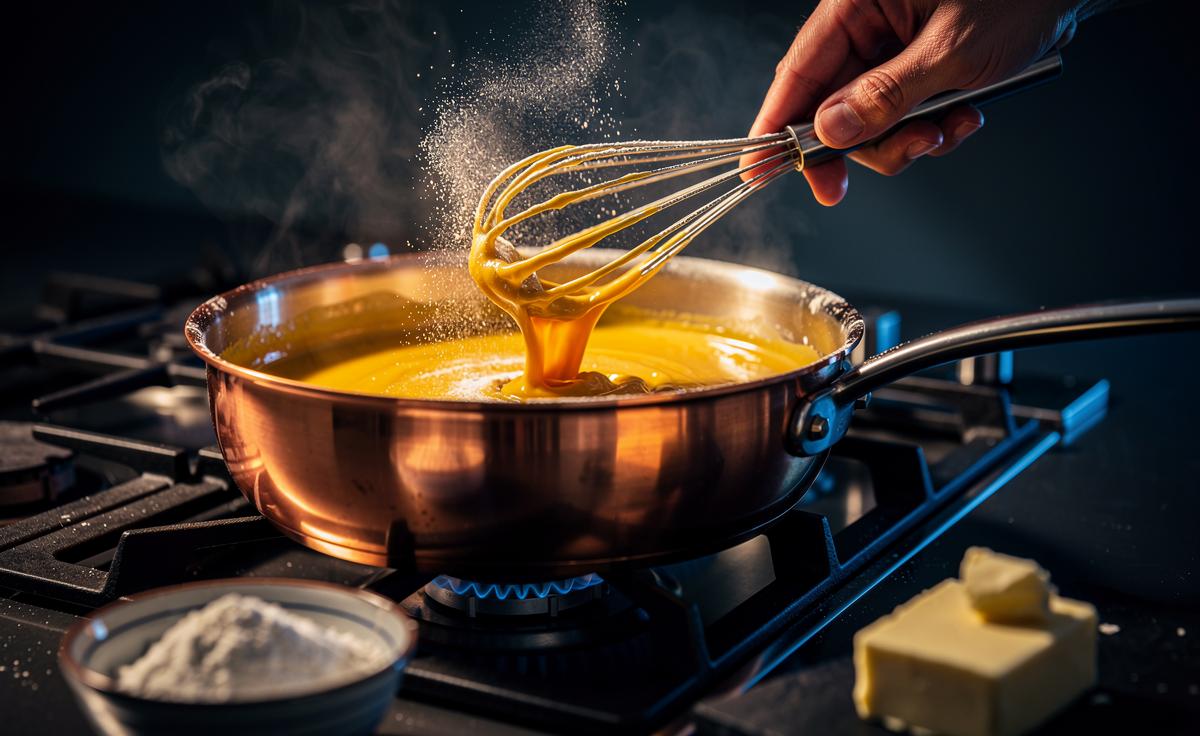
From Sunday gravy to a velvety cheese sauce, the difference between forgettable and unforgettable often lies in texture. Cooks reach for flour because it is inexpensive, accessible, and predictable, yet the secret rarely whispered is speed. Specifically, quick stirring. Move fast and the sauce turns glossy, coats the back of a spoon, and clings to food with elegance. Hesitate and you invite lumps, dull flavour, or a scorched base. In busy home kitchens, technique must be reliable. In restaurant ones, it must be repeatable. The trick is dispersing flour before heat locks it into clumps, then whisking through the gelatinising stage with confidence. That single habit pays delicious dividends.
Why Speedy Stirring Matters
When flour meets liquid, starch granules swell as they hydrate. Add heat and they begin gelatinisation, which increases viscosity. If flour sits in one place, those granules fuse into gummy clusters that refuse to break down. Rapid, consistent stirring keeps particles suspended, distributes heat evenly, and prevents the hot spots where lumps are born. It also introduces just enough shear to align thickening polymers without tearing them apart. The result? A sauce that looks professional, with a uniform sheen and no chalky pockets.
Quick stirring is also your insurance policy against scorching. As viscosity rises, the sauce resists movement and sticks to the pan; swift whisking scrapes the bottom and sides, keeping everything in motion. Equipment matters too. A balloon whisk gives more contact than a spoon, especially along the rim where paste likes to hide. Heat control helps but cannot substitute for pace. Get the flour moving before the pan gets ahead of you. In practice, that means whisk first, then adjust the flame, not the other way around.
Choosing the Right Flour and Method
Start with plain flour (all-purpose). It balances starch and protein, thickens predictably, and disappears into both savoury and sweet sauces. Strong bread flour carries more protein; it can go gluey. Self-raising is a no: the chemical leavening compromises flavour and clarity. Wholemeal flour lends nutty depth but speckles sauces and brings gentle grain. If presentation matters, strain or choose a lighter grind. For the method, match time and texture. A roux (flour cooked in fat) offers flavour and stability for gravies and mac-and-cheese. A slurry (flour shaken with cold stock or water) is a speedy fix for pan sauces. Beurre manié (equal parts flour and butter kneaded) is ideal for finishing stews without fuss.
Method dictates how fiercely you must stir. Roux-based sauces need vigorous whisking as liquid is added, then steady movement as they thicken. Slurries demand brisk, immediate agitation the moment they hit a simmer. Beurre manié drops in as soft pellets; stir quickly until they melt and vanish. Consider clarity and mouthfeel. Roux gives silk and depth. Slurries can look slightly cloudier but work brilliantly when seconds matter. Beurre manié sits between, offering control late in cooking. Choose the tool for the job, then move with purpose.
| Method | Typical Flour:Liquid | When to Use | Stirring Speed | Cook Time | Overcook Risk |
|---|---|---|---|---|---|
| Roux | 1 tbsp per 150–200 ml | Gravy, cheese sauce | Vigorous when adding liquid | 5–15 minutes | Scorching if unattended |
| Slurry | 1 tbsp per 200 ml | Quick pan sauces | Immediate, brisk whisking | 2–4 minutes | Lumps if poured slowly |
| Beurre manié | Equal parts butter and flour | Finishing stews | Fast until dissolved | 3–6 minutes | Greasy if under-mixed |
Technique: From Roux to Rescue Slurry
For a classic roux, melt butter or warm oil, stir in flour, and cook until it smells toasty—blond for delicate sauces, darker for deeper flavour. Off the heat, splash in a small amount of cold or room-temperature liquid. Whisk like you mean it. Once smooth, return to the hob and add the rest in increments, keeping the whisk moving in tight circles. Bring to a gentle simmer; as the sauce crosses the crucial heat band, it will thicken. Season only after thickening to avoid oversalting.
If time is short, mix flour with cold stock in a jar and shake hard. That’s your slurry. Drizzle it into a simmering pan in a thin stream while whisking quickly. Pause to assess. Add more in stages if needed. For finishing, pinch off bits of beurre manié and whisk in until the sauce barely coats a spoon. Always cook flour for at least a minute after thickening to drive off raw taste. If the sauce seizes, add a splash of hot liquid and whisk faster—momentary thinning often unlocks perfect body.
Troubleshooting and Texture Fixes
Lumps happen. Don’t panic. Hit the pan with a small ladle of hot liquid and whisk fiercely, focusing on the corners. Still bumpy? Pass through a fine sieve, then return to the heat and continue whisking. If a sauce tastes floury, it hasn’t cooked enough; keep it at a gentle simmer, stirring regularly for a few minutes. Too thick? Thin with hot stock or milk in small additions. Too thin? Add a touch more slurry or a knob of beurre manié, but give the existing starch time to fully hydrate before deciding. Patience saves you from adding more flour than you actually need.
Ratios guide you. As a rule of thumb, about 10–12 g flour will lightly thicken 100 ml liquid; 15 g gives a spoon-coating nappe. Remember salt perception rises as liquids reduce, so adjust late. Keep heat moderate; starches can break down with extended boiling, loosening sauce. If fat pools on top, you may have rushed the emulsion—whisk vigorously or blend briefly with an immersion blender. For make-ahead gravies, cool quickly, then reheat gently with a splash of stock, whisking to restore shine.
A flawless sauce reflects calm technique more than clever ingredients. Flour delivers because it is dependable, but the hand that holds the whisk truly decides the finish. Quick stirring prevents lumps, polishes texture, and rescues pans teetering on the edge of disaster. It also makes you faster and more confident, which shows up on the plate. Develop that instinct to whisk the moment flour meets liquid and you will rarely go wrong. What dish on your table could be transformed this week by a smoother, silkier sauce—and which method will you reach for first?
Did you like it?4.7/5 (25)