In a nutshell
- 🗺️ Map your fridge with purpose: create clear zones (breakfast, leftovers, “Cook Tonight”) and place essentials at eye level to reduce decision fatigue and speed meal prep.
- ⏱️ Boost visibility to save time: use labels, clear trays, and an Eat First area to prevent rummaging and duplicate buys, then maintain it with a quick weekly reset.
- 🧪 Store by science: keep raw meat low, dairy mid-shelf, condiments in the door, and set the fridge to 4°C; use the right crisper humidity to prolong freshness and safety.
- 🔁 Practice FIFO: rotate stock so the oldest sits front, date leftovers, and corral odds-and-ends in clear containers to cut food waste and midweek stress.
- 🎯 Prioritise function over aesthetics: containerising has pros and cons—avoid over-decanting and over-stocking that hide use-by dates and block airflow; aim for practical, sustainable setups.
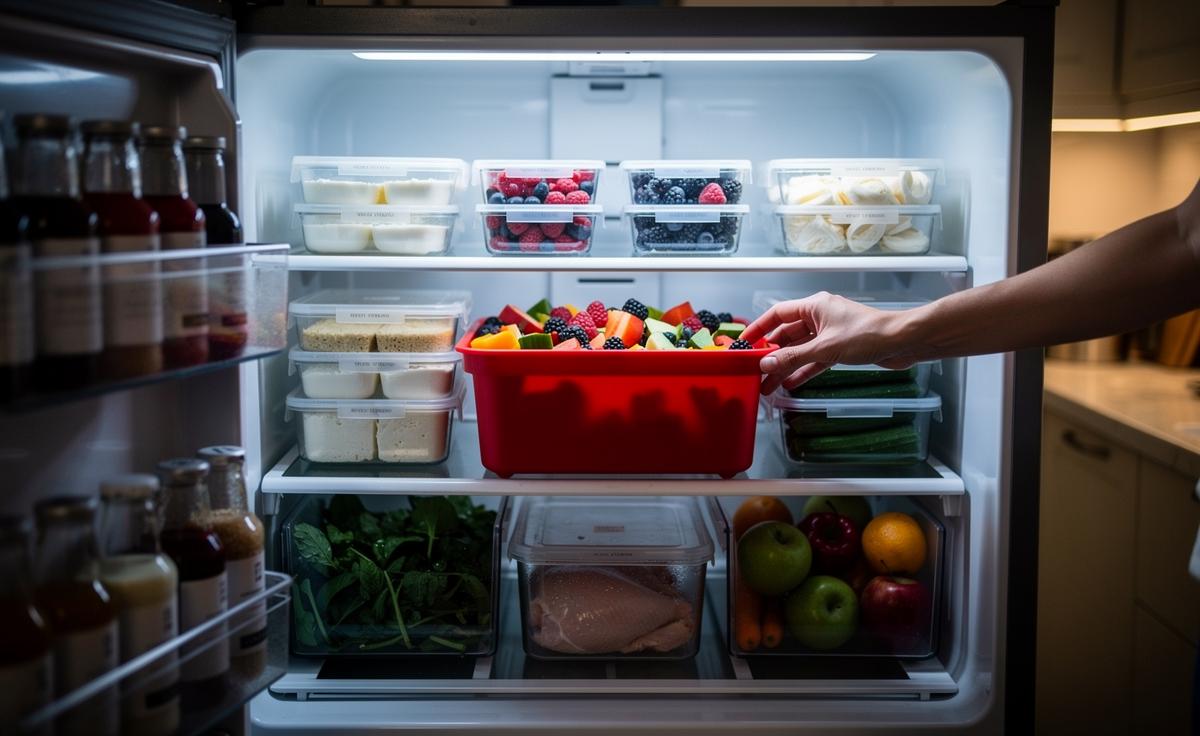
For many UK households, the fridge is a chaotic crossroads of half-used sauces, forgotten leftovers, and ambitious veg purchases that never quite make it onto the plate. Yet the fix is surprisingly simple: rearrange the layout with purpose. By zoning your shelves and introducing a basic labelling routine, you can shave minutes off every meal prep and markedly cut spoilage. A tidy fridge is a time-saving device, not a decor project. From my reporting across British kitchens—from student flats to family homes—systems that prioritise visibility, FIFO (First In, First Out), and temperature-aware storage consistently deliver fewer bin trips and calmer weekday cooking.
The Time-Saving Logic of a Structured Fridge
Think of your fridge as a newsroom: clarity beats clutter. When similar items live together, your brain forms a reliable map. That means fewer micro-decisions and less rummaging. Place everyday essentials—milk, yogurt, sandwich fillings—front and centre at eye level. Keep breakfast on one shelf and a “cook tonight” box for proteins and prepped veg on another. Every second you don’t spend scanning shelves is a second you gain for seasoning, stirring, or serving. In interviews I’ve conducted, home cooks who adopt this zoning report quicker starts and fewer “Where did I put the cheese?” delays.
A case in point: A teacher in Salford told me she clawed back about 10 minutes on school-night dinners simply by grouping components for repeat meals—stir-fry sauces with noodles and sliced peppers in a clear tray. She didn’t cook faster; she started faster. Critically, she also stopped double-buying condiments because she could see what she already had. Visibility is the cheapest productivity tool you’ll ever install.
This time dividend compounds across the week. When your fridge mirrors your routine—breakfast high, batch-cook containers mid-shelf, leftovers on the front rail—you avoid the stop-start friction that kills momentum. Add a visible “Eat First” zone for items nearing their use-by date, and your decision-making becomes automatic: what sits there gets cooked first. That alone defuses the 6 p.m. panic, and it quietly trims your food bill.
The Food Science: Zones, Temperatures, and Shelf Strategy
Fridges are not uniform boxes of cold. The door is warmest, shelves vary, and drawers modulate humidity. Use those physics to your advantage. Put raw meat and fish on the lowest shelf or a dedicated meat drawer to reduce cross-contamination risk if packages drip. Reserve the middle shelves (most stable temperature) for dairy and cooked leftovers. The door suits robust items like condiments, butter, and juices. Placing food where the temperature best suits it doesn’t just preserve flavour; it prolongs safety.
Humidity matters, too. Most UK fridges have crisper drawers: one “high humidity” for leafies and herbs; one “low humidity” for apples, peppers, and mushrooms. Keep greens washed, dried, and in breathable bags; stash berries on a paper towel in a lidded container. Store eggs in their original carton on a cooler shelf to minimise odour absorption and protect from temperature swings. Set your fridge to about 4°C—cold enough to slow bacteria, not so cold that lettuce turns to glass.
| Zone | Best For | Why It Works |
|---|---|---|
| Top/Middle Shelves | Dairy, leftovers, ready-to-eat | Stable temperature preserves texture and safety |
| Bottom Shelf/Meat Drawer | Raw meat, fish | Coldest area; reduces drip risk onto other foods |
| Crisper (High Humidity) | Leafy greens, herbs | Moist air slows wilting |
| Crisper (Low Humidity) | Apples, peppers, mushrooms | Drier air prevents mould and sogginess |
| Door | Condiments, juices | Warmer zone suits stable, acidic, or pasteurised items |
These evidence-led placements dovetail with UK guidance on food safety and cut waste by days, not hours. Store by science, not by habit. Combine that with honest labelling—date leftovers with a simple sticker—and you’ll stop losing good food to the cold, dark corners.
A Practical 20-Minute Reset: Step-by-Step and FIFO
Set a timer for 20 minutes. First, sweep and bin the obvious: anything past its use-by or irretrievably spoiled. Wipe shelves quickly with hot, soapy water. Next, group by category on the counter—dairy with dairy, sauces with sauces—so you can spot duplicates. Organising on the counter prevents chaos inside. Now rebuild the fridge by zones: ready-to-eat at eye level, raw proteins low, produce in appropriate drawers. Place an “Eat First” tray at the front and put near-dated items there.
Adopt FIFO: oldest items placed front-most, newest at the back. Use small, clear containers for odds and ends—half an onion, open feta, sauce sachets—so they stay visible. Label leftovers with the date and a cue (“curry sauce—add chickpeas”). A nurse I interviewed in Cardiff made this her Saturday habit; she says it cut Sunday-night takeaway temptations because she could see what needed using.
Finally, reduce friction: keep a pen and sticky dots in the utensil drawer; save a shallow box for school-lunch components; pre-chill drinks so they don’t hog cooling power. If space is tight, think vertical—stackable tubs with lids. Make the right choice the easiest choice, and you’ll make it every time. This is how a one-off reset becomes a sustainable, ten-minute weekly ritual that protects both your time and your grocery budget.
Pros and Cons: Why Aesthetic Fridge Trends Aren’t Always Better
Those pristine, colour-coordinated fridges on social feeds promise serenity, but they can add work without adding function. The pros: uniform containers improve visibility, curb spills, and help stack awkward items. Clear bins can corral snacks for kids and ring-fence an Eat First area. The cons: decanting everything hides use-by dates, adds extra washing-up, and can break the cold chain if you linger with the door open. Good organisation should speed you up, not slow you down.
There’s a sustainability wrinkle, too. Buying sets of plastic boxes to “get organised” contradicts the goal of cutting waste. Repurpose jars, ice-cream tubs, and takeaway containers where possible. Keep original packaging for short-life items—salad leaves and soft cheeses—so storage guidance and dates stay visible. And beware over-stocking in pursuit of symmetry: a jam-packed fridge restricts airflow, creating temperature variability that actually shortens shelf life.
The pragmatic middle path wins. Use containers strategically—one for leftovers, one for snacks, one for raw proteins—while keeping labels obvious and the layout aligned with temperature zones. Function beats aesthetics when the door closes. Your measure of success is simple: fewer forgotten items, faster meal prep, and a smaller bin on collection day. That’s organisation doing its real job.
Rearranging your fridge is less about perfection and more about repeatable habits that save time, money, and food. UK charity research has long shown households can save around £60 a month by reducing waste; a zoned, labelled fridge nudges those savings into reality. After your first 20-minute reset, the weekly upkeep is a breeze, and the Eat First tray becomes your meal-planning ally. The proof is in the empty bin and the calm dinner hour. How will you rework your shelves this week so tonight’s dinner practically chooses itself?
Did you like it?4.4/5 (27)