In a nutshell
- ☕ Distinguish fresh vs. spent coffee grounds: spent grounds hover near neutral (≈6.2–6.8) and offer gentle pH maintenance, not dramatic acidification due to soil buffering.
- 🌱 Boost the soil food web: grounds add organic matter (C:N ≈ 20–24:1), energise microbes and worms, and improve structure; compost first to reduce nitrogen immobilisation and allelopathic effects.
- 🧰 Apply smartly: keep grounds ≤10–20% of compost, mix mulch at ~1:3 with browns, avoid layers thicker than 1 cm, use modest rates (2–5 L/m² per season), and store dry; keep large quantities away from dogs.
- 🌸 Match plants to pH: excellent for blueberries, azaleas, camellias; supports blue hydrangeas with sulphur; use lightly for tomatoes and strawberries; go easy with brassicas and lavender; for alkaline soils, rely on targeted amendments after a soil test.
- 🔁 Think strategy, not silver bullet: coffee grounds shine as part of a soil-first approach—improving tilth, moisture balance, and microbial vitality—while slug/cat deterrence claims remain mixed.
Every brew leaves a story in the cup—and in the garden. Those fragrant, leftover coffee grounds can be quietly transformative, helping gardeners fine-tune soil conditions while feeding the underground workforce of microbes and worms. Instead of binning them, channel that spent energy into your borders and beds. Used wisely, grounds can support soil structure, moisture balance, and, crucially, the pH sweet spot for acid-loving plants. But there’s nuance. Fresh grounds aren’t the same as spent. Soil chemistry matters. So do rates and timing. Think of coffee grounds as a gentle nudge, not a sledgehammer, in the quest to balance soil acidity. Here’s how to make them your quiet advantage.
How Coffee Grounds Actually Affect Soil pH and Life
The pH of coffee grounds depends on whether they’re fresh or spent. Fresh grounds skew acidic, typically around pH 5–5.5. Once water has extracted acids into your cuppa, spent grounds tend to hover nearer neutral—often between pH 6.2 and 6.8. That means they can help maintain a slightly acidic tilt in soil, but they won’t sharply acidify it. Don’t expect spent grounds to dramatically shift an alkaline, chalky bed. The soil’s natural buffering capacity usually blunts small inputs.
What they do brilliantly is feed biology. With a carbon-to-nitrogen ratio around 20–24:1, coffee grounds energise microbial activity and improve soil structure. As microbes feast, they can temporarily tie up nitrogen, a process called immobilisation. Seedlings can sulk during this window. Work around it by mixing grounds into compost rather than sowing directly into freshly amended soil. Potentially allelopathic compounds, including caffeine and phenolics, mostly break down during composting. Worms enjoy the buffet in moderation, shredding particles and boosting aggregation. The result: darker, springier tilth that holds water yet drains cleanly—ideal for roots seeking both air and moisture.
The take-home: use grounds for gentle pH maintenance, organic matter, and microbiome health, not as a standalone acid treatment. For significant pH correction, gardeners still reach for lime or elemental sulphur, calibrated by a soil test.
Practical Ways To Use Leftover Grounds Without Backfiring
Compost first, whenever you can. Aim for 10–20% coffee grounds by volume in a heap balanced with “browns” (dry leaves, straw, shredded cardboard). This blend heats quickly, neutralises lingering acidity, and reduces any risk of hydrophobic crusts. As a surface mulch, never pile wet grounds thicker than 1 cm; they can mat, repel water, and inhibit gas exchange. Instead, blend one part grounds to three parts leaf mould, wood chips, or compost, then mulch in a loose, crumbly layer.
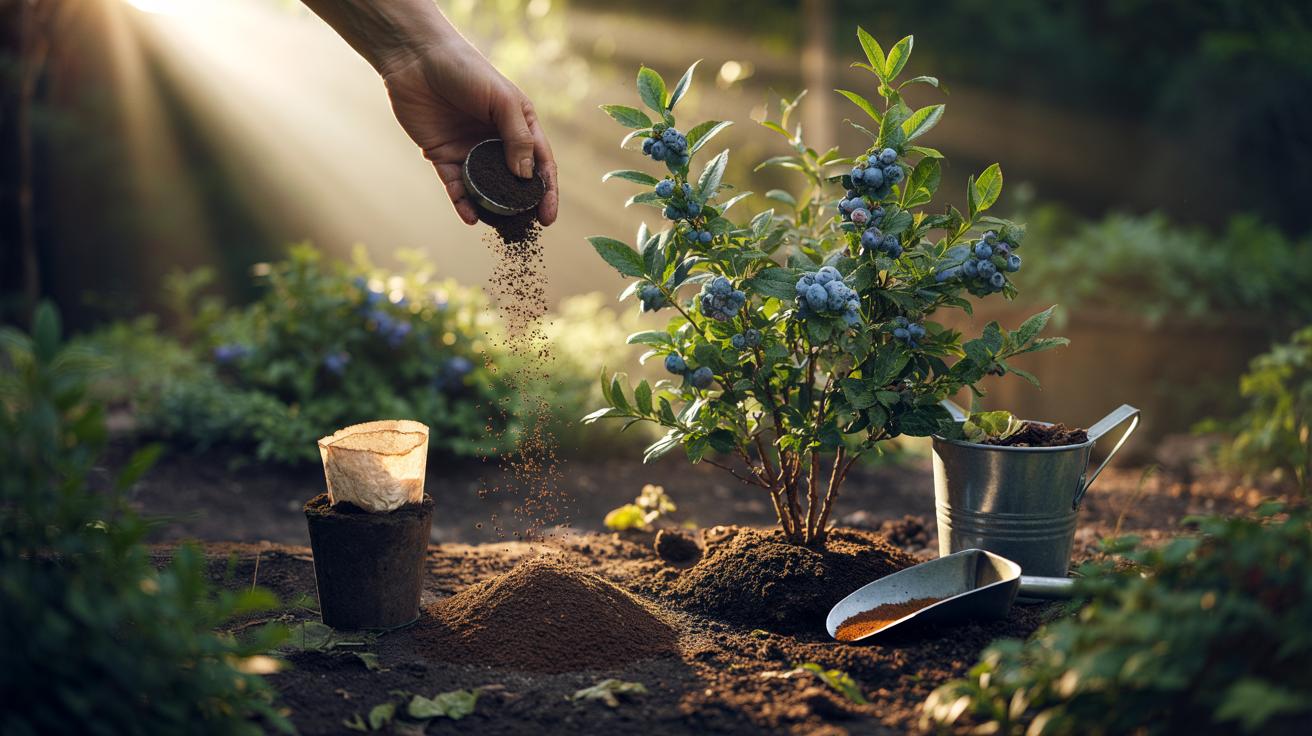
For beds already teeming with perennials, fork in a light sprinkle—roughly 2–5 litres per square metre per season—mixed with compost. Containers? A tablespoon or two scratched into the top once a month is ample. In wormeries, stay at or below 10% of weekly feed to avoid acidity spikes. Keep grounds away from germination trays; seedlings are sensitive to both nitrogen immobilisation and undecomposed compounds. Blueberries, azaleas, and camellias respond well to the slow, steady support of coffee-enriched compost around their dripline.
Practical housekeeping matters. Dry grounds on a tray if you’ll store them; damp clumps can go mouldy. Paper filters can be composted. Rinse out syrupy or dairy-laden café waste before use. And for pet owners, note: keep large quantities away from dogs, as caffeine remains risky in concentrated doses.
Which Plants Benefit Most—and When To Hold Back
Some plants thrive with a nudge towards acidity and extra organic matter. Others prefer neutral to alkaline conditions. Use coffee grounds where they reinforce a plant’s natural preference, not against it. Match the material to the crop and the soil you have. Hydrangea colour is famously pH-responsive; grounds won’t flip the palette overnight, but alongside sulphur and low-lime composts, they can help sustain bluer tones.
| Plant | Preferred pH | Coffee Grounds Use |
|---|---|---|
| Blueberry, Azalea, Camellia | 4.5–5.5 (acid) | Excellent as composted mulch; maintain acidity gently. |
| Hydrangea (blue tones) | 5.0–5.5 | Supportive with sulphur; won’t act alone. |
| Tomato, Strawberry | 6.0–6.8 | Light, composted additions improve structure and moisture. |
| Brassicas, Lavender | 6.5–7.5 | Go easy; focus on well-balanced compost rather than acidity. |
On alkaline, lime-rich soils, don’t bank on coffee as a cure. Test, then correct with targeted amendments if needed. Slugs and cats? Reports of deterrence are mixed at best. Prioritise barriers and habitat tweaks. The real win with coffee is cumulative: improved tilth, microbial vitality, and a softly held acidity that keeps ericaceous roots content without shocking the system. Do not rely on coffee grounds alone to correct strongly alkaline soils; use them as part of a broad, soil-first strategy.
In the end, leftover grounds shine as a subtle tool: a steady feed for the soil food web, a helper in holding moisture, a quiet ally for acid-loving shrubs. Used thoughtfully—composted, blended, and applied in thin layers—they perform far beyond their humble origin. They’re circular, local, and free. That’s powerful. The art is in proportion, timing, and matching plant to pH. What’s your next move: a café bucket by the back gate, or a measured trial bed to see how your soil responds this season?
Did you like it?4.4/5 (25)