In a nutshell
- 🌱 Eggshells are a rich source of calcium (95% calcium carbonate) that strengthens cell walls, reduces blossom end rot, and supports bigger, better‑flavoured tomatoes.
- ⚗️ Prep matters: rinse, bake, and grind into fine powder for steady release; use a vinegar soak to create a fast, root‑safe calcium drench (soil only, not foliage).
- 🛠️ Apply smartly: mix into planting holes or top‑dress monthly; in containers use small doses; always pair with a balanced fertiliser and consistent watering for best results.
- 🌿 Soil benefits: shells gently buffer pH (towards 6.2–6.8) and support microbial activity, improving uptake of potassium and magnesium that drive flavour, colour, and size.
- 🚫 Avoid pitfalls: don’t use coarse chunks or treat shells as NPK; watch alkalinity in pots, keep drenches off leaves, and prioritise consistency over heavy one‑off doses.
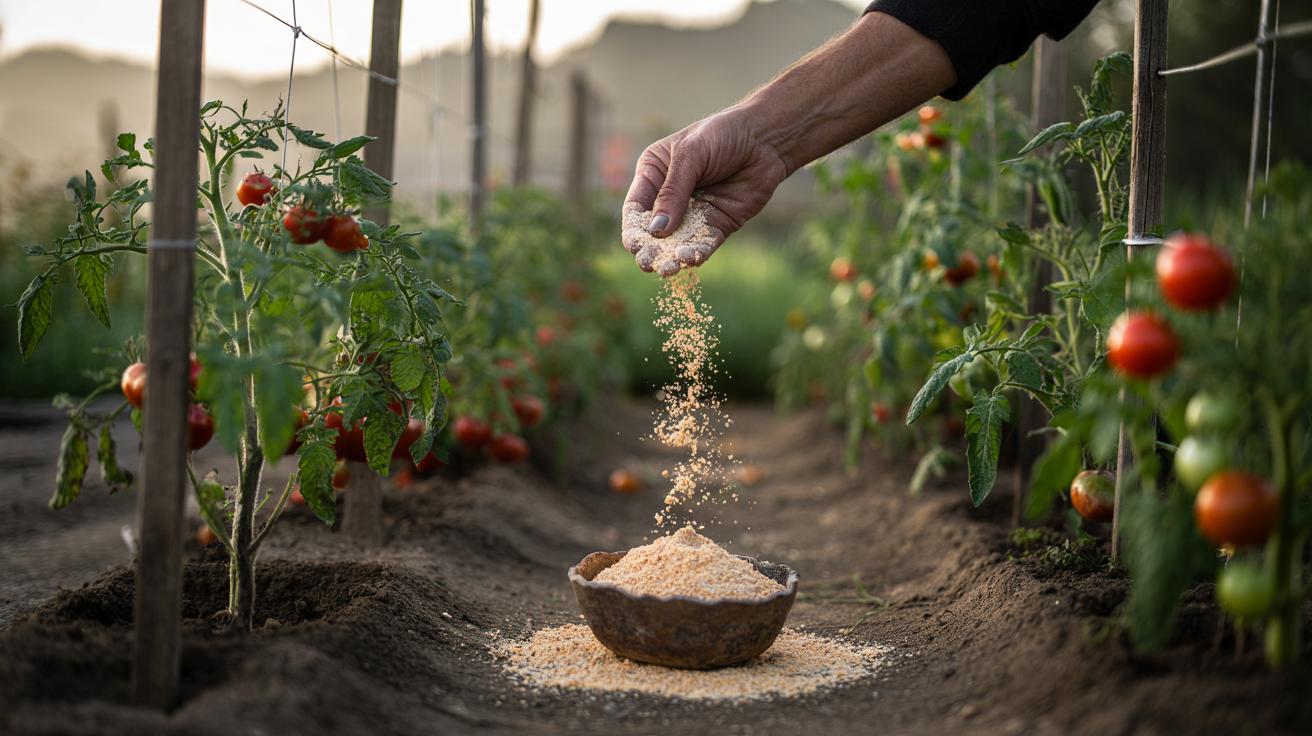
Tomato growers love a clever shortcut, and few are as thrifty or effective as turning kitchen eggshells into a soil tonic. Crushed shells pack abundant calcium with trace minerals that strengthen cell walls, steady water movement, and help fruits set cleanly and swell. Done right, they are fast, clean, and free. Done poorly, they’re just gritty confetti. The trick is preparation. Reduce particle size, pre-treat for solubility, and apply where roots can use them. That’s how you move from folk wisdom to clear, measurable gains in flavour and size. Below, a practical guide for immediate results and sustainable, season‑long benefits.
How Eggshells Feed Tomatoes Fast
Eggshells are roughly 95% calcium carbonate, with small amounts of magnesium, phosphorus, and beneficial trace elements. Calcium underpins strong cell walls and efficient nutrient transport. Calcium is the headline nutrient for tomatoes because it prevents the classic scourge: blossom end rot. But not all calcium sources act equally quickly. Coarse shells break down slowly. Finely powdered shells, or shells that have been reacted with a mild acid, release calcium far sooner, supporting fruit development during critical spurts.
Think of two pathways: slow-release and quick-release. The slow-release route (powder blended into the planting hole or top-dressed) builds a season-long reservoir. The quick-release route uses a short vinegar soak to convert carbonate to a more available calcium salt, ideal when trusses are forming and you need speed. Roots appreciate consistency. So pairing a small fast dose with a steady background supply delivers reliable growth, firmer skins, and fewer physiological hiccups.
There’s a secondary win. Finely milled shells offer micro-surfaces for soil microbes, subtly improving structure and buffering acidity. This gentle pH nudge keeps tomatoes in their comfort zone, helping them take up potassium and magnesium that drive flavour, colour, and size. In short, prepared properly, shells become both nutrient and microhabitat.
From Kitchen Scrap to Garden Booster: Methods That Work
Start clean. Rinse shells, air-dry, then bake at 120–150°C for 10–15 minutes to sterilise and make them brittle. Grind to a fine powder with a coffee grinder or mortar. Finer particles mean faster availability and more uniform results. For a speed boost, make a safe calcium solution: add 1 tablespoon of powdered shells to 1 tablespoon of household vinegar; let it fizz, then dilute in 1 litre of water and apply to the soil around each plant. Not on leaves. This creates a quickly available calcium source without harshness.
At planting, mix 1–2 tablespoons of powder into the hole with compost. For established plants, top-dress 1–2 tablespoons per plant monthly and water in. In containers, go lighter: 1 teaspoon at a time, watching pH. Combine with well-rotted compost to improve moisture retention and microbial activity. Do not rely on shells alone for NPK; pair with a balanced organic fertiliser or rich compost so growth doesn’t stall.
| Method | Preparation | Speed | How to Use | Notes |
|---|---|---|---|---|
| Fine Powder | Bake, grind very fine | Moderate | Planting hole or top-dress | Season-long release |
| Vinegar Soak | 1 tbsp powder + 1 tbsp vinegar | Fast | Dilute in 1 L water; soil drench | Do not spray foliage |
| Eggshell “Tea” | Steep crushed shells 24–48 h | Slow | Water soil weekly | Milder, less reliable |
| Compost Blend | Mix shells into compost | Slow | Mulch around plants | Improves structure, buffers pH |
Flavor, Size, and Plant Health: The Payoff
Better flavour comes from balance. Calcium doesn’t add sweetness, but it stabilises cell membranes, keeping potassium and sugars flowing where they’re needed. Fruits fed consistently tend to be denser, juicier, and less mealy. Stronger skins reduce micro-cracking, so less water is lost and aroma compounds stay where they belong. Expect firmer slices, brighter colour, and fruit that holds longer on the counter without going woolly.
Size gains arrive via fewer aborted fruits and steadier growth under stress. By reducing blossom end rot and transient wilting, plants can put energy into swelling trusses instead of triaging damaged tissue. When combined with adequate potassium and steady watering, you’ll see fuller clusters and more uniform ripening. The improvement is noticeable on thirsty cordon varieties and heavy-cropping cherry types alike.
There’s a resilience dividend too. Eggshells gently buffer soil towards a tomato-friendly pH (roughly 6.2–6.8), supporting microbial activity that unlocks phosphorus and micronutrients. Healthier roots mean quicker recovery after hot spells and a tighter grip on flavour despite erratic British weather. Think less waste, more saleable fruit, and a steadier picking rhythm through the peak weeks of summer.
Common Mistakes and Smart Safeguards
Two errors waste effort: using shells too coarse, and expecting them to replace a balanced fertiliser. Chunks can sit unchanged all season. Powder behaves differently. Grind until silky, like flour. When you need quick results, use the vinegar method sparingly and sensibly. Apply to moist soil, never dry, to avoid root scorch. Keep it off leaves. Repeat small doses rather than a single heavy slug.
Watch pH, particularly in containers. If your mix already trends alkaline, add compost rather than more shells. A rule of thumb: 1 teaspoon of powder per 10 litres of pot volume per month is ample. In open ground with acidic soil, a tablespoon per plant monthly is safe. Always pair with compost or a complete organic feed to supply nitrogen and potassium that drive growth and sweetness. Mulch to keep moisture steady; calcium can’t travel well in drought-stressed plants.
Housekeeping matters. Rinse and bake shells to deter pests. Rotate applications with seaweed or compost teas for trace elements. If blossom end rot appears mid-season, address watering first, then add a fast calcium drench at the root zone. Consistency beats heroics: small, regular inputs deliver the tastiest, largest tomatoes.
Eggshells turn breakfast leftovers into a targeted tomato upgrade: clean calcium, subtle pH buffering, and friendlier conditions for roots and microbes. Use a fine grind for steady feeding, keep a small batch of vinegar-reacted solution for crunch times, and support the whole system with compost and even watering. You’ll see tighter skins, fuller trusses, and flavour that carries on the nose. It’s low cost, low waste, and surprisingly quick when prepared properly. How will you fold this simple routine into your tomato schedule this season, and which method will you trial first in your beds or containers?
Did you like it?4.6/5 (27)