In a nutshell
- 🧄 Garlic’s antifungal chemistry: allicin, ajoene and diallyl disulphide disrupt fungal membranes and enzymes, offering multi-site action that reduces resistance risk.
- 🌿 Application and timing: convert cloves to a 1–3% extract with an emulsifier, spray every 7–10 days, and apply preventatively; volatility means reapplication, and spot-test to avoid phytotoxicity—avoid same-day mixes with sulphur or copper.
- 📊 Evidence and limits: trials show strong suppression of powdery mildew and mixed results on Botrytis; effectiveness dips after rain and is weaker against tissue-dwelling downy mildews—best as a pre-infection tool.
- 🔁 Integrated approach: pair garlic with airflow, pruning, sanitation, resistant varieties and rotations; use soil drenches for damping-off and keep records to refine intervals and concentrations.
- ⚠️ Safety and environment: wear gloves and eye protection, avoid spraying open blooms, manage odour, observe a short pre-harvest interval, and note low runoff risk with minimal impact on beneficials once dry.
Gardeners have long sworn by garlic’s punchy aroma as a pest deterrent, but its most underrated trick is its quiet war on microscopic foes. Inside each crushed clove, bioactive sulphur compounds bloom into a hostile environment for fungi that blight tomatoes, roses, cucurbits, and orchard crops. When deployed thoughtfully, garlic-based treatments reduce infection pressure, slow disease spread, and help plants hold their ground without the baggage of synthetic residues. Used as part of a broader strategy rather than a standalone cure, garlic can tilt the balance in favour of plant health. The science behind that promise is as compelling as the folklore: chemistry meets horticulture in a pungent alliance against moulds and mildews.
How Garlic Disarms Plant Pathogens
Crush a clove and you trigger an elegant biochemical trap. The enzyme alliinase converts alliin into allicin, a reactive compound that disrupts fungal cell membranes and interferes with essential enzymes. Fungi rely on precise membrane integrity and oxidative balance; allicin attacks both. That multitarget mode of action makes resistance less likely to develop than with single-site fungicides. Beyond allicin, derivatives such as ajoene and diallyl disulphide contribute to the antifungal cocktail, heightening the pressure on spores attempting to germinate on leaves or in soil.
Garlic does not sterilise a leaf surface; it shifts the microbial playing field. Spores of powdery mildew, Botrytis grey mould, and some downy mildew organisms find it harder to stick, swell, and penetrate. The result is a measurable reduction in lesion number and size, especially in early disease windows. Timing matters: apply before or at the first hint of infection for best suppression. Garlic’s volatility is a bonus. Vapours transiently bathe plant tissues, offering short-lived protection without lingering residues that might disrupt beneficial microflora. Think of it as a shield that needs renewing, not a permanent armour.
From Kitchen Staple to Field Spray
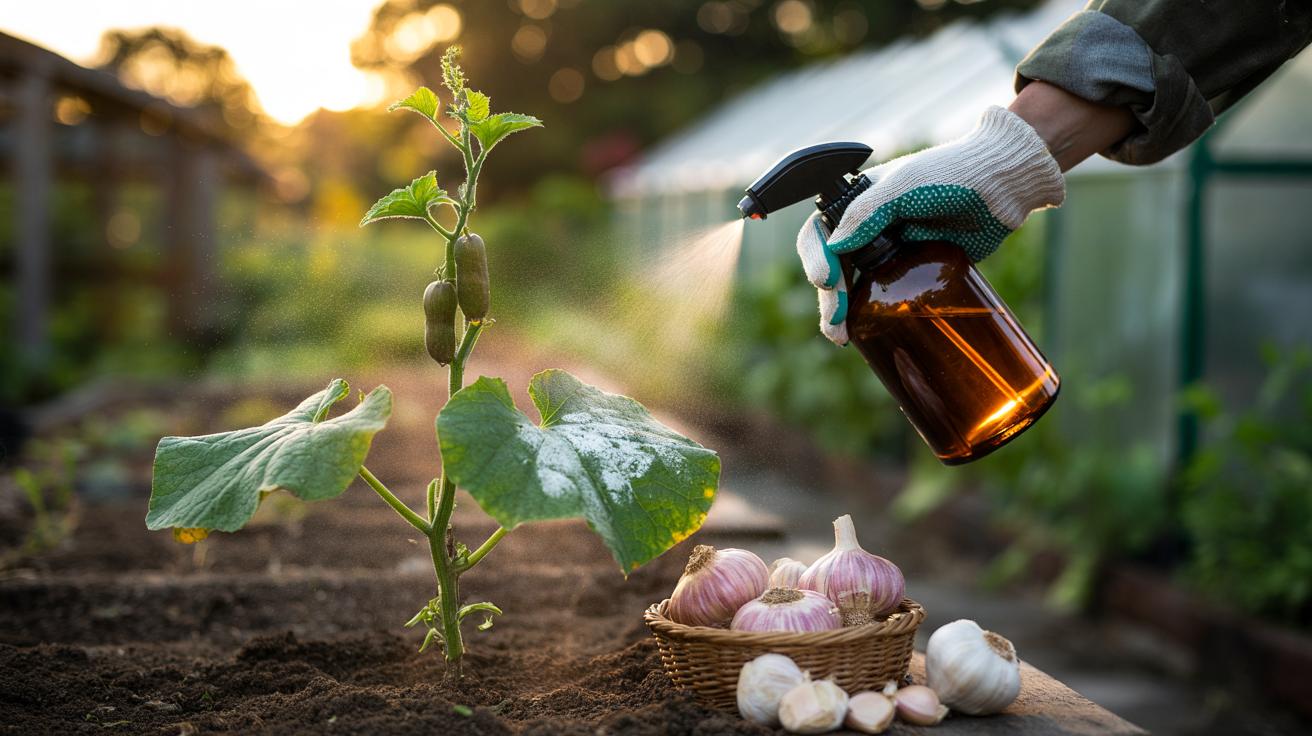
Turning bulbs into a practical treatment is surprisingly straightforward. Many growers prepare a cold macerate: crushed cloves steeped in water, then strained and blended with a mild emulsifier (such as a small amount of biodegradable soap) to help wet waxy leaves. Typical working solutions range from 1–3% garlic extract by volume. Always spot-test a few leaves first—garlic can be phytotoxic in heat or direct midday sun. Foliar sprays target powdery mildews on cucurbits, roses, and courgettes; soil drenches aim at damping-off pathogens around seedlings.
Frequency beats force. A light application every 7–10 days through high-risk periods maintains effect without overwhelming plants or noses. Pair it with cultural tactics: wider spacing for airflow, morning watering, and vigilant pruning of infected tissue. Integrated pest management thrives on such combinations. For container growers or urban gardeners, a small hand sprayer delivers coverage without waste; allotment-scale users may opt for backpack sprayers with fine cones to reduce runoff. Do not mix garlic with sulphur or copper on the same day unless you’ve trialled compatibility. Clean filters and nozzles promptly—garlic particulates can clog.
Evidence and Limits: What Trials Reveal
Independent and university trials paint a nuanced picture. Garlic extracts consistently cut spore germination rates and slow lesion expansion in powdery mildew on cucurbits and ornamentals. Results against Botrytis in strawberries and tomatoes are mixed: pre-infection sprays reduce grey mould, while curative efficacy after visible outbreak is modest. Garlic is strongest as a preventative, not a rescue treatment. Warm, dry conditions favour performance because leaf surfaces remain coated longer; heavy rain rinses protection away.
Laboratory assays confirm the antifungal reach of allicin and ajoene across several genera, yet field variability remains. Concentration, adjuvants, and spray interval matter. So does the pathogen’s lifecycle. Downy mildews with hidden phases inside tissues pose a tougher challenge than surface dwellers. To frame expectations, here is a quick reference:
| Compound | Primary Action | Typical Targets | Notes |
|---|---|---|---|
| Allicin | Membrane disruption; enzyme inhibition | Powdery mildew, Botrytis | Best as preventative; short persistence |
| Ajoene | Interferes with signalling and growth | Soil-borne fungi, some foliar pathogens | Synergises with allicin; slower release |
| Diallyl disulphide | Oxidative stress induction | General opportunists | Contributes to broad-spectrum effect |
No single garlic product covers all threats. Pair it with resistant varieties, crop rotation, and strict sanitation to sustain control and ease pressure on synthetic chemistries that remain necessary in commercial settings.
Practical Safety and Environmental Considerations
For UK growers, garlic-based inputs sit comfortably within low-impact strategies, but common sense still applies. Wear eye protection and gloves; concentrated extracts sting. Avoid spraying open blooms when pollinators are foraging. Though garlic is generally benign, strong odour can linger—warn neighbours and ventilate greenhouses. On edibles, observe a short pre-harvest interval to let aromas dissipate; rinse salad leaves if treated late. Because these extracts break down quickly, runoff risks to waterways are low compared with persistent fungicides, yet it’s wise to prevent overspray and mixing near drains.
Non-target effects appear minimal at typical garden rates, with beneficial predators unaffected once sprays dry. Still, rotate with other bio-based tools—potassium bicarbonate, biofungicides, and canopy management—to reduce selection pressure. Keep records: date, dilution, weather, and disease notes. Patterns emerge, guiding sharper decisions next season. Garlic is a tool, not a doctrine; flexibility beats dogma in plant health. For allotment societies and community gardens, published protocols and shared observations lift outcomes fast without raising costs.
Garlic’s antifungal properties are not horticultural sorcery; they’re chemistry put to work in the beds and borders we tend every week. By striking early, mixing tactics, and respecting the limits of plant-safe concentrations, gardeners can suppress infections while keeping ecosystems intact. The reward is quieter disease curves, fewer spoiled fruits, and cleaner air in the greenhouse. In a climate of rising resistance and tighter regulation, small biological advantages add up. Where might you weave a carefully timed garlic spray into your routine to tip the disease balance on your plot next season?
Did you like it?4.4/5 (30)