In a nutshell
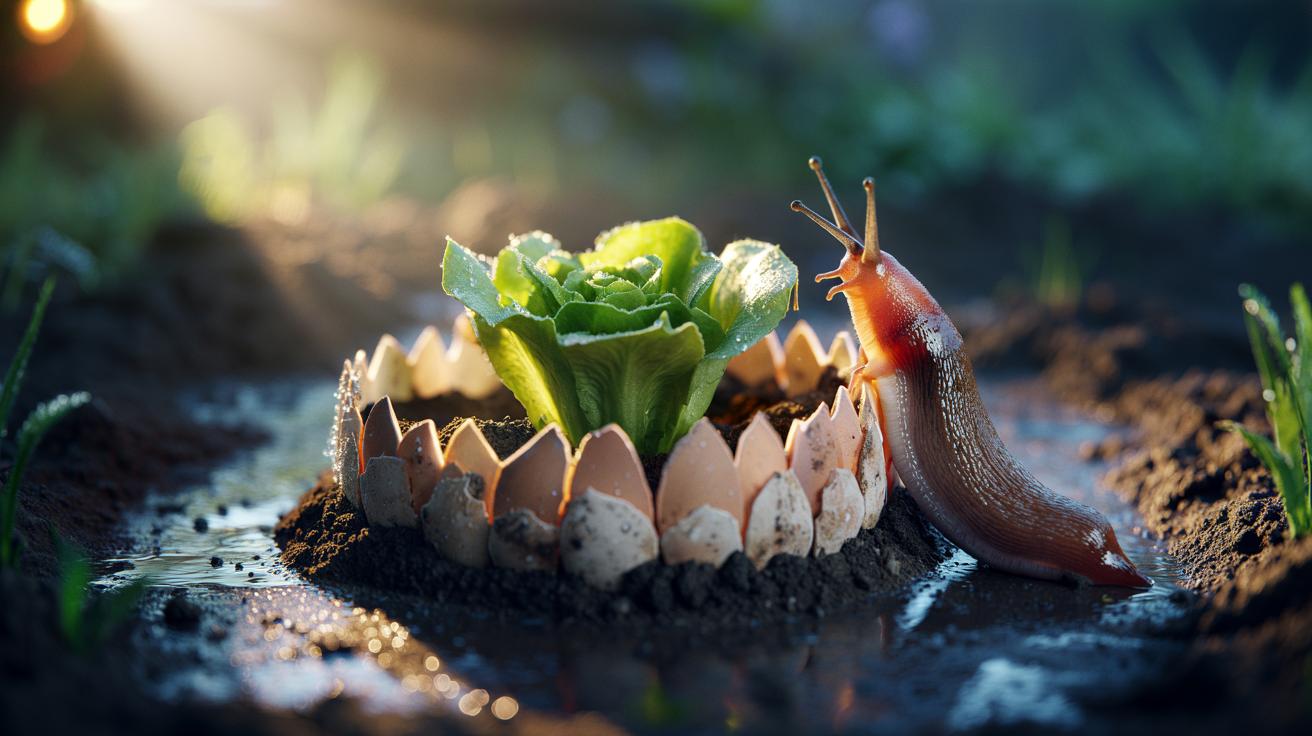
- 🐌 Crushed eggshells act as a physical, non-toxic barrier that deters slugs by increasing friction and sapping moisture from their slime; it repels rather than poisons.
- 🥚 For best results, rinse, dry, and crush shells into coarse, sharp flakes; build a continuous ring around plants, roughly 3–5 cm wide and 1–2 cm deep, and refresh after rain.
- 🧪 Results vary: effectiveness drops in wet conditions or with gaps, and determined slugs may cross; eggshells reduce risk but are not a standalone cure for heavy infestations.
- 🛠️ Pair eggshells with complementary tactics—night hand-picking, encouraging predators, copper collars, and sparing use of ferric phosphate pellets; place beer traps at plot edges.
- 🌿 Beyond deterrence, eggshells recycle kitchen waste, add slow-release calcium carbonate to soil, and can be composted when compacted for continued soil health.
Britain’s gardens host a nightly drama: tender lettuce seedlings facing down marauding slugs. Resourceful growers have long scattered crushed eggshells around vulnerable plants, claiming the shards form a natural, low-cost barricade. The idea is simple and thrifty, turning kitchen waste into defense. Yet not all folk wisdom survives scrutiny, especially in a damp climate where slugs thrive. This piece explores how the barrier works, when it fails, and how to get the most from it without harming soil life or pets. Used wisely, shells can be a helpful—but not miraculous—part of a broader slug strategy. Here’s what to know before you reach for the egg box.
How Crushed Eggshells Deter Slugs
The core claim is mechanical. Slugs have soft, moisture-dependent bodies that glide on mucus; sharp, irregular shell fragments create a hostile texture that’s uncomfortable to cross. Think of it as a gritty, jagged carpet. The edges don’t need to cut like glass. They simply disrupt the slug’s movement, increase friction, and sap moisture from the slime layer. The barrier repels; it does not poison. That distinction matters for wildlife and for edible beds.
There’s chemistry too, though subtler. Eggshells are mostly calcium carbonate, which can make the micro-surface slightly drier and more alkaline. On warm, breezy nights this dryness amplifies the deterrent effect; on soaking nights it diminishes. Big, determined slugs may still push across if the ring is thin, patchy, or waterlogged. That’s why gardeners report mixed outcomes.
Scale is critical. A single, continuous band works far better than a few scattered flakes. Depth and width count as much as sharpness. If slugs see gaps, they’ll use them. In practice, eggshells are best seen as a physical barrier that buys seedlings time—especially in spring—rather than a standalone cure for heavy infestations.
Preparing and Applying Eggshell Barriers
Start clean. Rinse shells, then dry them thoroughly—an hour in a low oven or a week on a sunny windowsill. Dry shells crush into a coarse, gritty mulch that keeps its edge. Avoid blitzing to powder; dust compacts and loses bite. Aim for sharp flakes, pea to lentil size. Build a continuous ring around each plant, roughly 3–5 cm wide and 1–2 cm deep. Refresh after downpours, and top up weekly in peak slug season. Consistency beats heroics: a neat, maintained ring deters far more than a one-off scatter.
Spacing matters in beds and borders. Protect what slugs love first—hostas, strawberries, lettuce, new brassicas. Use shells where you can concentrate protection. Pair with other barriers (e.g., copper collars or wool pellets) for high-value specimens. Dispose of old rings into the compost to recycle calcium, then rebuild fresh. The method is simple, fast, and uses materials you already have.
| Task | Detail | Rule of Thumb |
|---|---|---|
| Drying | Oven at low heat or air-dry | Shells must be brittle, not leathery |
| Crushing | Coarse, sharp flakes | Avoid fine powder; aim for grit |
| Ring size | Encircle each plant | 3–5 cm wide, 1–2 cm deep |
| Maintenance | Top up after rain | Check weekly in peak season |
Evidence, Limits, and Complementary Tactics
Gardeners’ experiences vary for a reason: conditions change outcomes. Dry nights, gritty rings, and sparse slug populations favour success. Persistently wet soils, gaps in the barrier, and large slug numbers tilt the other way. In controlled tests, slugs often cross when shells are damp or compacted. Eggshells reduce risk; they don’t eliminate it. Treat them as one tool in a kit rather than a silver bullet.
To protect seedlings during peak pressure, combine approaches. Nightly hand-picking with a torch works astonishingly well in small plots. Encourage predators—frogs, ground beetles, hedgehogs—by offering water, leaf litter, and undisturbed corners. Where legal and appropriate, ferric phosphate pellets can be used sparingly; they’re considered wildlife-friendlier than older metaldehyde products. Beer traps can concentrate slugs but may draw more from surrounding areas, so place them at plot edges if you use them.
Barriers excel around targets: copper collars for pots, wool pellets for ring mulches, and eggshells for quick, frugal protection. Rotate tactics through the season to avoid reliance on one method. The winning formula is layered, local, and timely, not maximal.
Environmental and Soil Benefits of Eggshell Mulch
There’s a bonus beyond slug deterrence. Eggshells slowly return calcium to the soil as they break down, feeding compost microbes and improving structure over time. The shift in pH is usually small and local, so you won’t overhaul acidic beds—but you may nudge conditions toward neutrality around the ring. Don’t expect a cure for tomato blossom-end rot overnight; calcium availability depends on watering and root health as much as supply.
Using shells also cuts waste. It’s classic circular gardening: turn breakfast leftovers into useful mulch. Rinse to reduce smells that could interest foxes or rodents, and dry to prevent mould. If pets roam, avoid large, razor-like shards near pathways; crushed grit is less likely to irritate paws. Clean, dry, and coarse: three words that make shells work better and keep the garden tidy.
As rings age, they compact. Sweep them into the compost and renew, keeping the deterrent fresh during wet spells. Consider aesthetics too; white flecks around plant crowns can be bright in formal beds. Mix with leaf mould to mute the look while preserving texture. With modest effort, eggshell mulch supports both soil life and a more resilient planting scheme.
Crushed eggshells won’t end the slug saga, but they can tip it in your favour—especially around high-value seedlings and in drier windows. They’re cheap, wildlife-safe, and recyclable, provided you build robust rings and refresh them after rain. Think of shells as part barrier, part soil amendment, and part habit that keeps you checking plants often. In your patch, which combination—eggshells, hand-picking, collars, or predators—has delivered the most consistent protection, and how might you refine that mix for the season ahead?
Did you like it?4.5/5 (25)