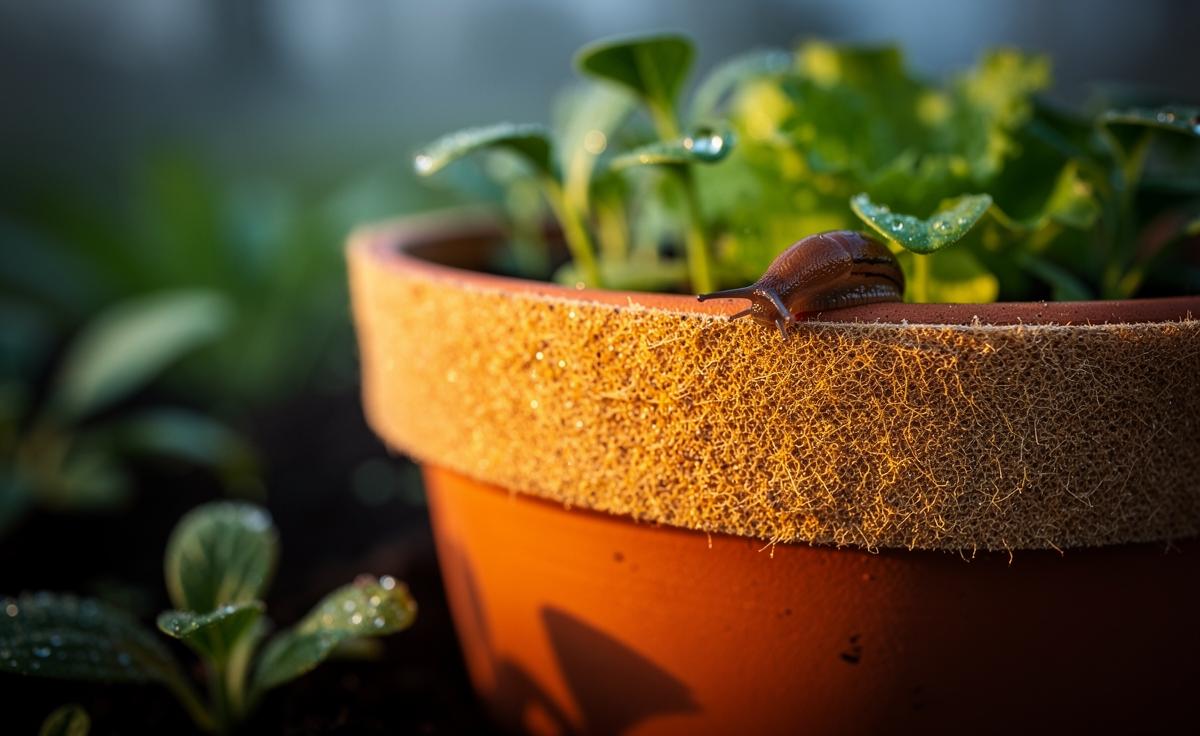
In a nutshell
- 🐌 Rough surfaces deter slugs by scraping and wicking mucus, spiking friction and dehydration, so pests avoid crossing—effective without chemicals.
- 🧱 Choose durable grit: wet–dry silicon carbide or aluminium oxide; use 40–80 grit for strong deterrence, 100–150 near stems; replace when the surface turns slick or green.
- 🪴 Smart installation: wrap pots and raised beds with continuous sandpaper bands, elevate off soil, prevent foliage bridges, and combine with copper tape for stacked protection.
- 🦔 Pros and limits: non-toxic, wildlife-safe, inexpensive, and visible; performance drops in wet, clogged conditions—treat it as a first line of defence within integrated pest management.
- 🌅 Maintenance and habits: brush off biofilm, re-tape edges, water in the morning so barriers dry—dry grit bites harder—and remove nearby slug shelters.
Slugs are brazen nightshift grazers, and the tender crowns of lettuces are their favourite buffet. Gardeners often reach for pellets or traps, yet a quieter tactic exists: a simple strip of sandpaper. Its rough surface creates an uncomfortable, drying, and mechanically risky pathway that many slugs refuse to cross. The trick sounds rustic. It is. But it’s also grounded in biology and friction. By forcing a soft-bodied animal onto an abrasive edge, you load the journey with cost. That cost—lost moisture, torn mucus film, micro-abrasion—translates into deterrence. Below, we unpack the science, the practical choices of grit, and how to install durable barriers that protect beds without poisoning the food web.
How Sandpaper Stops Slugs: The Science of Roughness
Slugs move on a broad muscular foot, gliding on a thin layer of mucus. This gel reduces friction on leaves and soil, but it’s vulnerable. When a slug encounters rough surfaces—emery cloth, silicon carbide sheets, or even coarse carpentry paper—the grit scrapes and wicks that moisture. Friction spikes. The animal slows, tests the edge, and often detours. To a slug, a sharp, gritty boundary feels like hot gravel in bare feet. The result is behavioral avoidance: the pest spends foraging time elsewhere, saving your seedlings.
There’s also a hydration penalty. Abrasive particles create micro-tears in the mucus film, forcing the slug to secrete more gel to keep moving. That extra secretion is water lost—expensive for an animal already at risk of desiccation on breezy nights. And the risk doesn’t end there. Tiny scratches on the foot can become entry points for pathogens. Sandpaper barriers exploit these costs without chemicals, nudging slugs toward easier routes. You’re not killing; you’re shaping movement patterns in your garden’s micro-landscape.
Think of sandpaper as a passive fence that weaponises texture. It won’t stop a starving slug, nor will it fix an infestation alone, but it sharply reduces casual nibbling—the kind that shreds new leaves before dawn.
Choosing the Right Grit and Material
Not all abrasive sheets are equal in the rain, or against a determined mollusc. For garden use, pick wet–dry silicon carbide or aluminium oxide papers; they resist moisture and hold grit longer. Choose coarser grades—typically 40–80 grit—for primary barriers around pots and raised beds. Medium grades (100–150) offer a compromise where delicate stems might brush the edge. Fine papers look tidy but clog with biofilm quickly. Grit size is your main lever: coarse bites, fine polishes. Prefer darker, resin-bonded sheets and avoid unbacked craft abrasives that turn to pulp in the first shower.
| Grit Range | Effect on Slugs | Durability Outdoors | Typical Use |
|---|---|---|---|
| 40–60 | High discomfort; strong deterrent | Good with wet–dry backing | Bed perimeters, pot collars |
| 80–120 | Moderate deterrent | Good; less aggressive | Near stems, mixed borders |
| 150–220 | Low deterrent; clogs faster | Fair to poor | Short-term, indoor seedlings |
Look for adhesive-backed sheets or support them with outdoor double-sided tape on plastic edging. Emery cloth, sold for metalwork, is especially tough. Replace when the surface goes slick or green—biofilm defeats friction. Longevity improves dramatically if you lift barriers off soil splash, so mount strips on timber lips or pot rims where they dry quickly after rain.
Where and How to Install Sandpaper Barriers
Start at obvious choke points. Wrap pots with 2–3 cm bands of sandpaper, grit facing out. Line the top edges of raised beds, mitering corners for a neat, continuous run. Keep foliage from draping over the barrier, or slugs will bridge it like a rope. Continuity is critical: one gap invites a midnight bypass. Around individual plants, cut doughnut collars and lay them on a thin plastic disc so the abrasive stays clean and dry.
Soil contact shortens life. Elevate strips on recycled coroplast, bamboo canes, or salvaged vinyl blinds, then pin them with garden staples. On pathways, fix sandpaper to narrow boards and create temporary “drawbridges” from lawn to beds; you’ll funnel movement and tame slug traffic. Pair barriers with copper tape on high-value crops to stack effects: texture plus a mild electrochemical tingle when mucus bridges copper’s potential difference. That combo deters opportunists without resorting to pellets.
Maintenance is simple. Brush off algae, re-tape lifting edges, and swap sheets after heavy storms. If you irrigate at dusk, stop; water in the morning so surfaces dry by evening. Dry grit bites harder. And remember the landscape: tidy mulch edges, remove slug shelters (upturned trays, dense groundcover) near your barrier so you’re not defending against an army already inside the walls.
Pros, Limits, and Ethical Considerations
The advantages are clear. Non-toxic, inexpensive, and easy to fit, sandpaper protects seedlings during their vulnerable weeks, when a single night’s grazing can erase a month of growth. It’s visible, so you can audit coverage at a glance. It also plays well with wildlife-friendly tactics—beer-free, pet-safe, hedgehog-friendly. You are shifting behaviour, not poisoning the food chain. That matters in small urban plots where beneficial predators share space with children and pets.
Limits exist. In saturated weather the abrasive clogs, and very hungry slugs may still cross. Long leaves can bridge your fence. Strong UV and freeze–thaw cycles age adhesives. Think of sandpaper as a first line of defence rather than a silver bullet. Integrate it with cultural controls: morning watering, spacers under pots, raised planting, and predator habitat. A single thrush can do more good than any gadget.
Ethically, deterrence beats lethality. Copper and rough surfaces ask slugs to choose easier routes. If you must reduce numbers, use wildlife-safe traps and target invasive species. Better yet, plant sacrificial hostas at the boundary; draw pressure outward while sandpaper guards the salad bed. Grow resilience, not a minefield. The result is a calmer garden where damage dips and biodiversity climbs.
As a humble technology, sandpaper earns its keep by turning texture into strategy. You add frictive edges, force tiny decisions, and buy seedlings the quiet nights they need to leap ahead. Combine grit with tidy borders, copper accents, and morning irrigation, and watch the nibble marks fade from new leaves. It’s low-cost, reversible, and oddly satisfying. What barriers, placements, and companion tactics could you trial this week to build a slug-smart garden that thrives through the damp months?
Did you like it?4.6/5 (22)