In a nutshell
- 🌱 Eggshells are ~95% calcium carbonate, delivering a slow-release calcium supply that strengthens cell walls and boosts resilience across most plants when paired with organic matter.
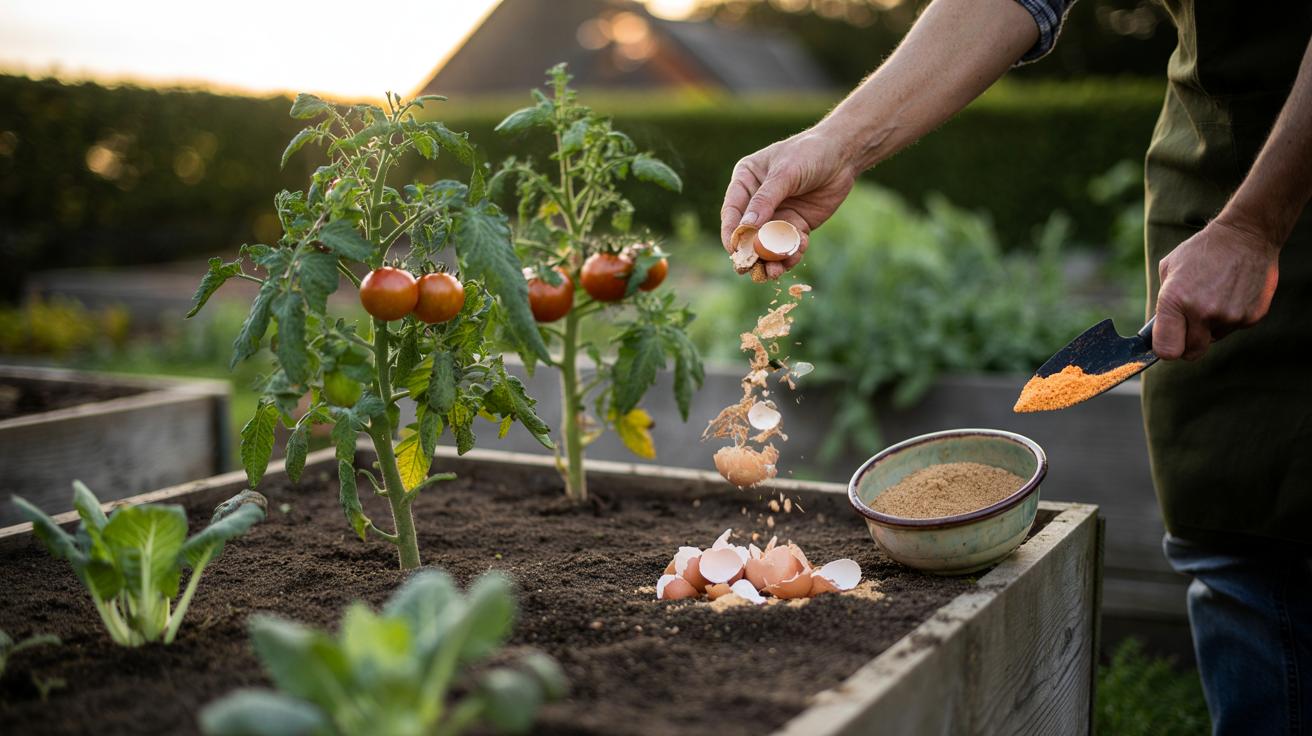
- 🛠️ Preparation & use: rinse, dry, briefly bake, then crush (finer = faster). Apply about 1 mug/m² to beds and a teaspoon or two to pots; mix into the topsoil and reduce rates on alkaline/chalky soils or with hard water.
- 🌸 Who benefits (and who doesn’t): tomatoes, peppers, brassicas, roses, root crops respond well; acid-loving plants (blueberries, rhododendrons, camellias) may suffer from raised pH; slug-deterrent rings are a myth.
- 🧪 Evidence & expectations: shells feed soil biology, buffer acidity, and act over months; run a split-bed trial to track sturdier growth and fewer calcium-related issues when watering is consistent.
- ♻️ Frugal, climate-savvy practice: turns kitchen waste into a complementary amendment, most effective alongside compost and mulches—ideal for UK gardeners seeking low-cost, low-waste soil care.
Every breakfast creates an experiment in waiting. Those delicate, discarded eggshells look like rubbish, yet they are a quiet gift to the soil beneath our feet. Crushed and returned to the ground, they act as a gentle, slow-release source of minerals, particularly calcium carbonate, and a hospitable surface for soil life. For UK gardeners managing tight budgets and tighter plots, that matters. It means fewer inputs, less waste, and resilient plants. Results do not appear overnight; they build season by season. Handled well, eggshells can nurture nearly every corner of a garden bed, from herbs and brassicas to fruiting tomatoes, without the harsh shock of synthetic feeds.
What’s in an Eggshell and Why It Matters
A typical chicken eggshell is about 95% calcium carbonate, with traces of magnesium, phosphorus, and other micronutrients. This composition is crucial for plant health. Calcium strengthens cell walls, supporting steady growth, crisp foliage, and the clean transport of water and nutrients within plant tissues. Because the calcium arrives as carbonate, it dissolves slowly, offering a long-term release rather than a flash of fertility. That steadiness is useful in container gardens and allotments alike, especially where watering is irregular.
There is a second benefit. As shells break down, they offer micro-surfaces that shelter fungi and bacteria, feeding the quiet engine of soil biology. Over months, shells crumble, pH nudges upward in acidic beds, and structure improves. Eggshells will not replace a balanced fertiliser, but they help almost everything grow better when organic matter is present. They are, in essence, scaffolding for a living soil. Expect incremental gains: sturdier stems, fewer physiological disorders linked to calcium scarcity, and more resilient roots after transplanting.
Practical Ways to Use Eggshells in the Garden
Start clean. Rinse shells, air-dry, then bake for 10 minutes at 120–150°C to reduce pathogens and make them brittle. Grind to a coarse sand or powder. The finer the particles, the faster the calcium becomes available. A coffee grinder or rolling pin will do. For beds, scatter a mug of powder per square metre and lightly fork in. For pots, mix a teaspoon or two into the compost when planting tomatoes, peppers, or brassicas. Do not expect an instant fix; eggshells are a marathon, not a sprint.
Here is a quick guide you can pin to the shed door:
| Preparation | Application Rate | Best For | Notes |
|---|---|---|---|
| Fine powder | 1 mug/m² in beds | Tomatoes, peppers, brassicas | Fastest release; mix into top 5 cm of soil |
| Coarse crush | 1 handful per planting hole | Roses, perennials, fruit bushes | Improves structure; slower availability |
| “Shell tea” (soaked in water 24–48h) | Water seedlings weekly | Seedlings prone to legginess | Very mild; complements balanced feeds |
| Compost additive | 1 part shells to 50 parts greens/browns | All compost heaps | Buffers acidity; supports microbial activity |
If your tap water is hard and your soil chalky, reduce rates. Those conditions already supply carbonate and calcium; overdoing it wastes effort and can nudge pH too high.
Which Plants Thrive — and Which Don’t
Most garden stalwarts welcome shells. Tomatoes, peppers, aubergines, and brassicas use calcium to maintain firm cell walls, reducing the risk of disorders like blossom-end rot in tomatoes, which is triggered by inconsistent calcium and watering. Root crops such as carrots and beetroot appreciate a stable, well-structured soil where shells quietly buffer acidity. Sweet peas and roses also benefit from modest additions, particularly in lighter, more acidic soils common in parts of the UK with high rainfall.
There are caveats. Acid-loving plants—blueberries, rhododendrons, camellias, heathers—prefer a low pH and can sulk if you add carbonate. Keep shells well away from ericaceous containers and beds. In chalk and limestone districts, many native soils already sit at a high pH; adding more carbonate yields diminishing returns. Salt-sensitive seedlings can also struggle if you add fresh, unwashed shells. Finally, the old tale that sharp shells deter slugs is shaky. Coarse rings break down quickly and molluscs slide over them after rain. Aim shells at the soil, not as a barricade, and rely on proven slug strategies—traps, hand-picking, barriers that actually work.
Evidence, Myths, and Measured Expectations
Laboratory data confirm that eggshells are predominantly CaCO3 with trace minerals, and that finer particles dissolve more quickly in slightly acidic conditions. Trials by community growers and allotment associations report sturdier growth where shells are added alongside compost and mulches. That phrasing is important: the winners combine shells with organic matter, not in isolation. Eggshells excel as a complement, not a cure-all. They stabilise pH swings, feed microbes, and supply calcium through the season.
Set realistic timelines. Expect minimal change in week one, subtle benefits by mid-season, and clearer gains after repeated applications over winter and spring. To test, run a simple split-bed trial: identical crops, one side with 1 mug/m² of powdered shells worked in, the other without. Keep watering consistent. Measure stem thickness, fruit quality, and any signs of physiological stress. Photograph everything. The goal is not miracle yields but steadier plants under pressure—dry spells, wind, light frosts. When the weather turns fickle, slow-release resilience beats quick fixes. That is where this free, domestic resource earns its place in the potting shed.
Used thoughtfully, eggshells make a frugal, climate-savvy amendment: they recycle household waste, support soil life, and shore up the calcium needs of crops that form the backbone of British gardens. Keep them clean, crush them fine, and pair them with compost for best results. Avoid acid lovers and alkaline soils, and track your outcomes rather than guessing. The experiment costs nothing but a little time and curiosity. So, will you save this week’s shells, set up a side-by-side trial, and see which of your plants respond first?
Did you like it?4.6/5 (24)