In a nutshell
- 🌹 Calcium fortifies cell walls and stabilises membranes, enabling larger, longer-lasting blooms; roses need a steady local supply because calcium is poorly mobile within plants.
- 🧪 Turn eggshells into a fast-acting feed: bake, grind to fine powder for soil top-dress, or react with vinegar to create calcium acetate for quick root drenches; eggshell tea offers a gentle, low-cost option.
- ⚖️ Mind the soil: target pH 6.2–6.8 for best uptake; in alkaline beds use gypsum instead of carbonate; maintain moisture and microbial activity, and avoid excess magnesium (Epsom salts) that competes with calcium.
- 🗓️ Apply smartly: dose in late winter and at bud swell, then maintain monthly; pair with deep watering, mulch, and a balanced fertiliser—eggshell calcium is a structural complement, not a complete feed.
- 🔬 Expect results: stronger petals, sturdier stems, fewer blind shoots; try a two-bed trial to compare shells plus acetate vs. none and watch which roses carry the bigger blooms.
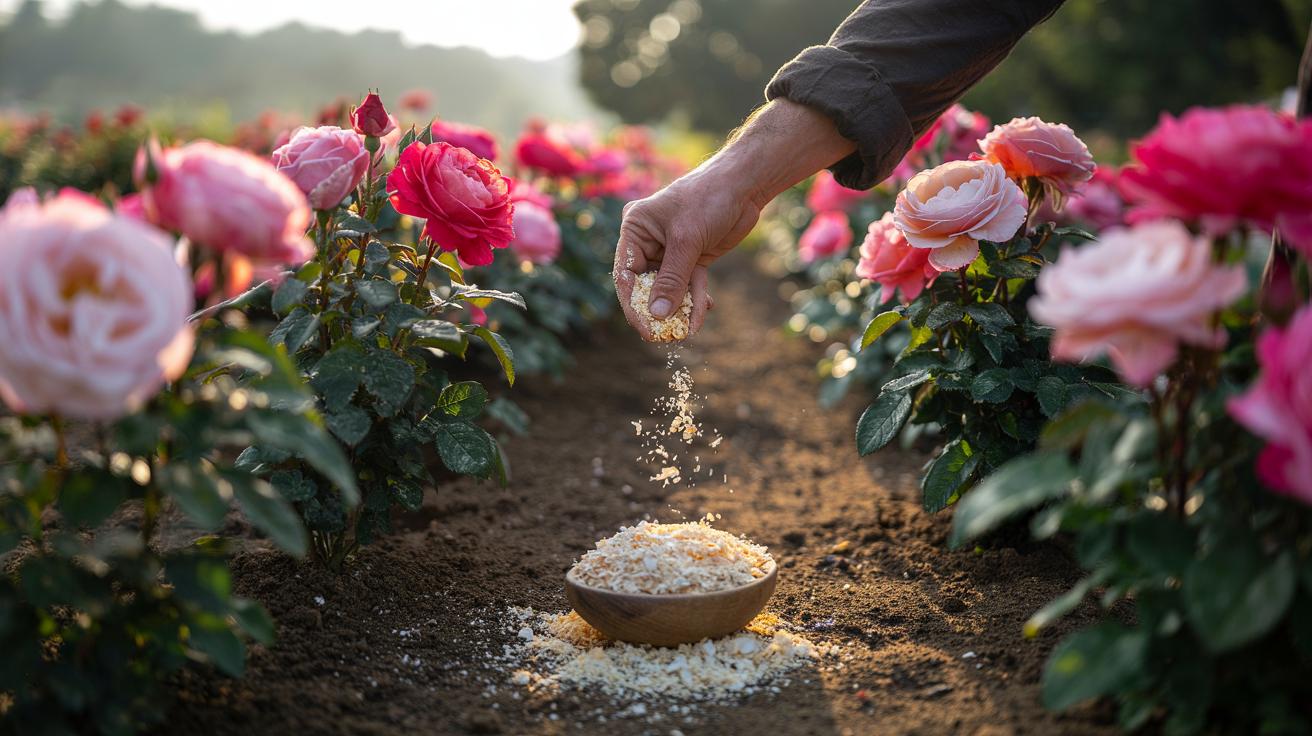
Gardeners whisper about the humble eggshell, yet roses shout the results. Crushed and correctly prepared, the shells deliver a rush of plant-ready calcium that steadies cell growth, hardens petals, and encourages buds to set with confidence. It is thrifty. It is circular. And, when used wisely, it is impressively quick. Calcium does not travel easily inside plants, so roses rely on a consistent local supply at the root zone. That is where eggshells, transformed from kitchen scrap to soil tonic, come into their own. Here’s the science, the method, and the timing that turns a teacup of fragments into bigger, more resilient blooms.
Why Calcium Ignites Rose Growth
Roses build their grandeur from the microscopic up. Calcium binds with pectins in cell walls, creating the firm scaffolding that petals and stems require during rapid expansion. Think of it as masonry for living tissue. When buds form, cells divide at pace; without enough available calcium, division is erratic, petals can crumple, and tips scorch. Insufficient calcium is often hidden, misread as drought or mild nutrient stress, yet it quietly caps bloom size and longevity. Provide a steady trickle and you enable the plant to push larger, more symmetrical flowers that hold their shape after rain and wind.
There’s more. Calcium stabilises membranes, improves nutrient selectivity at the root, and harmonises uptake of potassium and magnesium, the duo behind colour intensity and chlorophyll. It also tempers soil acidity around the rhizosphere, nudging pH toward the rose-friendly 6.2–6.8 sweet spot. In that range, phosphorus unlocks, and bud initiation accelerates. Compare two identical bushes: the one with accessible calcium carries tighter foliage, fewer blind shoots, and less tip dieback. That’s the quiet power of a mineral that rarely steals headlines but often decides the show.
Turning Eggshells Into a Fast-Acting Feed
Raw shells are slow. Speed comes from surface area and solubility. First, rinse shells, air-dry, then bake lightly (100–120°C) to crisp them. Grind to a fine powder; a spice mill or mortar works. Powder is crucial—coarse shards can take years to break down. For fast release, create a mild extract: cover 20 g of powdered shells with 100 ml of household vinegar; the fizz forms calcium acetate. After the reaction subsides, dilute 1:20 with water and drench the root zone at bud swell. Alternatively, steep 8–10 smashed shells in 1 litre of hot water for 24–48 hours, then strain and apply weekly in spring.
Powder scratched into the top 2–3 cm gives steady supply; extracts and teas give a quick lift. Keep the area mulched so moisture moves calcium to active root tips. Avoid leaving food-scented shells on the surface—pests will investigate. Below is a quick guide to method, speed, and risk.
| Method | Speed | Application Rate | Pros | Cons |
|---|---|---|---|---|
| Fine powder, soil-scratched | Medium | 1–2 tbsp per plant monthly | Simple, steady release | Needs consistent moisture |
| Vinegar extract (calcium acetate) | Fast | 200–300 ml diluted per plant | Quick uptake at bud swell | Overuse may edge pH upward |
| Eggshell tea | Moderate | 500 ml weekly in spring | Low cost, gentle | Variable concentration |
| Mulch with crushed shells | Slow | Handful around dripline | Long-term buffer | Very slow availability |
Soil Science: Making Calcium Available to Roses
Eggshells are mostly calcium carbonate. Whether roses can use it depends on pH, microbe activity, and water movement. On slightly acidic loams, carbonate dissolves gradually, feeding root tips where growth hormones surge. On alkaline clays (pH > 7.5), dissolution stalls. Do not blanket alkaline beds with shells expecting miracles—use gypsum (calcium sulphate) instead for calcium without raising pH. A £10 soil test kit pays back in petals. Aim for pH 6.2–6.8. If your reading is higher, choose foliar-safe calcium nitrate in tiny doses for emergencies, then correct the soil over winter with organic matter.
Moisture is the courier. Deep watering, less often, moves ions to the fine roots that matter. Mulch with compost or shredded leaves to support microbes that gnaw at carbonates and release plant-available Ca. Balance is vital: magnesium competes with calcium at the root interface; heavy Epsom salt use can crowd out calcium and shrink blooms. Feed roses with a complete fertiliser, then layer eggshell calcium as the structural complement, not a standalone diet. Apply in late winter and again as first buds form. In-season corrections? Use the acetate drench sparingly, then return to powder for maintenance.
Used thoughtfully, eggshells become more than a thrifty hack—they are a precise tool for building stronger petals, sturdier stems, and richly furnished buds. The chemistry is simple, the practice repeatable, and the results visible within a flowering cycle when paired with moisture and balanced nutrition. Calcium steadies growth so roses can spend energy on bloom size and form. Will you test a two-bed trial—one with powdered shells plus acetate at bud swell, one without—and watch which plants carry the larger, longer-lasting flowers this season?
Did you like it?4.5/5 (24)