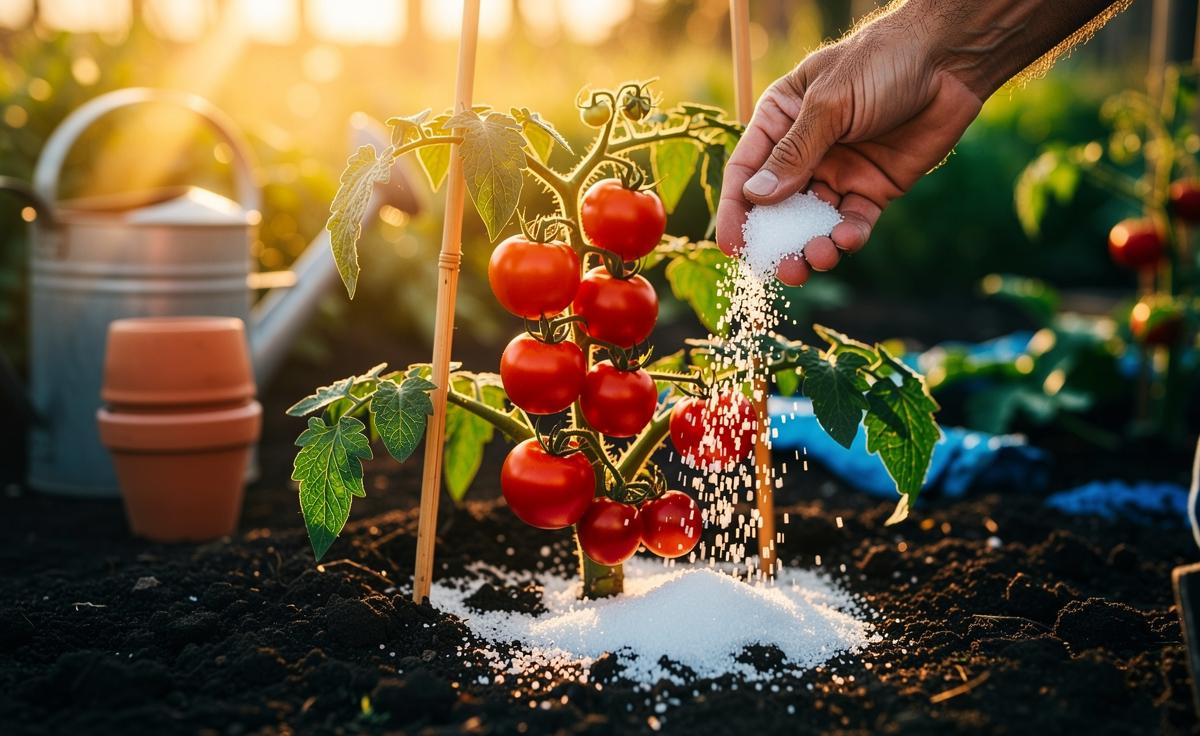
In a nutshell
- 🌿 Use Epsom salt (magnesium sulfate) as a targeted fix to lift chlorophyll, photosynthesis, and yield when magnesium is genuinely limiting—not as a routine tonic.
- 🔎 Spot magnesium deficiency by interveinal chlorosis on older leaves; don’t confuse it with nitrogen or iron issues, and remember blossom-end rot is a calcium problem, not cured by Epsom salt.
- 💧 Apply safely: foliar spray at ~10 g/L every 2 weeks (2–3 times), soil drench at 1 tbsp per 4 L per plant, or side-dress 1–2 tsp; water in, apply in cool periods, and stop once colour normalises.
- ⚖️ Avoid myths and excess: too much magnesium can block calcium and potassium uptake; skip blanket dosing and prioritise nutrient balance and steady irrigation.
- 📊 Follow a soil-first plan: confirm need with affordable soil/leaf tests, build organic matter, consider dolomitic lime on acidic, Mg-poor soils, and feed tomatoes broadly for resilient growth.
Gardeners love a simple fix. Few tips spread faster across UK allotments than adding a pinch of Epsom salt to tomato beds for bigger, tastier trusses. The appeal is obvious: it’s inexpensive, easy to apply, and rooted in plant science. Yet the full story is subtler, and far more useful. When magnesium is limiting, a smart dose can lift leaf colour, sustain photosynthesis, and ultimately boost yield. When it isn’t, you waste money and may stress your soil. Here’s a clear-eyed guide to why magnesium sulfate matters, how to spot genuine need, and the safest, most effective ways to use it.
Why Magnesium Sulfate Matters for Tomatoes
Tomatoes are hungry for magnesium. It sits at the heart of chlorophyll, the pigment driving photosynthesis, and fuels enzymes that channel light energy into sugars, flavour, and fruit. Sulfur, the other half of Epsom salt, anchors amino acids and vitamins. In plain terms: if your soil is short on magnesium, leaves pale, metabolism slows, and yields stall. Add the missing piece and growth rebounds. Leaves darken. Flowering steadies. Fruit sets more reliably. That improvement comes not from magic but from removing a specific nutrient bottleneck. Think of Epsom salt as a precise tool, not a general tonic.
Here’s the catch. Excess magnesium can compete with calcium and potassium at root surfaces, nudging plants toward imbalance. On sandy, leached soils or beds blitzed with high-potash feeds, a measured dose helps. On already adequate clays, it can do harm. The rule is simple: identify a deficiency, then correct it—don’t guess. Soil and leaf tests pay back fast. They separate real need from habit, ensuring you only apply what tomato plants can actually use.
Recognising Deficiency and When to Use It
Magnesium deficiency shows first on older foliage. Look for interveinal chlorosis—yellowing between green veins—spreading from leaf edges inward. Leaves may thin, curl slightly, and drop early under stress. Growth slows, trusses abort, and fruit can be smaller. It’s not the same as nitrogen hunger (which fades the whole leaf) or iron deficiency (which hits new leaves). If the veins stay green while the spaces bleach, think magnesium. Another common confusion: blossom-end rot. That blackened fruit tip is a calcium issue, not magnesium. Epsom salt does not cure blossom-end rot; consistent watering and adequate calcium do.
When to act? Three prompts: a soil test showing low Mg; distinctive leaf symptoms during rapid growth; or a known risk—light soils after heavy rain or prolonged high-potassium feeding. In these cases, a short programme of Epsom salt can restore balance quickly. Otherwise, prioritise compost, well-made fertilisers, and steady irrigation. Use Epsom salt as a targeted correction, never as a routine blanket feed. That approach protects soil structure, keeps nutrients in balance, and avoids the false security of a quick fix.
How to Apply Epsom Salt Safely
Aim for small, measured applications and observe the response over 10–14 days. Foliar sprays act fast, bypassing soil interactions; soil drenches and side-dressing offer steadier correction. Water before and after any soil application if conditions are dry. Apply in the cool of morning or evening to reduce foliar scorch. And remember containers: potting mixes leach faster, so tiny, timely doses are safer than big, occasional hits.
| Method | Mix/Rate | Timing | Notes |
|---|---|---|---|
| Foliar spray | About 10 g per litre of water | Every 2 weeks, up to 2–3 times | Spray both sides of leaves; avoid hot sun |
| Soil drench | 1 tbsp per 4 L of water per plant | At symptom onset; repeat after 2–3 weeks if needed | Apply to moist soil; water in lightly |
| Side-dress | 1–2 tsp granules around drip line | Once at early fruit set | Keep off stems; rake in; water |
Stop once leaf colour and growth normalise. Continued use without symptoms risks salinity build-up and nutrient antagonism. Pair any Epsom programme with balanced feeding—phosphorus, potassium, and trace elements—as tomatoes thrive on the full spectrum, not a single silver bullet.
Myths, Risks, and Soil Science
Let’s bust the biggest myth: Epsom salt is not a miracle cure, it is a magnesium supplement. Used wisely, it can raise chlorophyll levels, harden plant resilience in cool spells, and nudge yields upward. Used casually, it may tip soils toward excess magnesium, hindering calcium and potassium uptake and dulling flavour. Another misconception is that more is better. It isn’t. Plants need balance—root-zone chemistry, moisture, and temperature all intertwine. Chasing perfection with a single nutrient often creates a new problem.
Think systemically. If your soil is chronically magnesium-poor, consider dolomitic lime in winter to add magnesium while moderating acidity. Build organic matter to stabilise nutrients and water. Use mulches to prevent leaching. And if you garden organically, check scheme rules; magnesium sulfate is commonly allowed for proven deficiency but policies vary. Above all, measure. A £15 test can save an entire crop and spare local waterways from needless salts. The smartest harvests come from data, not folklore.
Handled with care, Epsom salt can be the quiet ally of healthier tomato vines—deep green canopies, steadier trusses, and a cleaner path to peak summer flavour. Start with observation, confirm with a test, then act with restraint. Small, timely corrections beat large, routine doses. Keep watering even, feed broadly, and watch the canopy tell its story week by week. Which signals are your plants sending this season—and how will you tune your feeding plan to turn them into a bumper crop?
Did you like it?4.4/5 (29)