In a nutshell
- 🌿 Epsom salt supplies magnesium (for chlorophyll) and sulfur, boosting photosynthesis, colour, and resilience—helping plants outgrow minor stress.
- 🐛 Pest impact is indirect: healthier leaves deter sap-suckers; a light foliar spray may bother soft-bodied pests, but it’s not a pesticide—use within Integrated Pest Management.
- 🧪 Prioritise soil testing; excess Mg can cause calcium/potassium antagonism. It won’t fix blossom end rot or stop slugs.
- 📏 Safe use: 1 tbsp/L as drench every 4–6 weeks; 1 tbsp/L as foliar in cool hours—always spot-test and avoid overapplication.
- 📋 Best for tomatoes, peppers, roses, and containers; pair with compost or a balanced feed for steady nutrition and stronger, pest-resilient growth.
Gardeners across the UK are rediscovering the humble power of Epsom salt. Known to chemists as magnesium sulfate heptahydrate, it provides two essentials: magnesium for photosynthesis and sulfur for protein formation. That duo can improve colour, flavour, and resilience. Some swear it even discourages sap-sucking pests. The truth is more nuanced but encouraging. Used judiciously, it can help plants grow stronger and recover faster after minor infestations or nutrient stress. Think of Epsom salt as a targeted supplement that supports plant health, rather than a miracle cure-all. In the right circumstances, it’s inexpensive, easy to apply, and surprisingly elegant in its simplicity.
Why Magnesium Matters for Plant Health
Magnesium sits at the heart of the chlorophyll molecule. Without it, leaves can’t harvest light efficiently, sugars don’t move well through the plant, and energy-demanding processes falter. That’s why a lack of magnesium shows up as interveinal chlorosis—yellowing between veins, often beginning in older leaves of tomatoes, peppers, roses, citrus, and container plants. Restore magnesium and you often restore the engine of growth. Sulfur, the other half of Epsom salt, supports amino acid synthesis and enzyme activity, adding another thread to the vitality tapestry.
The result is sturdier foliage, better photosynthetic output, and steadier flowering. Stronger plants tolerate nibbling, hot spells, and minor disease pressure with more composure. In beds repeatedly mulched or on sandy soils leached by rain, magnesium can slip below optimal levels. A measured application of Epsom salt can plug that gap quickly, especially when blended with broader nutrition from compost or a balanced feed. Healthy leaves are not just pretty; they are a living shield against stress. When the green machinery hums, pests find fewer footholds and damage spreads more slowly.
Can Epsom Salt Deter Pests? The Evidence and Mechanisms
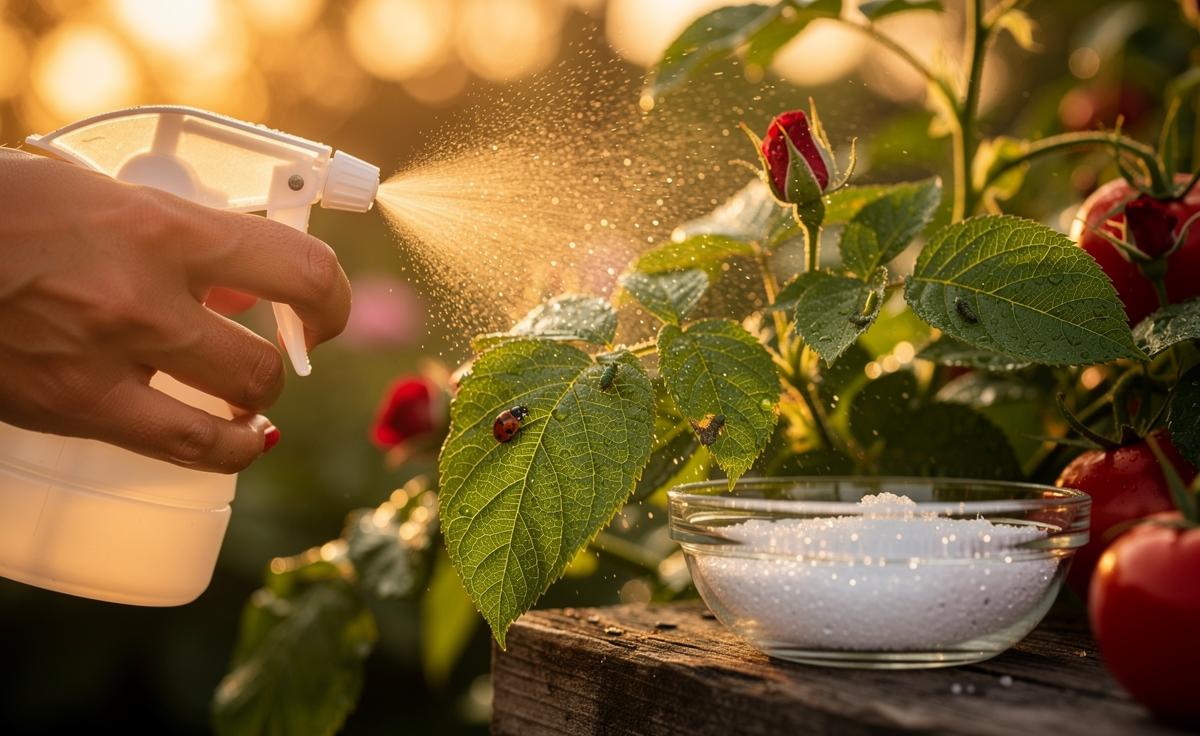
Claims of pest control range from bold to fanciful. Here’s the grounded take. Epsom salt can indirectly reduce pest pressure by elevating plant vigour, closing the window of vulnerability that aphids, whiteflies, and spider mites exploit. Some gardeners also report short-term suppression of soft-bodied pests after a light foliar spray (about 1 tablespoon per litre). The likely reasons are unromantic: mild osmotic effects and surface residues that make leaves a little less hospitable. It’s support and nuisance, not a pesticide in the conventional sense.
Context matters. It will not halt caterpillars or slugs; those chew through regardless. Nor does it replace an Integrated Pest Management plan, which includes clean culture, beneficial insects, and timely physical controls. Where Epsom salt shines is as a partner—improving chlorophyll density, bolstering leaf recovery after feeding, and helping plants outgrow minor infestations. Used this way, it’s a quiet ally, not a silver bullet. For heavy outbreaks, pair it with targeted measures (horticultural soap, nets, or sticky traps) and correct the underlying stressors that invited pests in the first place.
How to Use Epsom Salt Safely and Effectively
Respect the dose and you gain the benefit. For container plants, dissolve 1 tablespoon per litre and apply as a soil drench every 4–6 weeks during active growth. For roses and tomatoes in the ground, 1–2 tablespoons per plant in a watering can (per litre of water) every month is typical. As a foliar feed, spray 1 tablespoon per litre onto leaves in the cool of morning, avoiding bloom-heavy periods and hot, bright midday conditions. Always test on a few leaves first to check for sensitivity.
Match use to need. Where soils already hold ample magnesium, extra Epsom salt can create nutrient antagonism, nudging plants to take up less calcium or potassium. That’s counterproductive. A quick soil test or a look at leaf symptoms prevents waste and disappointment. Keep it away from waterways and don’t heap crystals around stems. Think precision, not excess. The table below summarises practical, conservative starting points.
| Plant/Problem | Symptoms | Suggested Use | Notes |
|---|---|---|---|
| Tomatoes/Peppers | Interveinal chlorosis on older leaves | 1–2 tbsp per plant, monthly drench | Foliar: 1 tbsp/L if rapid boost needed |
| Roses | Pale foliage, weak buds | 1 tbsp/L drench early season | Repeat every 4–6 weeks if responsive |
| Containers | General pale growth | 1 tbsp/L drench, 4–6 weekly | Feed alongside balanced fertiliser |
Soil Testing, Compatibility, and Common Myths
Test first, treat second. Many UK gardens don’t lack magnesium; they lack organic matter and balanced nutrition. If a soil test shows adequate Mg, adding Epsom salt won’t green leaves—it might even worsen issues by antagonising calcium uptake. That’s why Epsom salt won’t fix blossom end rot (a calcium problem) and, used recklessly, can make it more likely. Another myth: slug control. Epsom salt won’t stop slugs; use barriers, traps, or wildlife-friendly predators instead.
Compatibility is broad. Epsom salt mixes fine with most watering routines and coexists with compost, seaweed feeds, and slow-release fertilisers. It doesn’t significantly alter pH, so acid-lovers aren’t usually troubled by occasional sprays—though blueberries resent heavy salts, so be cautious. Think of magnesium sulfate as a precise tool to correct a specific deficiency or to pep up foliage under pressure. Keep your IPM basics—clean pots, spacing for airflow, resistant varieties—front and centre, and let Epsom salt play a supporting role when symptoms and tests justify it.
Epsom salt’s appeal is clear: targeted nutrition, quick uptake, and a modest nudge against minor pest pressures through healthier, harder-working leaves. Used with care, it supports lush growth, richer colour, and steadier yields. Ignore the hype, follow the signals your plants give you, and fold this mineral into a wider, thoughtful routine. The smartest gardens rely on synergy, not single fixes. Where could a measured dose of magnesium sit within your own pest-smart, soil-first strategy this season?
Did you like it?4.6/5 (29)