In a nutshell
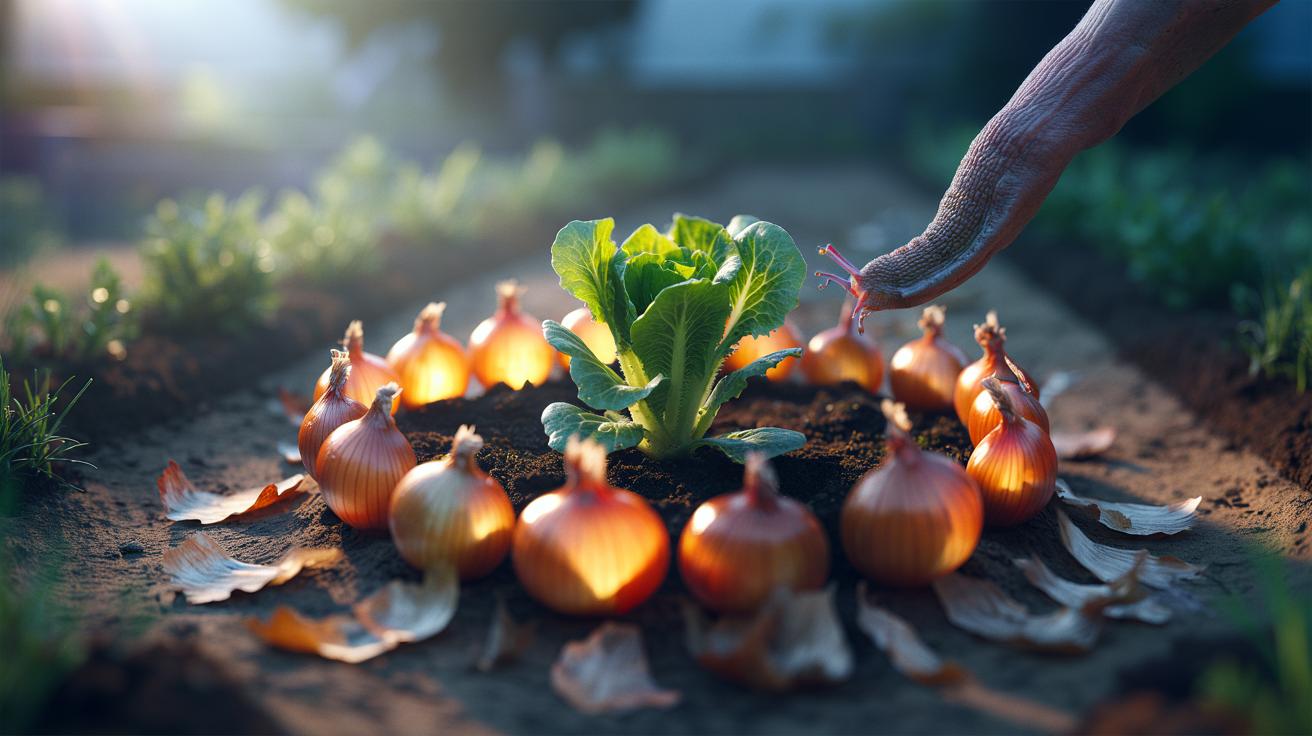
- 🛡️ Onion skins create a rough, aromatic barrier that deters slugs and snails overnight; scatter a loose ring around seedlings and refresh after rain.
- 🧪 The allium aroma and compounds like quercetin may confuse pests; treat skins as a deterrent, not a cure, and track local results.
- 🧰 Practical use: apply a single layer or a 5–8 cm collar, tuck skins under pot rims, and try a light onion-skin brew; combine with grit, copper, and night checks.
- 🌿 Zero-waste and safe: skins compost well, don’t shift soil pH, and can be anchored in wind; keep out of reach of pets and avoid smothering fine seedlings.
- 📈 Best as part of integrated pest management: expect reduced nibbling overnight—especially in dry spells—when paired with tidy beds and consistent top-ups.
Tonight, in countless British gardens, a handful of humble onion skins could make the difference between pristine seedlings and a slug-ravaged disaster. Gardeners swear by it: scatter the papery husks and watch pests retreat. The method is cheap, quick, and strikingly circular—kitchen waste becomes field armour. While it is not a silver bullet, there’s logic behind the practice. The skins are abrasive, aromatic, and slow to rot. They sit lightly on the soil, forming a brittle mat that irritates soft-bodied invaders. Used smartly, this simple barrier can protect plants through the danger hours when pests roam. Here’s what we know, what to expect, and how to deploy it for best results.
How Onion Skins Form a Night-Time Shield
Slugs and snails prefer slick surfaces and tender foliage. Onion skins provide the opposite: a dry, crinkled, low-friction barrier that feels hostile to mucus-reliant bodies. The shards crinkle under pressure, creating micro-gaps that are awkward to cross. For young lettuces, brassicas, and seedlings, that friction matters in the hours after dusk, when feeding peaks. Laid in a loose ring around stems, onion skins can disrupt the usual pest patrol routes and slow the first wave of damage. In trials by community gardeners, even a thin scatter reduced nibbling overnight, especially during dry spells.
There’s also the aroma effect. Onion skins hold residual allium scent. It’s not strong to us, but to many invertebrates that navigate via chemical cues, it’s confusing. The smell masks fresh green odours, buying plants a little breathing room before dawn. The skins’ papery texture lets air circulate and rain pass, so roots aren’t suffocated like they might be under dense mulches. This approach works best when refreshed after rain and when combined with tidy, slug-unfriendly edges. Think of onion skins as light armour—imperfect yet effective when used consistently.
What Science Suggests About Allium Aromas
Onion tissues contain sulphur compounds and flavonoids—think thiosulfinates and quercetin—that have documented antimicrobial and insect-behaviour effects. Fresh bulbs are strongest; skins are weaker but still carry traces. Evidence for direct pest repellence is mixed, yet suggestive. Some soft-bodied pests appear deterred by volatile allium cues, while others simply avoid the rough surface. It’s wise to treat onion skins as a deterrent, not a cure, and to track results in your own soil and microclimate. Field conditions vary wildly—rain, soil texture, and local slug populations all shape outcomes.
Studies on interplanting onions with carrots show fewer carrot flies where allium odours confuse host-finding. Extrapolation to skins as mulch is reasonable but not definitive. Still, gardeners value practical wins. The skins are dry, clean, and don’t clump, so they’re easy to deploy around vulnerable crops. Below is a compact guide to likely effects:
| Pest/Issue | Likely Deterrent | Evidence/Notes | Best Use |
|---|---|---|---|
| Slugs & snails | Rough texture, light odour | Anecdotal reports strong; formal trials limited | Rings around seedlings; refresh after rain |
| Aphids | Allium volatiles | Odour masking may reduce settling | Surface scatter near soft growth |
| Fungal splash | Soil cover | Mulch reduces soil-to-leaf splash | Thin layer between rows |
| Carrot fly | Odour confusion | Best proven by intercropping | Use with netting for reliability |
Practical Ways to Use Onion Skins in Beds and Pots
Save skins dry. Keep a jar by the hob and decant to a paper bag each week; a family roast yields plenty. Before dusk, scatter a single layer around target plants—about a mugful per square metre. For seedling trays, arrange a neat 5–8 cm collar around each plug. In pots, tuck skins under the rim to stop them blowing away. Water lightly to weigh them down, but don’t soak. Never mound skins against stems—airflow matters and damp collars invite rot. Expect to top up every few nights in wet weather, less often in dry spells.
For a quick spray, steep skins in hot water for 12 hours, cool, strain, and mist leaves and soil at dusk. The brew smells faintly savoury, fades by morning, and may add a mild deterrent layer without residue. Combine with sharp grit or copper tape at pressure points, and remove nearby hiding spots—old boards, thick weeds, slug hotels. Onion skins are best deployed as part of an integrated approach that includes vigilant night checks and tidy beds. Keep notes: which crops benefited, what the weather was doing, how long the shield lasted. Patterns emerge fast.
Sustainability and Safety Considerations
Using skins is classic zero-waste gardening. They’re a “brown” carbon input, so any surplus goes straight to the compost heap to balance wet kitchen scraps. They break down slowly, offering temporary cover without sealing the soil. Pet owners should be sensible—dogs shouldn’t eat onions—so place skins where curious noses can’t forage. If wind is lively, anchor with a light lattice of twigs or a sprinkle of damp compost. Refresh the barrier after heavy rain and before slug peak-times—dusk and post-dawn—when pressure is highest. Avoid overmulching fine seedlings; daylight should still reach the soil.
There’s no evidence skins shift soil pH meaningfully or tie up nutrients at the quantities used for deterrence. They play well with wildlife-friendly tactics: beer-free slug traps, wildlife corridors, and hedgehog access. In allotments, they’re discreet and won’t fall foul of tidy-plot rules. If you grow edible alliums nearby, don’t worry—the shared scent is a feature, not a bug. The biggest risk is complacency. Treat skins as an overnight guard, not a permanent fence, and rotate tactics as seasons and pest communities change. That adaptability keeps damage below the pain threshold.
Onion skins won’t turn a ravaged bed into an instant fortress, but they can tilt the odds overnight—cheaply, cleanly, and with pleasing thrift. Think of them as a first line, buying time for healthier growth and better mornings. Pair with vigilant watering at the base, clean borders, and a hawk’s eye after rain. The result is incremental yet visible: fewer bites, sturdier seedlings, calmer gardeners. Small, consistent interventions compound. Ready to keep a bowl by the cutting board and run a week-long trial around your most vulnerable plants—then refine what works best in your patch?
Did you like it?4.6/5 (23)