In a nutshell
- 🌿 Newspaper smothers weeds by blocking light and surface oxygen cues, halting germination and exhausting seedlings while still allowing limited air and moisture flow—breaking the weed seed bank without suffocating soil life.
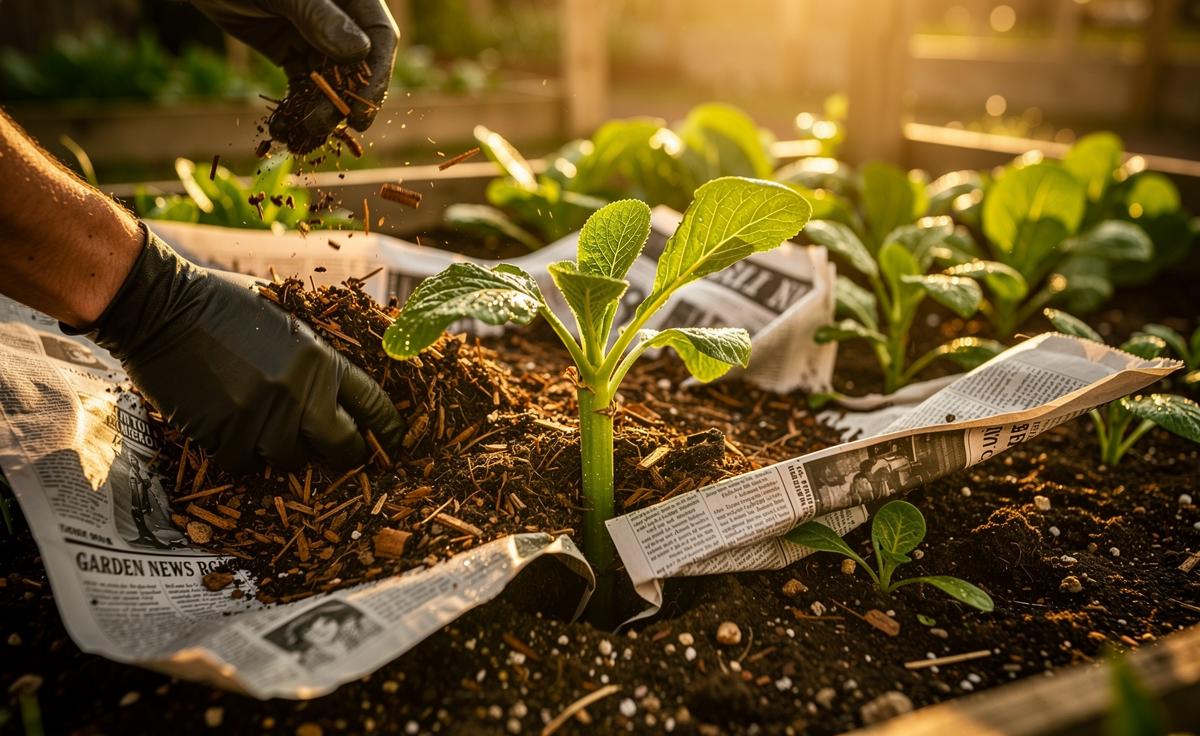
- 📰 Practical method: use 6–10 sheets of plain newsprint, overlap by 10–15 cm, wet thoroughly, cut X-slits around plants, and cap with 5–7 cm mulch to weigh down and extend suppression.
- ♻️ Environmental and soil gains: cuts reliance on herbicides and plastic fabric, boosts earthworms and microbial activity, moderates evaporation and temperature, and aligns with soil-friendly, low-disturbance gardening.
- ⚠️ Avoid common mistakes: layers too thin, no mulch cover, wrapping crowns, or using glossy pages; manage slugs with wildlife-safe tactics and tailor thickness to pressure—persistence beats brute force.
- 🧱 Smart alternatives: cardboard offers longer, stronger suppression; landscape fabric lasts years but can hinder biology—choose by desired decomposition time and weed pressure.
A pile of old newspapers can do more than line the recycling bin. Gardeners across the UK are using newsprint as a stealthy shield against weeds, turning yesterday’s headlines into today’s organic weed control. It’s cheap, quick, and surprisingly effective. Laid in a simple layer and capped with mulch, it blocks light, softens the soil below, and slowly feeds the life within. Think of it as a temporary blackout curtain for the ground, breathable yet uncompromising to unwanted growth. In a damp British spring or a dry summer, the method adapts. What looks makeshift at first glance becomes quietly professional once the bed settles and the plants surge ahead.
Why Newspaper Smothers Weeds
Weeds need sunlight to photosynthesise and energy to break through the soil surface. Newspaper stops both. Layered six to ten sheets deep, it blocks the spectrum weeds rely on, halting germination and starving established seedlings. The barrier also interrupts the oxygen flow weeds use to respire at the surface, forcing exhausted roots to quit. Starve the light and you starve the weed. Unlike plastic, though, newsprint allows a trickle of air and moisture to move, so soil organisms aren’t suffocated along with the weeds you’re targeting.
Capillaries in the paper wick water evenly, smoothing out wet-and-dry extremes. The layer softens as it hydrates, conforming to the soil surface and sealing the micro-gaps where opportunistic seeds find purchase. It also breaks the weed seed bank cycle: seeds that fall on top cannot reach soil; seeds beneath lack light cues to sprout. Rhizomatous thugs such as couch grass are slowed by the smother, buying you time to lift persistent runners later, with less regrowth.
As it decomposes, newspaper becomes food for fungi and bacteria, which in turn attract earthworms. Their tunnelling improves structure and drainage. That living churn gently lifts the paper, pulling fragments down and mixing them into the top layer. The barrier fades, the soil heals, and the weeds recede. This is suppression without sterility, a rare balance in weed management.
How to Lay a Newspaper Barrier
Start with plain, black-and-white newsprint; avoid glossy supplements or heavily coloured pages. Most UK titles use vegetable or soy-based inks, which are garden-safe. Strim tall growth, rake off debris, and water the area thoroughly. Moist soil helps the paper mould to the surface. Lay sheets in overlapping layers, 6–10 sheets thick, with a 10–15 cm overlap at all seams. If you can see soil, weeds can too. Dunk stacks in a trug of water or hose them as you go; wet paper locks down fast and resists wind lift.
Cut X-shaped slits for existing plants, easing paper around stems without choking crowns. Keep a gap around woody trunks to avoid rot. Immediately add a 5–7 cm topping of mulch—peat-free compost, leafmould, or shredded bark. This weights the paper, hides edges, and extends suppression by shielding from UV and pecking birds. Paths, perennial borders, and veg beds all benefit, but match thickness to pressure: heavier layers for couch grass, lighter for annual seedlings.
Maintenance is minimal. Top up mulch once or twice a season where it thins. In beds you’ll sow directly, apply in autumn and allow partial breakdown by spring, or use paper collars between rows. On steep banks, peg edges with biodegradable pins. For containers or raised beds, line only the surface; avoid blocking drainage. Laid well, the barrier works immediately, then quietly turns into soil.
Environmental and Soil Health Benefits
Repurposing newspaper keeps material in use and reduces reliance on plastic geotextiles or herbicides. As it decomposes, carbon feeds the soil food web, while the paper’s structure moderates evaporation. Beds stay cooler in heat, warmer in cold snaps. The method aligns with RHS advice to mulch and smother rather than disturb soil repeatedly, preserving soil aggregates and microbial networks. In wet summers, the cap reduces soil splash—fewer spores on leaves, fewer blight headaches. In drought, water goes further because the surface stays shaded and still.
Compared with alternatives, newsprint is nimble. Cardboard lasts longer and blocks more light, but can shed tape and inks; landscape fabric is durable, yet risks strangling soil life and shedding microplastics as it ages. The table below summarises the trade-offs to help you choose the right layer for your patch.
| Material | Light Block | Decomposition Time | Soil Health Impact | Suppression Duration |
|---|---|---|---|---|
| Newspaper | High (6–10 sheets) | 2–6 months | Positive; boosts earthworms | Seasonal |
| Cardboard | Very High | 6–12+ months | Positive if tape removed | Multi-season |
| Landscape Fabric | Very High | Years | Mixed; can hinder biology | Long-term |
Healthy soil is the objective, not just fewer weeds. Newsprint hits that brief by suppressing growth while inviting life back, especially when capped with organic mulch that balances carbon with a little nitrogen to avoid temporary lock-up.
Common Mistakes and Practical Tips
Too thin a layer is the classic error. Use six to ten sheets, overlapped generously. Skipping the mulch cover comes a close second; without weight and UV protection, paper lifts, tears, and degrades unevenly. Don’t wrap stems or smother crowns—leave breathing space. Avoid glossy magazines and heavily inked adverts where mineral oils may linger. For veg beds, purists prefer a compost buffer above the paper so edibles root into richer material while the paper suppresses beneath.
Slugs can shelter under any mulch. Counter with wildlife-friendly tactics: rough, dry mulch textures; beer traps; night collections; habitat for predators such as frogs and ground beetles. In windy gardens, pre-soak stacks and work in patches, covering each immediately. On creeping perennial weeds, repeat in stages: smother, lift survivors, re-cover. Persistence beats brute force.
Watch moisture. Newspaper moderates evaporation, but in very wet spells it can slow surface drying; use lighter layers or punched holes on heavy clay. In drought, it’s a gift—water less, stress less. When renovating tired borders, paper is a rapid reset: cut back, layer paper, mulch, and replant through slits. Compared with digging, you’ll keep dormant seeds buried and save your back. Low effort, high return is the signature of this method.
Turning newsprint into a weed shield is quietly radical: it denies light, protects moisture, feeds the soil, and then gracefully disappears. What begins as yesterday’s paper becomes tomorrow’s tilth, an elegant loop that cuts chemicals and plastic from the job. Simple materials, applied thoughtfully, can transform a bed in a weekend. With a hose, a stack of papers, and a bag of mulch, you can win the growing season before it starts. Will you try a newsprint smother this year, and if so, where in your garden will you roll it out first?
Did you like it?4.5/5 (27)