In a nutshell
- 🍽️ Experts’ top change: replace saturated fats with unsaturated fats (olive/rapeseed oil, nuts, oily fish) to lower LDL and coronary risk.
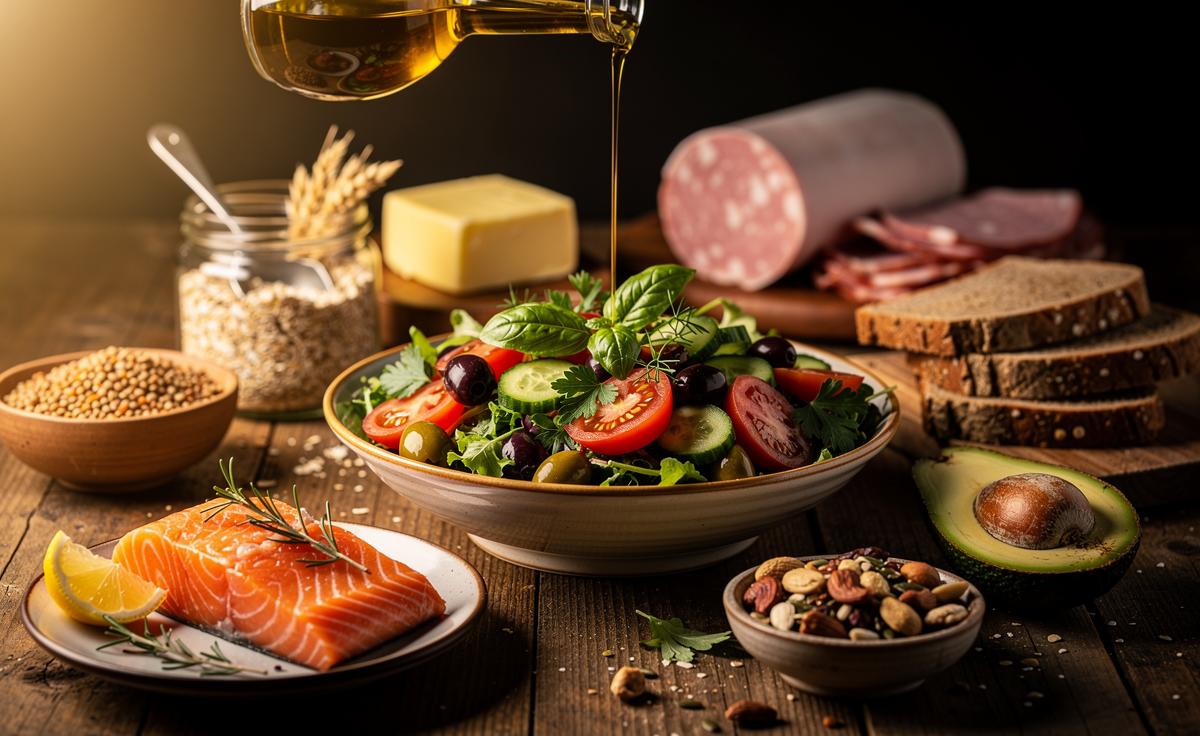
- 🌿 Adopt a Mediterranean-style pattern—veg, legumes, whole grains, nuts, extra-virgin olive oil—linked to ~30% fewer major cardiovascular events.
- 🥣 Go fibre first: 5–10 g/day soluble fibre from oats, barley, pulses, psyllium can reduce LDL by 5–10% and improve fullness.
- ⚖️ Low-carb isn’t automatically heart-healthy: benefits hinge on carb quality and prioritising unsaturated fats and plant proteins.
- 🛒 Practical swaps: trade butter for olive oil, red/processed meat for beans/poultry, add nuts; measurable lipid improvements often appear within weeks.
The question floods GP surgeries every January: what’s the single best diet change for a healthier heart? Cutting through noise from celebrity plans and viral “biohacks”, cardiology researchers point to a simple pivot backed by robust trials and UK guidelines. Shift the fats on your plate and the pattern of foods around them. That means prioritising unsaturated fats, more plants and soluble fibre, and fewer refined carbohydrates and ultra-processed foods. It’s less about perfection than a direction of travel: meals built around vegetables, legumes, nuts, whole grains and extra-virgin olive oil, with fish in supporting roles. Here’s what experts say actually moves the needle—and how to do it without feeling you’re on a diet.
Why Switching to a Mediterranean Pattern Leads the Pack
When cardiologists talk about diet “insurance”, they’re often describing a Mediterranean-style pattern: vegetables, beans, pulses, whole grains, nuts, seeds, oily fish and olive oil, with minimal processed meats and sweets. The landmark PREDIMED trial reported roughly a 30% reduction in major cardiovascular events among high-risk adults assigned to a Mediterranean diet with either nuts or olive oil versus a low-fat control. UK audits mirror this direction: populations eating this pattern tend to show lower LDL cholesterol, blood pressure, and inflammatory markers. The magic isn’t in a miracle food; it’s in a repeatable pattern you can live with.
Pragmatically, this means rebalancing your trolley. Swap butter for extra-virgin olive oil, choose tinned beans and wholegrain bread, and add a handful of unsalted nuts most days. That change displaces saturated fats and refined carbs simultaneously—two levers that consistently alter cardiovascular risk. Story from clinic: a South London bus driver I interviewed switched fry-ups for veggie-and-chickpea stews cooked in olive oil, kept his Friday fish-and-chips, and saw his non-HDL cholesterol fall over three months while losing only a modest amount of weight. The win wasn’t weight loss; it was the heart-friendly matrix below.
| Key Component | Primary Nutrient | Expected Heart Effect |
|---|---|---|
| Extra-virgin olive oil | Monounsaturated fat, polyphenols | ↓ LDL oxidation; modest ↓ BP |
| Nuts (30 g/day) | Unsaturated fats, fibre | ↓ LDL; improved lipid profile |
| Legumes and whole grains | Soluble fibre | ↓ LDL; better glycaemic control |
The One Change Experts Agree On: Replace Saturated Fats with Unsaturated Fats
If you want a single, evidence-led move, make it this: replace saturated fats (butter, fatty meats, coconut oil) with unsaturated fats (olive, rapeseed, avocado oils; nuts; seeds; oily fish). Meta-analyses show that trading just 5% of energy from saturated fats for polyunsaturated fats lowers LDL cholesterol and coronary risk. The beauty is in the swaps you hardly notice day to day. Keep the flavour, adjust the fat.
- Butter on toast → olive oil or rapeseed spread
- Streaky bacon → skinless poultry or beans/lentils
- Cream-based sauces → tomato, olive oil, herbs, and veg
- Confectionery snack → unsalted nuts and fruit
- Two red-meat dinners/week → one oily fish (salmon, mackerel) + one legume dish
Pros vs. Cons:
- Pros: Evidenced reductions in LDL; supports anti-inflammatory eating; easy culinary fit.
- Cons: Quality oils and nuts can be pricier; portion control matters for energy balance; coconut oil remains fashionable but isn’t heart-friendly.
Insider tip from dietitians: don’t just add oil—use it to replace animal fats you’d otherwise cook with. Pairing this with more veg increases potassium and fibre, complementing the lipid benefits with better blood pressure control.
Fibre First: Soluble Fibre as a Daily Cholesterol Tool
Experts consistently single out soluble fibre—the gel-forming kind in oats, barley, pulses and psyllium—as a day-in, day-out way to nudge LDL cholesterol down. Doses of 5–10 g soluble fibre per day can lower LDL by around 5–10%, a change on par with some entry-level interventions. Think of it as a small, daily tax on cholesterol absorption. In practice, that’s breakfast oats, a lunchtime bean salad, and a spoon of psyllium stirred into yoghurt.
Case study: Susan, a 54-year-old teacher from Manchester I followed for a feature, added barley to soups, swapped white wraps for wholegrain, and took 1 teaspoon of psyllium with water before dinner. Her total cholesterol dropped by 0.6 mmol/L in 10 weeks, with no medication changes. She said the biggest surprise was how full she felt, reducing the 4 pm biscuit run.
| Food (Typical Portion) | Soluble Fibre (g) | Heart Note |
|---|---|---|
| Oats, 40 g dry | 1.8–2.2 | Beta-glucan lowers LDL |
| Barley, 75 g cooked | 1.5–2.0 | Sustains fullness |
| Lentils, 150 g cooked | 1.0–1.5 | Protein + fibre combo |
| Psyllium, 1 tsp | 2.5–3.0 | Best-timed before meals |
Quick wins: switch to wholegrain bread and pasta, include a pulse three times weekly, and keep oat-based snacks around. The more you move towards plants, the less room there is for ultra-processed fillers.
Why Cutting Carbs Isn’t Always Better for Your Heart
Low-carb diets can assist with short-term weight loss and glycaemic control. But low-carb isn’t automatically heart-healthy. Trouble starts when carbohydrate restriction leans on high intakes of red and processed meat, butter and cream, nudging up saturated fat and LDL. On the flip side, carbohydrate quality matters: whole grains, beans and vegetables deliver fibre and potassium that support blood pressure and lipid profiles. The best results arise when carbs are smart, not absent.
Pros vs. Cons of Low-Carb for Heart Health:
- Pros: May reduce appetite; improves triglycerides when refined carbs are cut; helps some with type 2 diabetes.
- Cons: Animal-rich versions can raise LDL; hard to sustain; may displace fibre and micronutrients.
A practical compromise is a lower-carb, higher-fibre Mediterranean approach: more non-starchy vegetables, legumes and nuts; fewer white breads, sweets and crisps; modest portions of whole grains. For many Britons, simply halving refined carbs and doubling veg at dinner delivers a meaningful shift. If you do go low-carb, keep unsaturated fats front and centre and prioritise plant proteins to protect your lipid profile.
In the end, the expert consensus is boringly brilliant: replace saturated with unsaturated fats, eat more soluble fibre, and build meals around plants, fish, nuts and olive oil. These changes move clinical markers in weeks and endure because they’re tasty and sociable. You don’t need a new identity or an expensive “programme”—just small, repeated choices that reshape your average plate. If you changed only one thing this month, swap the fats you cook with and add oats or beans daily. What single swap feels realistic for you this week, and how will you make it stick in your kitchen?
Did you like it?4.5/5 (23)