In a nutshell
- ☕ Coffee on an empty stomach can spike stomach acid, gastrin, and cortisol, leading to jitters, nausea, or reflux—especially without a food buffer.
- ⚠️ People with reflux, IBS, ulcers, anxiety, or during pregnancy are more likely to react; pairing coffee with food often reduces symptoms.
- 🧠 Nutritionists emphasise context: coffee isn’t universally “bad”; habitual intake has benefits, but fasted caffeine can amplify stress responses in sensitive individuals.
- 🍳 Practical fixes: delay the first cup, hydrate, add protein, fat, and fibre, choose lower-acid brews or add milk, and start with a small serving.
- 📏 Dose matters: many tolerate up to ~400 mg caffeine daily (about 200 mg in pregnancy); choose drinks and portions accordingly to avoid mid-morning crashes.
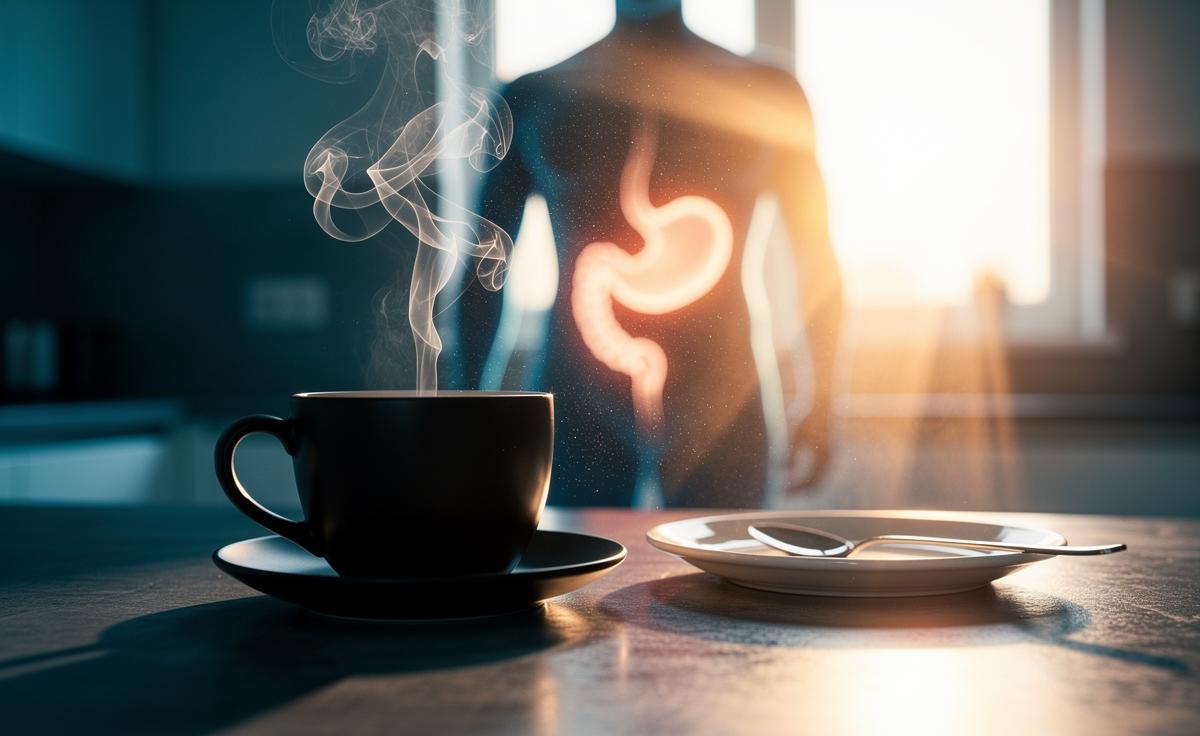
Coffee before breakfast is a morning ritual for millions, yet it now comes with a pointed question: is that first sip doing your gut a favour or quietly stirring trouble? Nutritionists across the UK say the truth is nuanced. Some people feel fantastic on black coffee at dawn; others report queasiness, a racing heart, or reflux that shadows them all day. Context, dose, and your own physiology matter more than dogma. This piece unpacks what actually happens when caffeine meets an empty stomach, who should be most cautious, and how a few simple tweaks can preserve the joy of that first cup while protecting your digestion and energy.
What Happens in Your Body When You Drink Coffee First?
That hot cup does more than wake your brain. Coffee stimulates the release of gastrin and boosts stomach acid, which can speed gut motility and, in sensitive people, trigger heartburn or a nervous flutter. Caffeine also ramps up the sympathetic nervous system, lifting alertness by raising adrenaline and nudging cortisol. On an empty stomach, these effects can feel louder: there is no food buffer to slow absorption, so the rise in plasma caffeine is quicker. If you notice jitters, nausea, or a sour stomach after your first cup, your body is signalling that timing—or dose—needs attention.
But there’s a flip side. For many, morning coffee is benign. Black coffee contains virtually no calories, and research links habitual intake with lower risk of type 2 diabetes and liver disease. The oft‑repeated claim that coffee “erodes” the gut lining is not supported by strong evidence. Still, context rules. If you have reflux, gastritis, or IBS, that acid and motility boost can aggravate symptoms, especially when your stomach is otherwise empty. Listen to response, not hype. Small changes can transform how your body receives caffeine.
The Case for Eating First: Who Should Be Careful
People with reflux, ulcers, or functional gut disorders are the most likely to feel worse with coffee on an empty stomach. The acid load and sphincter relaxation can amplify burning, bloating, or urgent trips to the loo. Those prone to anxiety may also find fasted caffeine intensifies palpitations and restlessness. If you often wake shaky or light‑headed, consider that caffeine can suppress appetite and mask emerging low blood sugar, setting up a mid‑morning crash. For shift workers or early exercisers, fasted coffee before stress or training can be a double‑stressor.
There are life stages to consider. During pregnancy, UK guidance suggests limiting caffeine to about 200 mg per day; starting with food helps minimise queasiness and reduce reflux, which is common in the third trimester. Individuals with IBS or diarrhoea‑predominant symptoms often tolerate coffee better when it follows a small meal containing fat or protein. That said, not everyone needs to change. If you’re asymptomatic, your blood pressure is stable, and you don’t overdo the dose, a modest black coffee on waking may be perfectly acceptable.
Smart Morning Strategies: Timing, Pairings, and Portions
Think adjustments, not abstinence. Start with hydration: a glass of water before coffee eases throat dryness and may soften perceived acidity. Try delaying your brew by 20–60 minutes, allowing a steadier cortisol curve. If you’re sensitive, add food first—something with protein, fat, and fibre to slow absorption and stabilise energy. A small snack can be enough: a banana with nut butter, yoghurt with oats, or an egg on toast. Prefer lower‑acid options like cold brew, a medium roast, or adding milk to buffer acidity. And mind the dose; more isn’t merrier.
| Beverage (typical UK serving) | Approx. Caffeine (mg) | Notes for Empty Stomach |
|---|---|---|
| Espresso (30–40 ml) | 60–80 | Fast hit; pair with a bite if jittery. |
| Americano/Filter (240 ml) | 80–140 | Moderate to high; add milk or food if reflux‑prone. |
| Instant coffee (240 ml) | 60–90 | Often gentler; still consider a small snack. |
| Cold brew (240 ml) | 100–180 | Lower acidity, but can be strong—watch portion size. |
Practical rule: start at 1 cup, sip slowly, and assess. Many adults tolerate up to ~400 mg caffeine daily; in pregnancy, stick near 200 mg. Your gut will tell you what works.
Coffee Culture and the Evidence: What Nutritionists Really Say
Nutritionists don’t want to take away your morning pleasure. They want you to notice patterns. If empty‑stomach coffee leaves you wired, nauseous, or burning, it’s not you—it’s the context. Evidence does not show routine coffee causes ulcers, and habitual drinkers often have a resilient response. Still, clinical experience is clear: in people with reflux, IBS, or high baseline stress, fasted caffeine magnifies symptoms far more than the same coffee taken with food. That’s not moralising; it’s physiology.
There’s also the myth of dehydration. Coffee is mildly diuretic, yet for regular drinkers it still counts toward fluid intake. What matters most is total daily hydration and how you distribute caffeine. Pairing your brew with breakfast can reduce gastric irritation, smooth energy, and lower the likelihood of a mid‑morning crash. If you love the ritual, keep it—just tweak variables: roast, milk, timing, and dose. The goal isn’t less joy; it’s fewer side‑effects and steadier focus.
So, is coffee on an empty stomach “bad”? Not universally. It depends on your gut, your stress levels, and how much—and how fast—you drink. For sensitive people, eating first or choosing gentler brews often solves the problem without sacrificing the ritual. For others, a simple glass of water and a measured pour are enough. Your morning cup should help, not hinder. What small change could you try tomorrow to keep the flavour and skip the fallout?
Did you like it?4.6/5 (22)