In a nutshell
- 🧪 The chemistry: eugenol in clove oil blocks voltage-gated sodium channels, adds anti-inflammatory and antimicrobial effects, delivering fast numbing of toothache.
- 🧴 Safe use: dilute to 0.5–2% with a carrier oil, apply with a cotton bud to the target area, do a patch test, limit to 2–3 times/day, and avoid in children under six or with bleeding disorders.
- ⚖️ Pros vs. Cons: Quick, targeted relief and low cost vs potential irritation if neat, short duration, and it’s not a cure for decay, abscesses, or irreversible pulpitis.
- 🧰 Real-world results: Case notes show diluted eugenol buys time until dental care; dentists often use zinc oxide–eugenol (ZOE) dressings for soothing temporary coverage.
- 🚨 When to see a dentist: Seek urgent help for pain >48 hours, swelling, fever, foul taste, or swallowing issues; use eugenol for comfort while pursuing definitive treatment.
When tooth pain strikes at 10 p.m., many Britons reach for a tiny bottle with a big reputation: clove oil. Its active constituent, eugenol, has been used by dentists for more than a century to calm inflamed teeth and disinfect problem areas. In the kitchen it’s a spice; in the bathroom cabinet, a fast-acting ally. Used correctly, clove oil can offer rapid, targeted relief while you arrange proper dental care. Below, we unpack how eugenol actually numbs pain, the smartest ways to use it at home, and the limits you should respect. From chemistry to case notes, here’s the practical guide that puts science behind the sting-soothing lore.
What Makes Clove Oil Work: The Chemistry of Eugenol
The star molecule in clove bud oil is eugenol, typically 80–90% of the oil by composition. Its analgesic punch comes from several actions. First, eugenol behaves like a mild local anaesthetic, blocking voltage-gated sodium channels in nerve membranes so pain signals fail to fire. Second, it shows anti-inflammatory effects, dampening pathways such as COX-2 that amplify soreness. Third, eugenol is antimicrobial, inhibiting oral bacteria implicated in caries and gum disease. This multi-action profile explains why pain eases quickly and why tissues often feel less “angry” minutes after application.
In professional settings, dentists have long relied on zinc oxide–eugenol (ZOE) for temporary dressings because eugenol soothes the pulp while the zinc oxide sets into a protective barrier. At home, the same molecule—delivered via diluted clove oil—can offer a stopgap for throbbing teeth, sore gums, or a lost filling. Keep in mind: potency is a double-edged sword. Undiluted eugenol can irritate mucosa and even burn tissue. Respecting concentration and contact time is essential to get the benefits without the bite.
| Mechanism | What It Does | Evidence Snapshot |
|---|---|---|
| Sodium channel block | Numbs nerve conduction | Repeated in vitro studies; consistent clinical use in ZOE |
| Anti-inflammatory | Reduces swelling and tenderness | Laboratory models show COX-2 modulation |
| Antimicrobial | Limits bacterial load at the site | Active against common oral pathogens |
How to Use Clove Oil Safely at Home
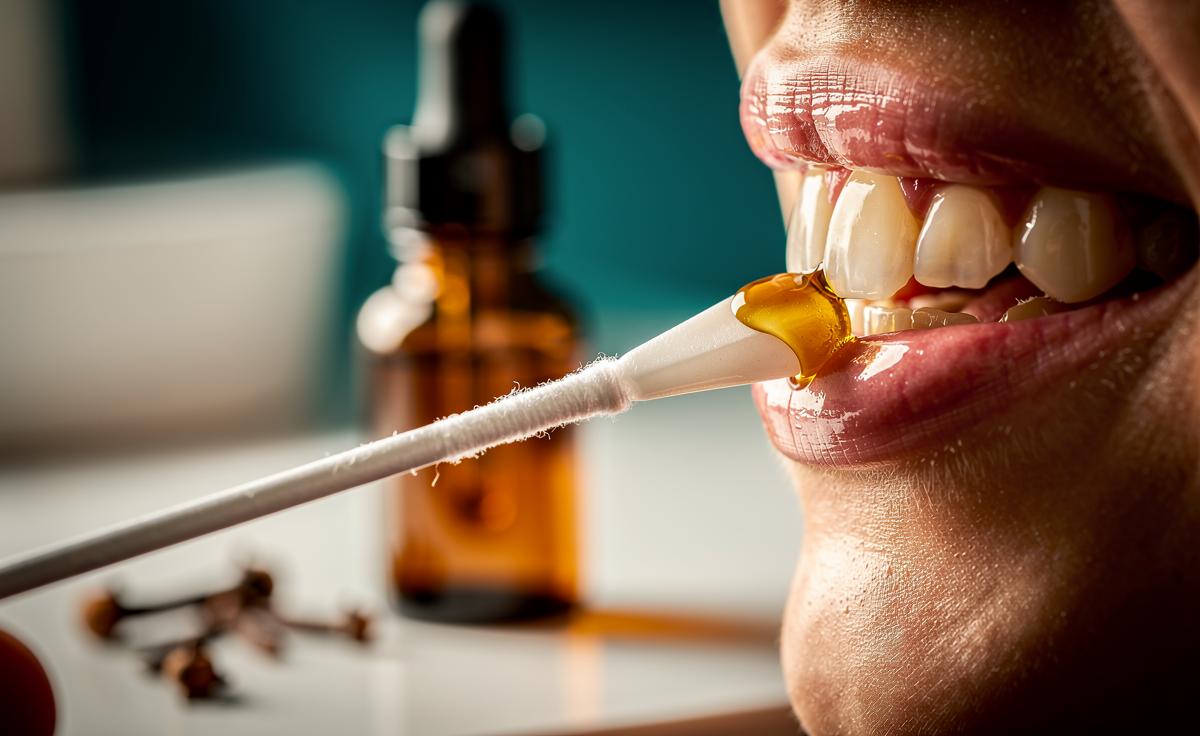
The rule of thumb: dilute, target, and limit exposure. Pure clove oil is strong. Mix it with a carrier oil (olive, coconut, or almond) before applying with a cotton bud. Gently dab the painful tooth or gum; avoid rubbing it across the cheek or tongue.
| Purpose | Suggested Dilution | How to Mix | Max Frequency |
|---|---|---|---|
| Acute toothache spot | 1–2% eugenol | 1–2 drops clove oil in 1 tsp (5 mL) carrier | Up to 3 times/day |
| Sore gum line | 0.5–1% | 1 drop in 2 tsp (10 mL) carrier | Up to 2 times/day |
| Temporary lost filling | 1–2% around edges | Apply around, not deep into cavity | Until dentist visit |
Practical steps: (1) Do a patch test on the forearm. (2) Dry the tooth with tissue for better contact. (3) Apply for 2–3 minutes, then remove excess. (4) Rinse with water after 10–15 minutes if tingling persists. Avoid use in children under six, during late pregnancy without professional advice, or if you have bleeding disorders or take anticoagulants—eugenol can have mild antiplatelet effects. If pain is severe, lasts more than 48 hours, or you notice swelling, fever, or bad taste, seek urgent dental care.
- Pros: Quick relief, targeted, inexpensive, available at UK pharmacies.
- Cons: Can irritate if neat, short-lived, no substitute for treating decay or infection.
Real-World Results: Case Notes, Pros vs. Cons
On a wet Tuesday in Leeds, a commuter cracked a molar on a rogue popcorn kernel. A diluted clove oil dab stopped the lightning zaps long enough to sleep, and a dentist placed a temporary ZOE dressing the next day. In Manchester, a parent soothed a teen’s erupting wisdom tooth with a 1% mix until a check-up confirmed pericoronitis, which required cleaning and advice rather than antibiotics. In both cases, eugenol bought time without masking red flags.
Where eugenol shines: sharp, localised pain from exposed dentine or a lost filling; tender gums after flossing; and post-procedure sensitivity when your dentist approves topical use. Where it disappoints: deep, throbbing pain from irreversible pulpitis or abscesses—problems that need mechanical or surgical intervention. Think of it as a precise plaster, not a cure. For some, the “spicy” flavour or warming tingle is pleasant; for others, it’s overpowering. If you dislike the taste, choose a smoother carrier like coconut oil and keep applications brief to reduce aftertaste.
- Best paired with: Saltwater rinses, gentle brushing with a soft brush, and timely dental appointments.
- Avoid combining: Multiple essential oils in one mix; it raises irritation risk without clear benefit.
Why Clove Oil Isn’t Always Better Than a Dentist Visit
It’s tempting to believe a cupboard remedy can outpace a clinic. But clove oil manages symptoms; it doesn’t remove decay, drain an abscess, or reshape a cracked cusp. If pain wakes you at night, lingers beyond two days, or comes with swelling, foul taste, fever, or difficulty swallowing, prioritise a same-day dental assessment. In the UK, NHS 111 can guide urgent access; many high-street practices offer emergency slots. Over-reliance on topicals can delay necessary care and, in rare cases, allow infections to spread.
That said, leveraging eugenol smartly can smooth the journey to treatment. Use it to stay comfortable, keep eating on the opposite side, and maintain oral hygiene without flinching. Consider a temporary filling kit (often ZOE-based) for lost fillings, and document what triggers pain—cold drinks, biting pressure, or sweet foods—to help your dentist diagnose quickly. Relief now, resolution next is the most reliable path. Respect the chemistry, follow dilution guidance, and let professionals handle the root cause.
Clove oil’s secret isn’t folklore; it’s the pharmacology of eugenol—a nimble anaesthetic, anti-inflammatory, and antimicrobial in one. Used with care, it calms the storm so you can reach proper treatment in control, not in crisis. Keep a small bottle, a carrier oil, and cotton buds in your home kit, and remember the limits as well as the strengths. When pain flares, targeted eugenol can be the quiet hero. How will you build a simple, evidence-led dental first-aid plan that balances swift relief with timely professional care?
Did you like it?4.7/5 (25)