In a nutshell
- 🧠 TV triggers hyperarousal, raising cortisol and attention, delaying sleep onset and fragmenting deep, restorative stages.
- 💡 Blue-enriched light suppresses melatonin and shifts the circadian clock, making you sleepy later and reducing sleep quality.
- ▶️ Autoplay and cliff-hangers create a “one more” loop, subtly pushing bedtimes back by 30–90 minutes and shaving off deep sleep.
- ⚠️ Knock-on health costs: increased late snacking, poorer mood and focus, and reduced REM/slow-wave sleep that undermines next-day performance.
- 🌙 Better evening habits work: set a viewing curfew, disable autoplay, dim to warm light, choose audiobooks/stretching, and build an analogue wind-down.
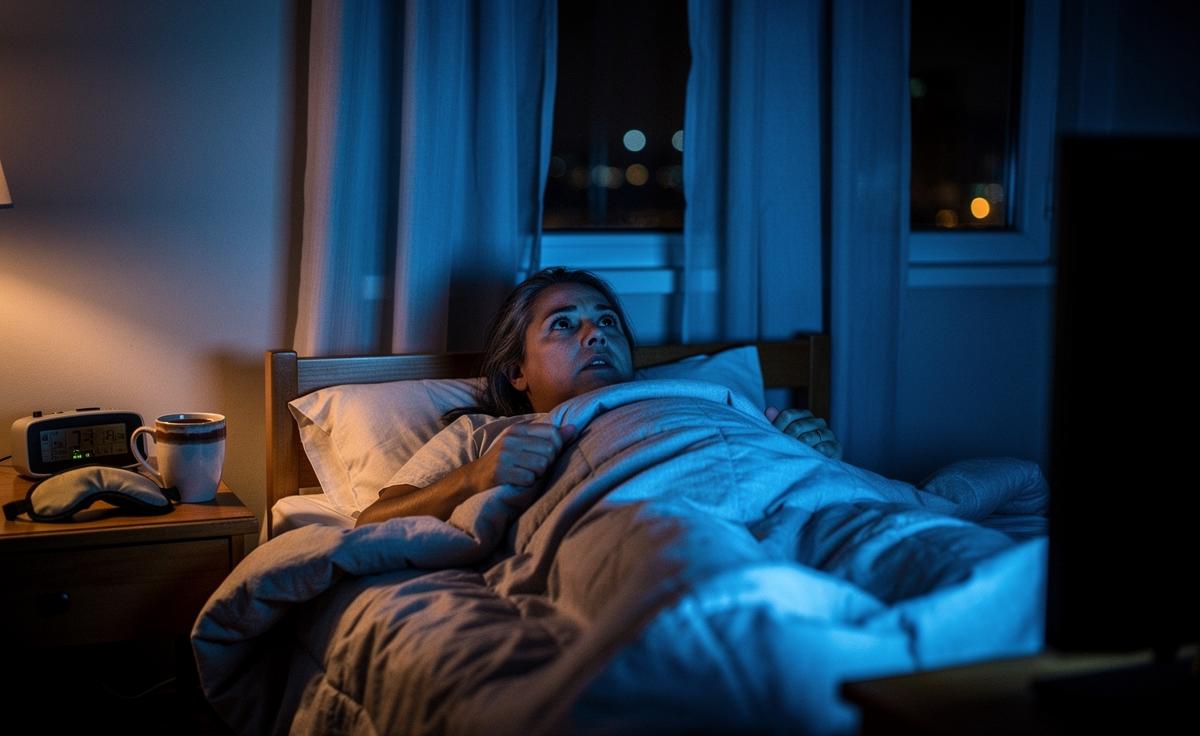
You know the drill. One episode before bed, then another, and suddenly midnight has slipped into the small hours. Sleep experts warn this isn’t just a willpower issue or a guilty pleasure gone long. It’s biology and design working against you. Late-night television keeps your brain awake long after the screen goes dark. Between the glow of the screen, the pulse of cliff-hangers, and the background hum of adverts, your nervous system never gets the memo to slow down. The result is predictable: delayed sleep, poorer sleep quality, and that heavy-eyed, foggy feeling the next day that no amount of coffee quite fixes.
Why TV Before Bed Hijacks Your Brain
Sleep clinicians describe evening viewing as a perfect storm of hyperarousal. Fast-cut editing, suspenseful soundtracks, and emotional storylines raise heart rate and tighten attention. That’s great at 8 p.m. Less so at 11. Your brain learns to stay on guard when it ought to power down. This arousal keeps stress hormones, such as cortisol, higher than they should be late at night, making it harder to drift off.
The design of modern streaming platforms compounds the effect. Autoplay removes friction, cliff-hangers exploit curiosity, and algorithmic recommendations stretch “one more” into three. Behavioural scientists call this a “hot state” loop. You’re prompted, you respond, and the cycle repeats, silently pushing your bedtime back by 30, 60, even 90 minutes. The final cost isn’t just minutes lost; it’s deep sleep shaved away.
Then there’s the cognitive hangover. Intense narratives prime memory and emotion, keeping your mind in rehearsal mode. You replay scenes, anticipate outcomes, or argue with the plot. All that mental chatter lengthens sleep latency and fragments early-night rest, when your brain should be sinking into slow-wave sleep that restores alertness and mood.
The Science of Blue Light and Circadian Rhythm
Television screens emit blue-enriched light that cues daytime to your brain. Specialised retinal cells send this light signal to the body’s master clock—the suprachiasmatic nucleus—suppressing melatonin, the hormone that helps you feel sleepy. Even 30–60 minutes of bright evening exposure can shift your circadian rhythm, delaying biological night. When melatonin is muted, sleepiness arrives later, and quality often suffers.
“But I watch with the lights off,” you might say. Ironically, that can make the light signal more potent by increasing the screen’s contrast against a dark room. The brain reads that crisp, cool spectrum as a wake-up call. Turn on overheads and you add glare and stimulation. It’s a lose–lose if the goal is calm, steady wind-down.
Sleep experts recommend treating the last 60–90 minutes before bed as light hygiene. Dim, warm lighting supports melatonin release; cool, bright illumination stalls it. If you must keep a screen nearby for company, lower the brightness, activate a night mode or warm filter, and sit farther back to reduce intensity. Best of all, swap motion for audio—radio, podcasts, or music—so your eyes can rest while your mind gently settles.
Beyond Sleep: The Hidden Health Costs
Late-night TV doesn’t stop at lost shut-eye. It nudges routines that ripple across health. Bedtime snacking rises with passive viewing, increasing the risk of reflux and blood sugar swings that fragment sleep. Sleep debt then erodes appetite control and decision-making the next day, which can steer you towards quick energy over balanced meals, compounding the cycle.
Mood takes a hit too. Short sleep has been linked with lower resilience, irritability, and reduced capacity to manage stress. When evening viewing shortens REM sleep, emotional processing suffers, making challenges feel larger and patience thinner. Add in missed morning light—because you’ve shifted your wake time—and your body clock drifts further from natural anchors.
There’s also the question of attention. Chronic tiredness blunts focus, memory, and creativity. Tasks stretch, errors creep in, and motivation falters. That’s a real cost for work, study, and family life. What feels like harmless relaxation can quietly become a drain on daytime vitality, cutting into the very energy you hoped to restore by switching on the TV.
Better Evening Habits That Still Feel Like a Treat
You don’t need to give up pleasure to reclaim your nights. Redesign the hour before bed. Create an “analogue buffer”—a period with softer light, slower inputs, and fewer triggers. Think paper books, gentle stretches, journalling, or a warm shower. If stories are your comfort, swap the screen for an audiobook; narrative without the glare still soothes.
Use simple guardrails. Set a viewing curfew—no new episodes after a fixed time—and disable autoplay. Keep a visible clock in the room so minutes don’t disappear. Dim lamps to warm tones (around 2700K or lower), reduce screen brightness, and sit at least two metres from the TV if it’s on at all. Make sleepy environmental cues impossible to miss.
| Swap | Why It Helps |
|---|---|
| TV episode → Audiobook/podcast | Removes blue light; keeps narrative comfort; eyes can close |
| Overheads → Warm lamp | Supports melatonin and relaxation signals |
| Autoplay on → Autoplay off | Restores friction; protects bedtime from “just one more” |
| Sofa scrolling → Light stretch/reading | Lowers arousal; prepares body for sleep |
Finally, give yourself a reward that competes with the next episode: a bath, a favourite tea, a short phone call. Pair that cue with your cut-off time nightly. Consistency is the quiet superpower of good sleep.
Television can be a joy. But the hour before bed is precious territory, and the mix of blue light, hyperarousal, and design tricks makes it uniquely unhelpful. Guard it, and your mornings will thank you. Start small: two device-free nights a week, or a 60-minute wind-down rule. Notice how quickly your energy, mood, and focus rebound when sleep stops competing with one last episode. What change will you try tonight to make tomorrow feel clearer, calmer, and more you?
Did you like it?4.6/5 (29)