In a nutshell
- 🍵 Prioritise social connection, everyday joy, and the power to say no to stressors—consistency over heroics.
- 🚶♀️ Embrace micro-movements and higher NEAT: stand for calls, stretch at the kettle, take short walks that add up.
- 😴 Keep a steady sleep routine and seek morning natural light to reinforce circadian rhythm and stabilise hormones.
- 🥗 Choose simple, affordable foods—veg-heavy, beans, and tinned fish—and design your day so healthy choices are the default.
- 🧠 The science matches the folklore: social ties, sleep, and regular movement reduce inflammation and risk, letting small habits compound.
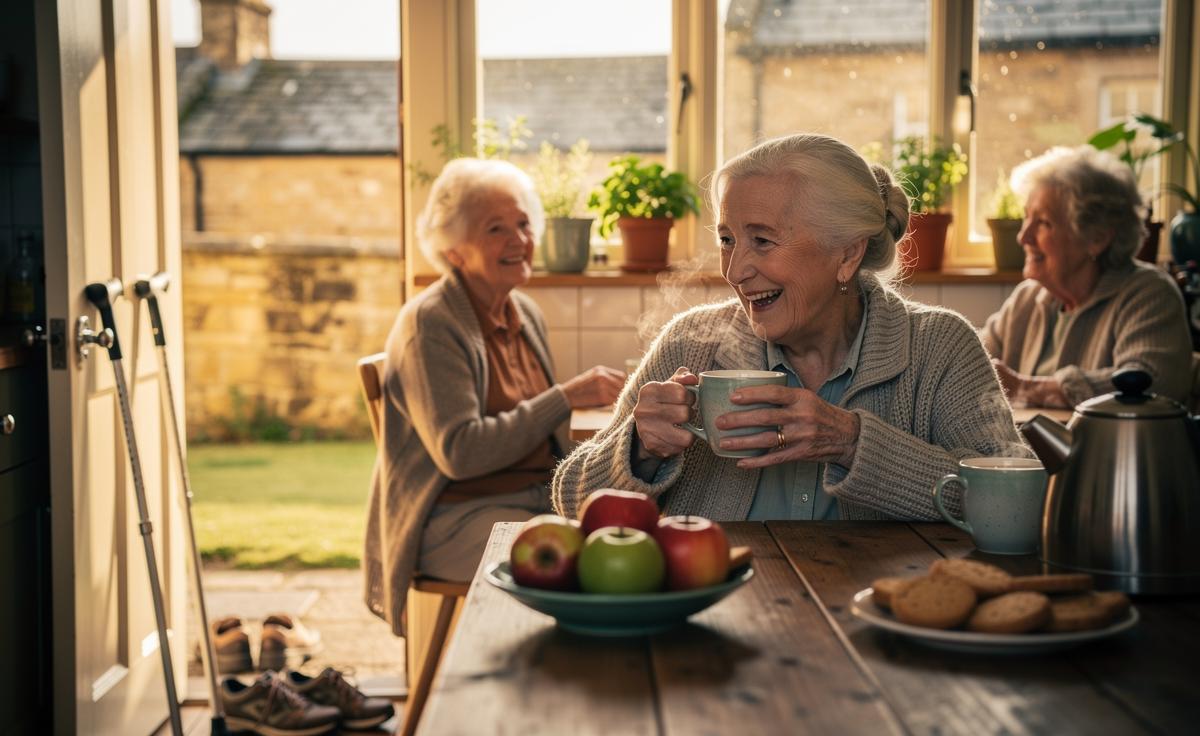
When I asked a 101-year-old former seamstress from Yorkshire for her secret, she didn’t whisper about vitamins, gene hacks, or cold plunges. She smiled, poured a proper brew, and said, “Keep your friends close, your sleep regular, and your diary light.” It sounded almost defiant. No tech. No tinctures. Just a stubborn commitment to small joys and boundaries. Across Britain’s coastal towns and terraced streets, I’ve heard this refrain: life stretches when stress shrinks. The surprise isn’t that centenarians value health; it’s that their version is disarmingly ordinary. Consistency over heroics. Connection over competition. And, yes, a biscuit with tea if it keeps you cheerful.
An Unlikely Prescription: Tea, Laughter, and Saying No
“A cuppa at eleven, a chat by noon, and a nap if you need it.” That was the rhythm she offered, a rhythm that sounds quaint until you notice its iron logic. Tea anchors routine, warms hands, and creates a reason to pause. Laughter isn’t frivolous; it’s social glue. And the power to say no? That’s the unsung pillar of autonomy. She swore that refusing the wrong invitations extended the right kind of life. It wasn’t about hermitage. It was about conserving energy for people and places that mattered.
She also endorsed “micro-movements”: stand for phone calls, stretch while the kettle boils, stroll to the corner shop even if someone offers a lift. Five minutes here, seven there. Not heroic. Cumulative. This is the quiet opposite of boom-and-bust fitness. No torn hamstrings. No regret. A biscuit? Sometimes. A pint? Rarely, but never guiltily. Her rule of thumb: finish days slightly hungry for tomorrow, not exhausted by today. Small pleasures done daily beat grand gestures done once. The common thread was gentle discipline, stitched with joy and a touch of Yorkshire mischief.
Science Behind the Folklore
Much of this “soft” wisdom has hard edges in the research. Strong social ties are linked with lower mortality risk in observational studies from the UK and beyond. Light, frequent activity tampers chronic inflammation and improves metabolic health; you don’t need marathons to get meaningful gains. Regular sleep stabilises hormones and mood, while daytime natural light calibrates circadian rhythms—both associated with healthier ageing. Saying no reduces chronic stress, which, left unattended, fuels high blood pressure and cardiovascular strain. The point is not that tea or gossip is magic; it’s that the routines they summon hold the fabric of health together. Habits are health’s scaffolding.
Consider the balance of evidence: nutrition studies favour varied, plant-forward diets; activity research highlights accumulated movement; psychology emphasises purpose and belonging. None shout about miracle cures. They whisper about small, repeatable acts—protecting joints, hearts, and heads. In short, the folklore maps surprisingly well onto the mechanisms: insulin sensitivity, inflammation, sleep architecture, and stress regulation.
| Unlikely Advice | Possible Mechanism | Evidence Type |
|---|---|---|
| Daily tea and a chat | Social connection, relaxation response | Observational links to longevity |
| Stand while the kettle boils | More NEAT (non-exercise activity), better glucose control | Cohort and lab studies |
| Fixed bedtime | Stable circadian rhythm, hormonal balance | Sleep research |
| Gentle refusal of stressors | Lower cortisol, reduced blood pressure | Stress and cardiovascular data |
Rituals That Add Up Over Decades
Centenarian routines look humble on paper. They’re engines in disguise. Morning light on the face for ten minutes. A brisk neighbourhood loop after lunch. A hearty bowl of veg-laden soup, more beans than beef. Not saintly—just steady. She kept a bowl of apples by the door and a pair of shoes by the mat to make the good choice the easy choice. Friction is the enemy of healthy habits; remove it ruthlessly. For the British budget, that means frozen peas, tinned fish, market carrots, and spice-rack alchemy.
There’s also a social architecture: standing coffee dates, a weekly choir, phone calls on birthdays that actually happen. These rituals aren’t decoration; they are the skeleton of purpose. Workable tech helps—calendar nudges to stand or water plants, not to harangue you into guilt but to gently steer. Even in poor weather, five minutes by an open window can shepherd your body clock. And if you sit to watch the football, stand at half-time and stretch. No martyrdom. Just design. Make the healthy way the default, not the exception.
Longevity, in the end, seems less a mystery than a mosaic: tiny tiles, carefully placed, repeated across seasons. The centenarian’s unlikely advice—drink tea, laugh often, move a little, and decline what drains you—won’t launch a start-up or win a grant, but it will likely make tomorrow feel lighter. That is the real secret: vitality by accumulation. Small acts compound like interest. What if we treated our days as deposits rather than debts? What two-minute ritual could you add this week that your 90-year-old self might thank you for?
Did you like it?4.6/5 (21)