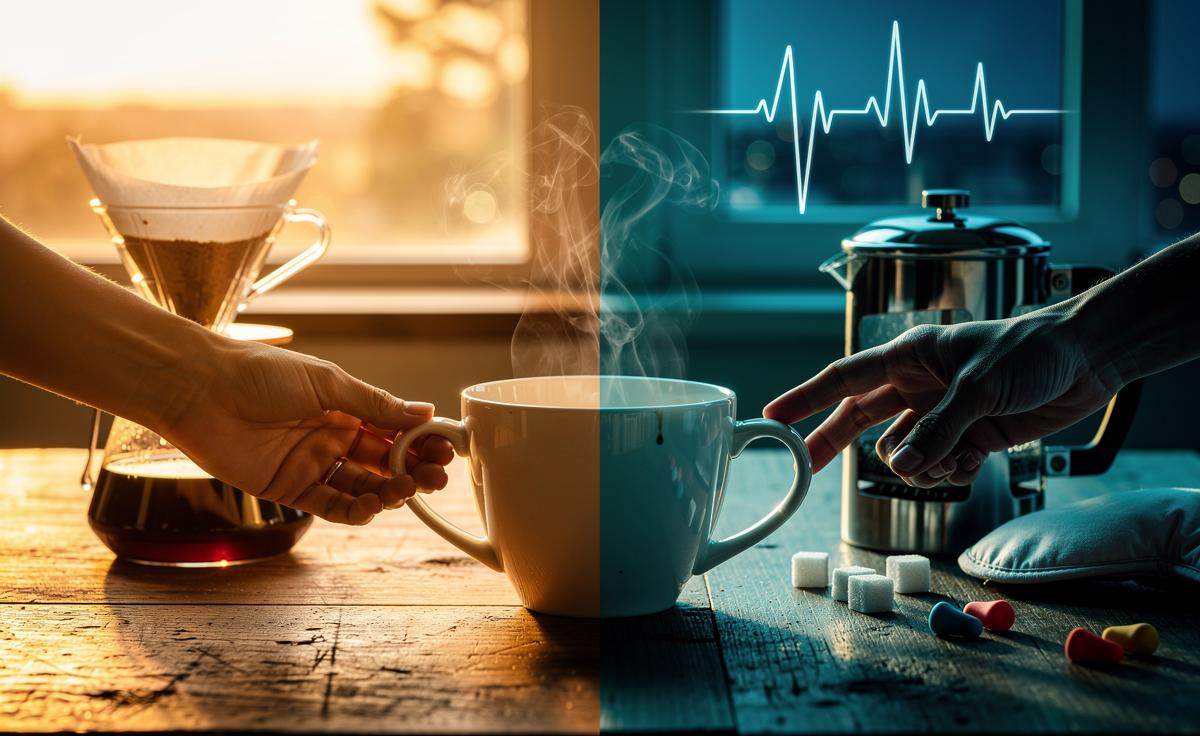
In a nutshell
- ☕️ Coffee is more than caffeine: it packs chlorogenic acids, trigonelline, and oily diterpenes; acrylamide from roasting is present at low levels.
- 📏 Know your dose: about 400 mg/day for most adults and 200 mg if pregnant; cup size and brew method can swing caffeine content dramatically.
- 🫀 Hidden downsides: unfiltered brews can raise LDL via cafestol; coffee may aggravate reflux and anxiety, while meds and CYP1A2 genetics slow clearance.
- ⏰ Timing matters: caffeine’s half-life is 3–7 hours; late cups erode sleep and fuel a jitter–insomnia loop.
- ✅ Real benefits: sharper alertness and links to lower risks of type 2 diabetes, Parkinson’s, and liver disease; keep perks by using filters, trimming syrups, and moving your last cup earlier.
Britain loves a brew. The hiss of the espresso machine, the rattle of a takeaway lid, the comforting hit of warmth in a cold commute. Coffee feels harmless, almost virtuous. Yet behind the foam and fragrance sits a chemistry set of stimulants, oils, and compounds that can jolt minds and unsettle bodies. Is your daily cup a health boon or a ticking risk? The truth is both messier and more surprising than the Instagram latte art suggests. It isn’t about one villainous bean. It’s about dose, timing, and your body’s unique response. And yes, for some of us, that response can be unexpectedly sharp.
What’s Really in Your Cup
Your coffee is more than caffeine. It’s a brew of chlorogenic acids (linked to antioxidant activity), trigonelline (which helps form coffee’s aroma), and diterpenes like cafestol and kahweol. These oily compounds, abundant in unfiltered brewing methods, can raise LDL cholesterol levels when consumed in high amounts. Filtered coffee traps much of them; French press and Turkish styles leave more in the cup.
Then there’s acrylamide, formed when beans are roasted. Levels vary by roast and brand, and everyday exposure from coffee is generally low. Still, it’s a reminder that even beloved foods carry trace by-products of heat. Risk rarely sits at zero. It sits in context, weighed against benefits and quantity.
Of course, caffeine steals the headlines. A central nervous system stimulant, it blocks adenosine receptors, helping you feel alert. That’s the perk. The flip side? Increased heart rate, restlessness, and, for some, a jittery spiral. The same chemical that sharpens reaction times can also fray nerves, particularly when you’re under-slept or pairing coffee with energy drinks.
Roast myths persist. Darker roasts taste stronger but don’t always carry more caffeine than lighter roasts; it depends on bean variety, grind, and brew time. Extraction matters. So does size. A “large” chain latte can hide multiple shots, pushing you into unexpected territory before noon.
How Much Is Too Much?
For most healthy adults, the commonly cited safe ceiling is around 400 mg of caffeine per day, a view echoed by the EFSA and reflected in NHS advice. Pregnant and breastfeeding people are advised to keep intake closer to 200 mg to reduce the risk of low birth weight. Small bodies, developing bodies, and sensitive systems often need much less. Teenagers, especially, can feel sharper spikes in heart rate and anxiety with comparatively modest doses.
Numbers help. Your “one coffee” might not be mine. Brewing method, cup size, and brand swing the figures markedly. The table below offers ballpark ranges typical in the UK, but always check the shop’s shot count and size.
| Beverage | Approx. Caffeine (mg) | Key Consideration |
|---|---|---|
| Espresso (single shot, 30–40 ml) | 60–75 | Base unit; many drinks use 2–3 shots |
| Americano/Drip (250 ml) | 90–160 | Varies with beans and brew time |
| Latte/Cappuccino (regular) | 60–150 | Usually 1–2 shots plus milk |
| Energy drink (250 ml) | 80 | Watch for sugar and extra stimulants |
| Tea (250 ml) | 40–70 | Lower, but still stimulatory |
Timing matters almost as much as total. Caffeine’s half-life is roughly 3–7 hours; late-afternoon cups can bleed into bedtime. If sleep is fragile, curbing caffeine after lunch can pay dividends. Sleep debt magnifies caffeine’s downsides, nudging you toward a cycle of restless nights and stronger morning brews.
Hidden Risks You Don’t Expect
Start with the heart. Most people tolerate coffee well, and moderate intake hasn’t been shown to raise arrhythmia risk in the general population. Yet individuals prone to palpitations can feel symptomatic after just a cup or two, particularly if dehydrated, anxious, or under slept. A quick spike in blood pressure is common shortly after drinking, typically transient, but meaningful for those with uncontrolled hypertension.
Stomach acid tells its own story. Coffee can relax the lower oesophageal sphincter and stimulate acid production, aggravating reflux in sensitive people. Switching to a smaller size, choosing a less acidic roast, or spacing drinks away from meals can help. Sometimes the fix isn’t quitting, it’s adjusting.
Unfiltered coffee is another sleeper issue. Those cafestol-rich brews may nudge LDL upward with heavy, daily use. If your cholesterol is borderline, a paper filter is a simple intervention. Then there’s the mind: for people with anxiety disorders, even modest caffeine can tighten the chest and sharpen worry. The same stimulant that powers morning meetings can fray nerves by mid-afternoon.
Interactions lurk. The CYP1A2 gene determines how quickly you metabolise caffeine; “slow metabolisers” feel stronger effects for longer. Oral contraceptives and some medications can slow caffeine clearance, too, amplifying jitters. Sweet add-ons matter as well: syrups stack sugar, turning a pick-me-up into a stealth dessert. Your body reads the whole drink, not just the bean.
The Upside: Benefits Worth Keeping
Here’s the twist. Coffee isn’t a villain; it’s a tool. In controlled amounts, caffeine improves alertness, reaction time, and endurance. Athletes time small pre-exercise doses for performance gains. Office workers find sharper focus for deep tasks. That’s real, and it’s measurable. The dose makes the difference.
Epidemiology adds intriguing promise. Regular coffee consumption has been associated with lower risks of type 2 diabetes, Parkinson’s disease, and certain liver conditions, including cirrhosis, in large population studies. While association isn’t causation, plausible mechanisms run through antioxidant effects, bile acid modulation, and inflammation pathways. Decaf often tracks similar benefits, hinting that compounds beyond caffeine matter.
Practical tips keep the best while softening the rough edges. Opt for filtered brews if cholesterol is a concern. Cap daily intake near 400 mg, less if you’re pregnant or sleep is fragile. Shift your last cup earlier. Upsize water, downsize syrups. If you’re jittery on an empty stomach, pair coffee with food. And listen to your body: if one cup restores clarity but two cups rattle your nerves, your limit is already telling you its name.
Finally, remember the ritual. Coffee is social, sensory, comforting. The goal isn’t austerity. It’s control.
So, are we all in danger from our daily coffee? Not if we respect our own thresholds, choose the right brew, and keep an eye on timing. Risk climbs when habit outruns awareness. For many, coffee is a net positive; for some, it’s a subtle saboteur. The shock is not that coffee can harm or help—it’s how easily it does either, depending on the person. Where does your sweet spot sit, and what would you change tomorrow to find it?
Did you like it?4.5/5 (22)