In a nutshell
- 🌅 Reset your circadian rhythm with morning light and brief cold exposure; this aligns cortisol and noradrenaline for natural alertness that can replace the “first coffee” urge.
- 🏃♀️ Insert 2-minute micro-mobility every 60–90 minutes to boost blood flow, oxygen, and posture; Pros vs. Cons: immediate focus without jitters vs. needing consistency in open-plan offices.
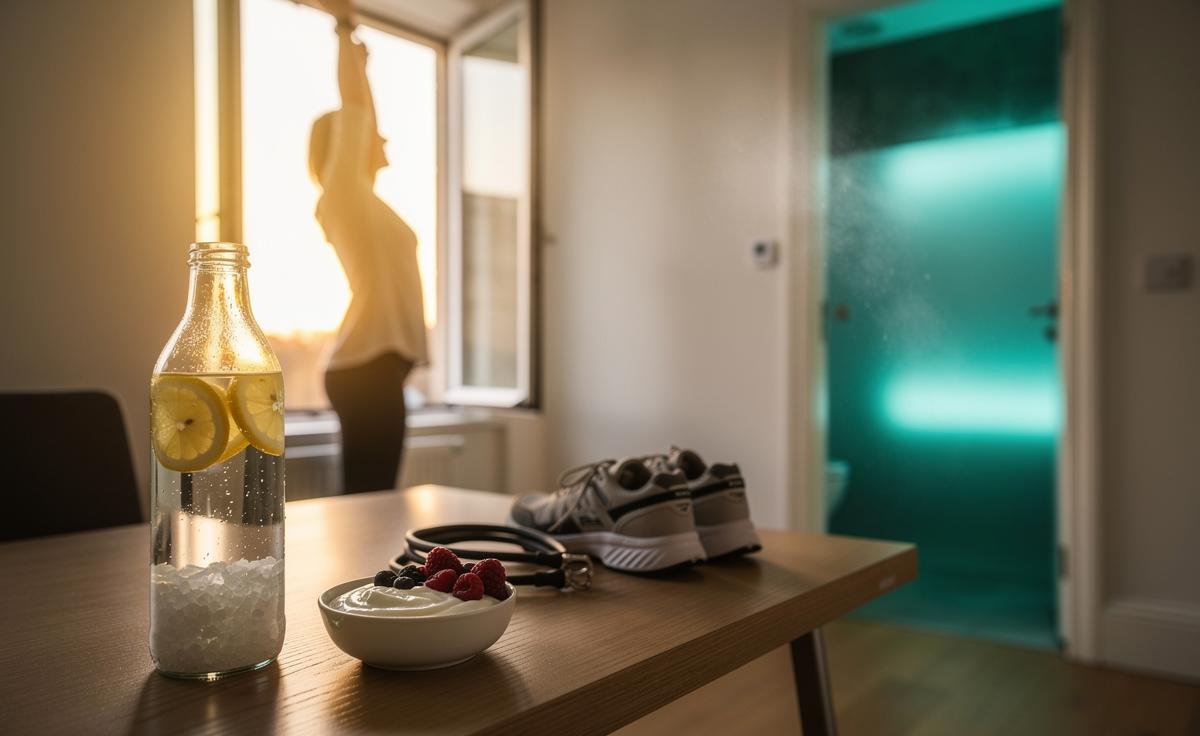
- 💧 Use smart hydration—water plus a pinch of salt and citrus—for DIY electrolytes that aid absorption, and pair it with box breathing to steady arousal before high-stakes tasks.
- 🥣 Stabilise energy with protein + fibre snacks (yoghurt and berries, hummus and carrots) and smart timing: front-load protein at breakfast; add a “focus snack” 60–90 minutes before demanding work.
- 🧭 Treat coffee as a choice, not a crutch; layer small, repeatable habits—light, movement, hydration, and breathing—to build steady, jitter-free energy throughout the day.
When the 3 p.m. slump prowls, many of us reach for another flat white. Yet there are unexpected, science-backed tricks that lift alertness without a single sip of coffee. As a UK journalist who has tested these on deadline-heavy days and long train journeys, I’ve found that the most reliable boosts hinge on rhythm, movement, and minerals, not stimulants. What follows are practical, low-friction strategies you can deploy anywhere—at your desk, in a meeting break, or before a school run. They’re not anti-coffee; they’re anti-dependence. If you’d like steadier energy, sharper focus, and fewer jitters, consider these methods your quiet power tools for the modern day.
Harness Morning Light and Cold Exposure
Think of your body as a circadian engine: it runs best when light sets the clock and temperature provides the spark. Step outside within an hour of waking—two to ten minutes of natural light, even on a cloudy British morning, primes your hormonal timetable and nudges cortisol to rise when it should. Follow with a brief cool rinse—thirty to sixty seconds at the end of a warm shower is enough—to stimulate noradrenaline and blood flow. This pairing often replaces the “first coffee” need by aligning biology rather than overriding it. Over a fortnight, many people report easier wake-ups and fewer afternoon dips.
On the features desk, I trialled this on a bleak February run of late copy deadlines. The shift was subtle but steady: clearer mornings, a calmer mid-day, and no evening crash. Crucially, I didn’t give up coffee; I just stopped relying on it. That’s the point. Morning light and cold cues are like calibrating a watch—you set it once daily, then everything else keeps better time. To reinforce the effect, keep daytime indoor lighting bright and dim lights after dusk to protect melatonin’s night-time rise.
Small habit, big return: two minutes outdoors can outperform a second espresso when the goal is reliable, non-caffeinated alertness. For tough weeks, add a short breathing drill after the cold rinse—three slow nasal breaths down to the belly—so your nervous system lands energised, not edgy. The combination makes meetings feel manageable rather than menacing.
Move in Micro-Doses: The 2-Minute Mobility Rule
Caffeine works fast because it affects brain chemistry; tiny bouts of movement work fast because they change blood flow, oxygen, and posture. Every 60–90 minutes, stand and perform a two-minute circuit: 20 seconds of brisk stair climbs or marching in place, 20 seconds of calf raises, 20 seconds of arm swings, and 60 seconds of hip and thoracic rotations. These “exercise snacks” feel trivial but can spark a noticeable lift in focus for 30–60 minutes without the cost of caffeine withdrawal later. They counteract the slump caused by slouched sitting, screen glare, and shallow breathing.
When I embedded with a regional newsroom in Leeds, we tested micro-mobility during the lunch-hour lull. Reporters said the movement “flushed out the fog” and made headline-writing faster. It’s not about “fitness”; it’s about circulation and wakefulness. If you’re shy about office movement, use the kettle as your cue: while it boils, perform heel-to-toe rocks and shoulder rolls. Add a nasal inhale for four counts, exhale for six; the longer exhale steadies the heart and sharpens attention.
Pros vs. Cons:
- Pros: Immediate alertness, no jitters, improved posture, zero equipment.
- Cons: Requires consistency; initial self-consciousness in open-plan spaces.
- Why coffee isn’t always better: Quick spike, but potential rebound dip; movement builds capacity rather than borrowing from tomorrow.
Fuel Without Jitters: Smart Hydration, Salt, and Snack Timing
Fatigue often masquerades as thirst or low blood sugar. Start your day with a tall glass of water, then maintain steady hydration. Add a pinch of salt and a squeeze of citrus to one bottle for a DIY electrolyte top-up; the sodium helps water reach where it’s needed. If you’re on a medical sodium restriction, skip the salt and consult your clinician. Pair this with strategic snacks: combine protein + fibre to avoid the post-scone slump—think Greek yoghurt with berries, hummus with carrots, or cheese with an apple. These stabilise glucose, keeping attention smooth over hours.
Timing matters. Front-load protein at breakfast to blunt cravings, then deploy a “focus snack” 60–90 minutes before the task that usually drains you—big client call, code review, parents’ evening. Slow-release fuel prevents panic grazing and the inevitable crash. If you love the ritual of a hot drink, brew rooibos or peppermint; both hydrate and soothe without caffeine. For a desk-friendly lift, try three rounds of “box breathing” (inhale 4, hold 4, exhale 4, hold 4). This steadies the nervous system so your mental gears can grip.
| Quick Booster | Time Cost | Why It Works | Best For |
|---|---|---|---|
| Salted Citrus Water | 1 minute | Electrolytes aid absorption | Late-morning droop |
| Protein + Fibre Snack | 2–3 minutes | Stable glucose curve | Long meetings, travel |
| Box Breathing | 2 minutes | Balances arousal | Pre-presentation calm |
In a culture that worships the coffee run, it’s oddly liberating to discover energy hiding in plain sight: morning light, micro-movement, hydration, and smart snacks. None of these demand monastic discipline; they ask for small, repeatable actions that compound. Think of coffee as a choice, not a crutch. Try one method this week, then layer a second. Observe how your afternoons change and which rituals fit your life—school commute, shift work, studio time. What unexpected, non-caffeinated trick will you test first, and how will you design your day to make it effortless to repeat?
Did you like it?4.6/5 (22)