In a nutshell
- 🌡️ Warmer 2026 winter shifts respiratory virus timing, keeps pathogens active, and increases indoor air pollution risk due to closed windows and humidity.
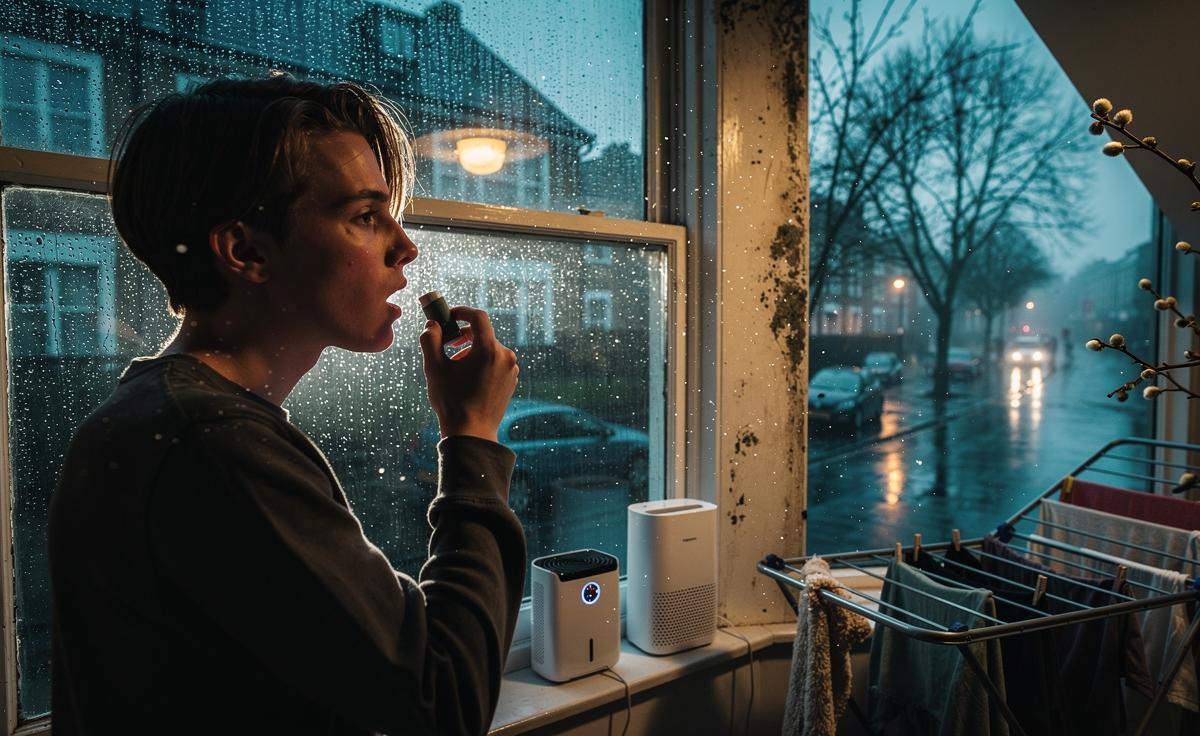
- 😷 Persistent damp fuels mould and dust mites, while stagnant air traps PM2.5/NO2, aggravating asthma, coughs and chest symptoms.
- 🧠 Light, not temperature, drives mood: milder months still bring seasonal affective symptoms and poorer sleep when bedrooms stay too warm and daylight is scarce.
- 🌿 Biological calendars shift: earlier pollen, longer mould seasons, more active ticks, and food safety concerns from warmer homes and overfilled fridges.
- 🛠️ Practical protections: ventilate daily, target 40–60% humidity, consider a HEPA filter, keep up with vaccinations and vitamin D, cool dark bedrooms, and document damp for landlord support.
The UK is staring down a 2026 winter that may feel oddly gentle—more drizzle than deep freeze, more damp days than dry snaps. That sounds pleasant until you tally the health knock-ons. Warmer winters shift the timing of respiratory infections, alter air quality, extend allergen seasons, and subtly fray sleep and mental health. Homes stay humid. Pathogens stay active. Our routines wobble. Warmer does not always mean safer; it often means different risks that creep in sideways. Here’s how a milder season can change what you breathe, how you rest, what triggers your symptoms—and how to build small, protective habits that still work when winter refuses to behave like winter.
Respiratory Risks in a Milder Cold
A soft winter can harden the odds for your lungs. When temperatures hover above freezing, some respiratory viruses circulate for longer, hopping between crowded trains and poorly ventilated offices. The timing shifts too: a later, flatter wave can catch people off guard. Meanwhile, damp, not frost, becomes the enemy. Persistent humidity feeds mould and dust mites, strong triggers for asthma and eczema. Short, still days can trap PM2.5 and NO2 near street level, especially in urban valleys, producing those murky, throat-scratching episodes that make even short walks feel heavy.
Indoors, we huddle without meaning to. Windows stay closed for comfort, yet cooking, candles, and cleaning products load the air with fine particles and irritant gases. Indoor air can become dirtier than the street outside. Add an unusual twist: with alder and hazel blooming earlier, some people report “winter hay fever” and overlapping pollen and virus symptoms—sneezing, coughing, fatigue—confusing the call on when to rest or test. The bottom line is simple and awkward: a warmer winter reduces icy slips, yes, but can raise the everyday burden on your airways unless you actively manage humidity, filtration, and ventilation.
Hidden Strain on Mental Health and Sleep
Warmth does not cancel winter’s grey. Short days persist, cloud decks linger, and routines still compress around screens and commutes. For some, that means persistent low mood and seasonal affective symptoms despite milder temperatures. Light, not cold, is the dominant seasonal signal for your brain. When evenings stay wet and windy, people exercise less, socialize less, and ruminate more. Financial stress doesn’t help: uncertain heating patterns, bills that seesaw, and damp damage in rental homes all weigh on anxiety. Clinicians also flag a quieter risk—prolonged colds and coughs that disrupt rhythm, eroding motivation and sleep quality week by week.
Night-time warmth can be another saboteur. Bedrooms that don’t cool below 18–20°C reduce sleep depth, especially during early cycles. Light pollution reflecting off low clouds brightens bedrooms; early-blooming birds begin their chorus weeks ahead of schedule. Small things, but cumulative. Strategies matter. Consistent bedtimes. A cool, dark room. Afternoon daylight breaks to anchor your circadian rhythm. And connection: a weekly walk with a friend, no matter the drizzle, outperforms many good intentions. For those prone to the winter slump, planning now—light therapy, activity scheduling, speaking to a GP if symptoms bite—can blunt the fog before it takes hold.
Shifting Allergens, Pests, and Food Safety
Milder winters stretch biological calendars. Earlier tree pollen, longer mould seasons, and a livelier community of house dust mites mean more background irritation for sensitive noses and chests. People with asthma or chronic sinus issues may notice more “almost-well” days. Outdoors, ticks remain active for more weeks, nudging the risk of Lyme disease in some rural and suburban greenspaces. Imported mosquitoes are being trapped at UK sites; established populations remain limited, but vigilance is rising as temperatures trend upward. It’s the creep of risk, not a sudden jump, that catches communities out.
Food safety also enters the frame. A slightly warmer home, combined with packed fridges during holiday periods, can raise fridge temperatures above safe levels, encouraging bacterial growth. Takeaway habits pick up during wet spells; delivery times stretch in storms. Check storage, reheat thoroughly, and keep raw and ready-to-eat foods apart. Below is a quick snapshot of what changes, why it matters, and who is most exposed.
| Trend | Mechanism | Health Effects | Most at Risk |
|---|---|---|---|
| Persistent damp | Mould and mite growth | Asthma, eczema, sinus flare-ups | Children, renters, those with asthma |
| Stagnant air | Pollutants trapped near ground | Cough, wheeze, chest tightness | Urban residents, older adults |
| Early pollen | Shifts in flowering | Rhinitis, “viral-like” symptoms | Allergy sufferers |
| Active ticks | Longer mild periods | Lyme disease risk | Walkers, gardeners |
Practical Steps to Stay Well
Good habits still work; they just need winter-specific tweaks. Think air, moisture, light, and routine. Ventilate for five to ten minutes twice daily, even in drizzle; use trickle vents; consider a HEPA filter in bedrooms or living rooms if you live near busy roads. Target indoor humidity at 40–60% with a hygrometer; use a dehumidifier in problem rooms and fix leaks early. Dry laundry in ventilated spaces or with extraction—damp clothes feed mould. Keep heating steady rather than yo-yoing the thermostat, which drives condensation on cold walls.
Support your body’s defences. Keep up with recommended vaccinations. Carry a well-fitting mask for crowded trains during spikes. Wash hands, yes, but also manage sleep: cool the bedroom, dim lights an hour before bed, and chase daylight at lunchtime. If you’re at risk of deficiency, discuss vitamin D supplementation (the NHS commonly advises a daily 10 microgram supplement in autumn and winter). For allergies, start preventer sprays early and use saline rinses to reduce exposure. Check your fridge sits at 5°C or below; avoid overfilling. And if damp or mould becomes persistent, document it and seek landlord or council support—your lungs are not a fair trade for a mild December.
Warm winters are not an anomaly anymore; they’re a pattern forming before our eyes, reshaping the season’s texture and the risks tucked inside it. With small, steady choices—cleaner air indoors, steadier sleep, earlier allergy planning—you can tilt the odds in your favour while we collectively adapt. The forecast may be milder, but your approach can be sharper. How will you adjust your home, habits, and health plan to meet a winter that’s losing its frost but gaining complexity?
Did you like it?4.5/5 (28)