In a nutshell
- 🔬 New research shows routine multivitamins offer limited protection against major diseases, and some high-dose nutrients can harm; targeted therapy beats blanket use.
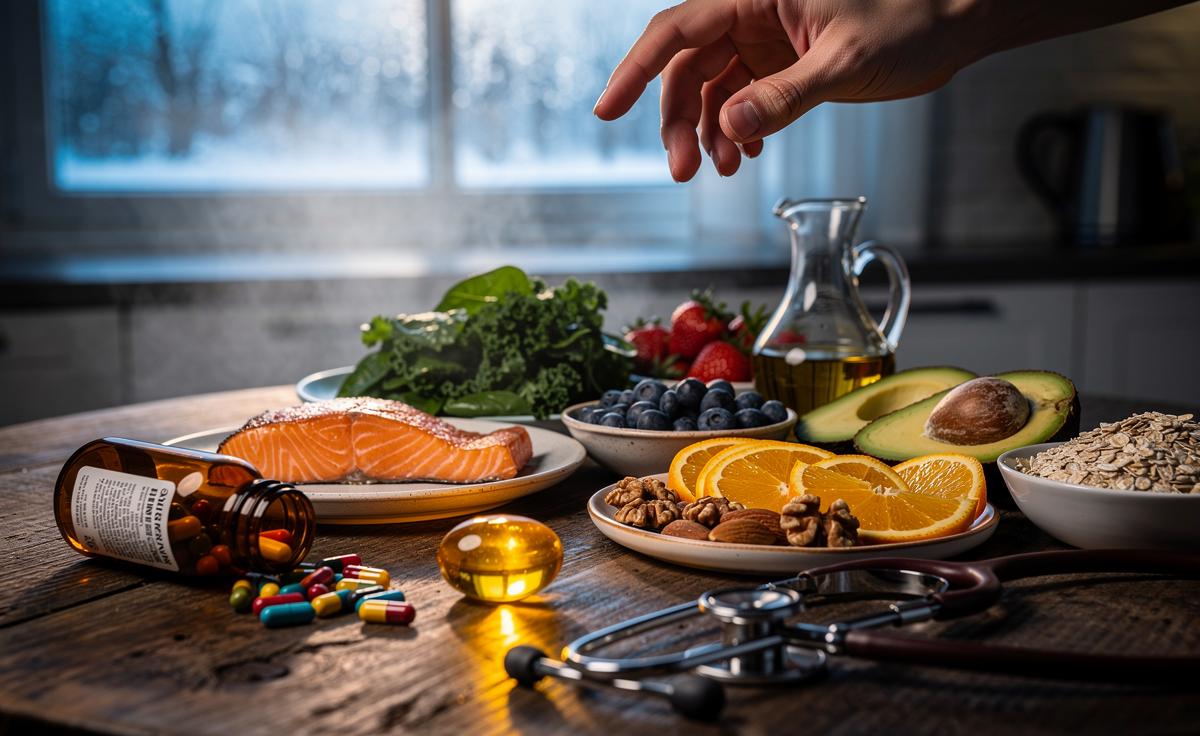
- 🥗 Prioritise a food-first approach: bioavailability, nutrient synergy, and the dietary matrix mean whole foods and patterns outperform pills, aided by the microbiome.
- 🌤️ Who actually needs supplements: UK vitamin D in autumn/winter, folic acid preconception/early pregnancy, B12 for vegans or malabsorption, and iron only for diagnosed anaemia—right dose, right person.
- ⚖️ Pros vs. cons: convenience and gap-filling versus risks like fat-soluble vitamin accumulation, drug interactions, and lab test interference, plus quality variability and opportunity cost.
- 🧭 Practical plan: build meals around whole foods, assess genuine risks, choose conservative doses, check interactions, time/pair nutrients smartly, and track outcomes—targeted, temporary, testable.
For years we’ve been told that a daily multivitamin is a simple insurance policy against modern diets. But a wave of new research suggests the story is messier—and far more interesting. Large reviews now show that for most healthy adults, pills rarely translate into longer life or fewer chronic diseases, while some nutrients can even backfire at high doses. As someone who’s interviewed NHS clinicians, supplement formulators, and consumers across the UK, I’ve seen the gap between promise and proof widen. The smart pivot isn’t to shun vitamins, but to rethink when, how, and why we use them—lifting our focus from the label to the evidence, and from quick fixes to dietary patterns.
What the Latest Evidence Really Says
In the past three years, several umbrella reviews and position statements have converged on a similar message: for the general population, routine supplementation offers limited protection against heart disease, cancer, or all-cause mortality. The US Preventive Services Task Force reaffirmed in 2022 that multivitamins, vitamin E, and beta-carotene do not prevent cardiovascular disease or cancer, and beta-carotene may increase lung cancer risk in smokers. UK-focused analyses echo the caution: the benefits of vitamin D for bone health are clearer in deficient groups, but vitamin D has not consistently reduced fractures or falls in well-nourished, community-dwelling adults. Meanwhile, high-dose vitamin E and A can be harmful.
When benefits do emerge, they’re precise: folic acid before and during early pregnancy cuts neural tube defects; B12 prevents deficiency in vegans or those with absorption issues; and iron treats documented iron-deficiency anaemia. But the wider pattern shows that supplements perform best as targeted therapy, not universal shields. Randomised controlled trials repeatedly find that more vitamins isn’t better—better is better, and “better” often means addressing diet quality, sun exposure, and specific clinical needs.
Food First: Bioavailability, Synergy, and the Matrix Effect
Whole foods deliver nutrients packaged with fibre, proteins, fats, and thousands of phytochemicals, creating a matrix effect that pills can’t fully mimic. That matrix can alter bioavailability—how much you absorb—and shape downstream outcomes via the gut microbiome. Consider iron: absorption from plants improves with vitamin C–rich foods, while calcium taken simultaneously can blunt uptake. Or think of fat-soluble vitamins A, D, E, and K: they’re better absorbed with dietary fats, reminding us that context matters as much as content.
In interviews with hospital dietitians, I’ve heard the same refrain: diets anchored in vegetables, pulses, whole grains, nuts, fish, and fermented dairy yield wider, steadier gains than single-nutrient bets. Polyphenols in berries, for example, modulate endothelial function, while the fibre in oats influences cholesterol metabolism—benefits that aren’t neatly bottleable. New cohort data suggests dietary patterns predict outcomes far better than supplement lists. That doesn’t make supplements useless; it simply reframes them as tools to bridge genuine gaps, not shortcuts that replace meals. When you prioritise food, supplements become strategic, not habitual.
Who Actually Needs Supplements—and Who Doesn’t
Some groups do benefit—sometimes decisively. In the UK, winter sun is weak, and skin synthesis of vitamin D drops; public health guidance recommends daily vitamin D for many people, especially in autumn and winter. Pregnant individuals need folic acid; vegans need reliable B12; and those with malabsorption, restrictive diets, or certain medications may require targeted support. The key is to match the right nutrient to the right person at the right dose.
| Nutrient | Who in the UK | Typical Guidance | Watch-outs |
|---|---|---|---|
| Vitamin D (D3) | Most adults in autumn/winter; those indoors or with limited sun exposure year-round | 10 µg (400 IU) daily commonly advised | Avoid megadoses; fat-soluble accumulation risk |
| Folic Acid | Pregnancy planning and first trimester | 400 µg daily (higher if advised for risk factors) | Start before conception for best effect |
| Vitamin B12 | Vegans, some older adults, and those with absorption issues | Supplement or fortified foods regularly | Check medications and B12 status if symptomatic |
| Iron | Diagnosed iron-deficiency anaemia | Only under clinical guidance | GI side-effects; interactions; need ferritin monitoring |
Outside these cases, blanket supplementation often delivers little measurable benefit. A food-first plan, targeted labs when indicated, and clinician-guided dosing for specific deficiencies provide a safer, more effective path than self-directed megadoses.
Pros vs. Cons: The Hidden Costs of Pill-First Thinking
There are legitimate upsides: supplements can be convenient, standardised, and relatively inexpensive per dose, and they help close verified gaps. But the downsides deserve equal airtime. High-dose fat-soluble vitamins can accumulate and harm; vitamin K interferes with warfarin; and biotin can skew lab results, including thyroid and troponin tests. False reassurance is another cost—people upgrade their pill organiser but not their lunchbox.
There’s also economics and quality control. UK regulation classifies vitamins as foods, not medicines, which means variable quality and potency across brands. Independent testing isn’t universal. Add environmental considerations—packaging, transport, and overproduction—and the “cheap” choice grows costly. Finally, opportunity cost matters: money spent on broad-spectrum pills might be better invested in seafood, legumes, seasonal produce, and fortified staples that lift multiple nutrients at once. Pros exist, but they’re strongest when supplements are precise, time-bound, and clinically reasoned.
Rethinking Your Daily Routine: A Practical, Evidence-Led Plan
Start with your plate. Build meals around vegetables, whole grains, pulses, nuts, seeds, and oily fish; use fortified plant milks if dairy-free; and mind protein at each meal. Next, identify your genuine risks: limited sunlight, vegan diet, pregnancy planning, or diagnosed deficiencies. If a supplement is warranted, choose conservative doses that align with public health guidance rather than “more is better”.
Quality matters: look for transparent labels, batch numbers, and third-party testing; avoid proprietary blends that obscure amounts. Take vitamin D3 with a meal containing fat; pair non-haem iron with vitamin C and away from tea/coffee; separate calcium from iron. Review your medicines for interactions and keep your GP informed. Retest only when clinically appropriate; stop a supplement once the indication ends. Finally, track outcomes that matter—energy, sleep, lab markers, injury risk—rather than chasing abstract “detox” claims. The goal is targeted, temporary, and testable use, not lifelong pill dependency.
Rethinking vitamins isn’t about scepticism for its own sake; it’s about precision. The evidence now nudges us towards food-first foundations, with smart, situational supplementation as the exception that proves the rule. In a cost-of-living era, that shift is not only healthier but savvier. What would change for you if you treated supplements like tools—chosen for a job, used correctly, and put away when done—rather than a daily ritual? And if you started tomorrow, which single, evidence-backed tweak would you make first?
Did you like it?4.4/5 (24)